
 USD
USD GBP
GBP
 EUR
EUR
















Author: Peng Limin
Institution: Research Institute of Wood Industry, Chinese Academy of Forestry
Source: China Wood-based Panels, Issue 5, 2018
Introduction
This paper introduces the raw material requirements, production process, and hot-pressing technology for the preparation of impregnated paper-faced plywood and blockboard in my country at the present stage, and analyzes the causes of product defects.
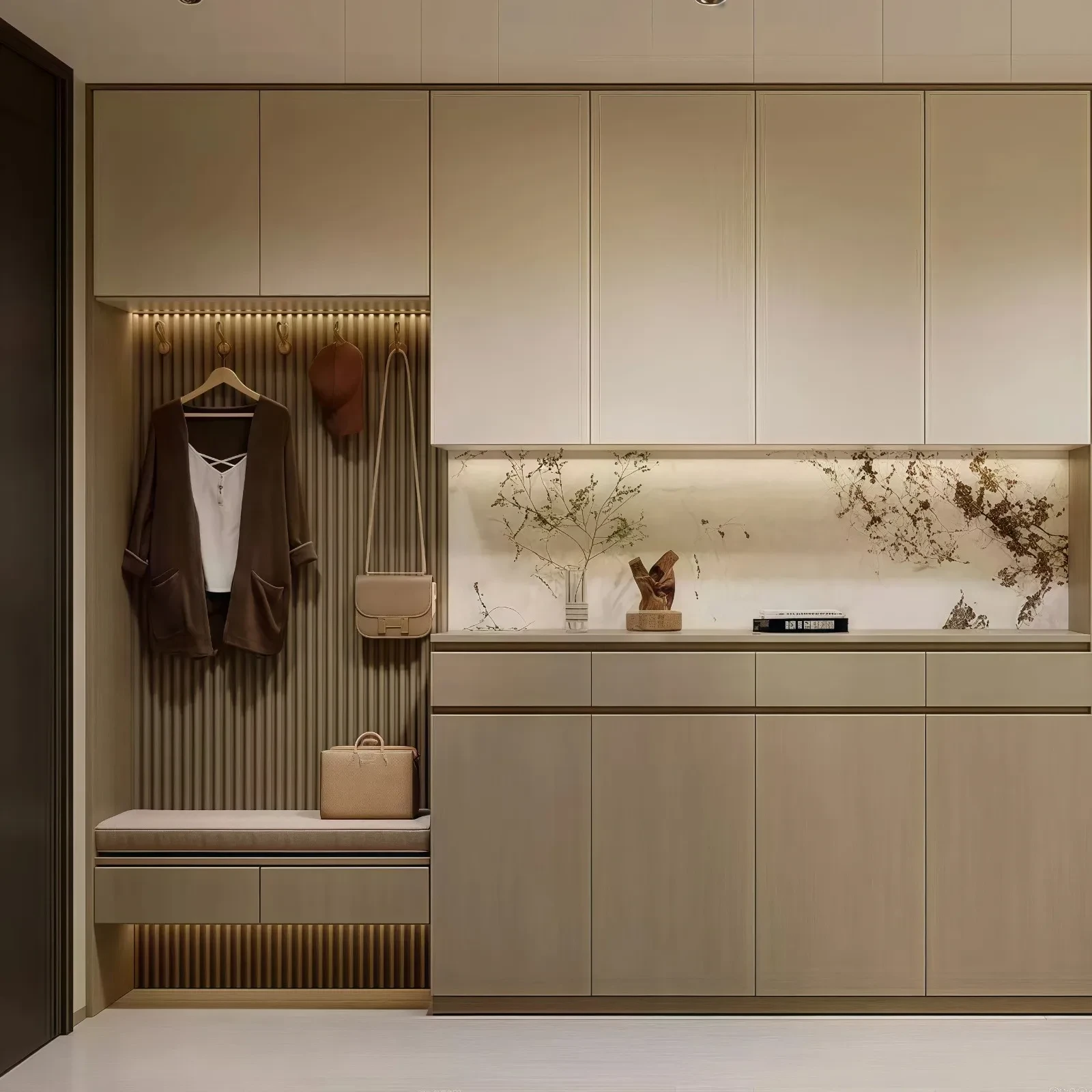
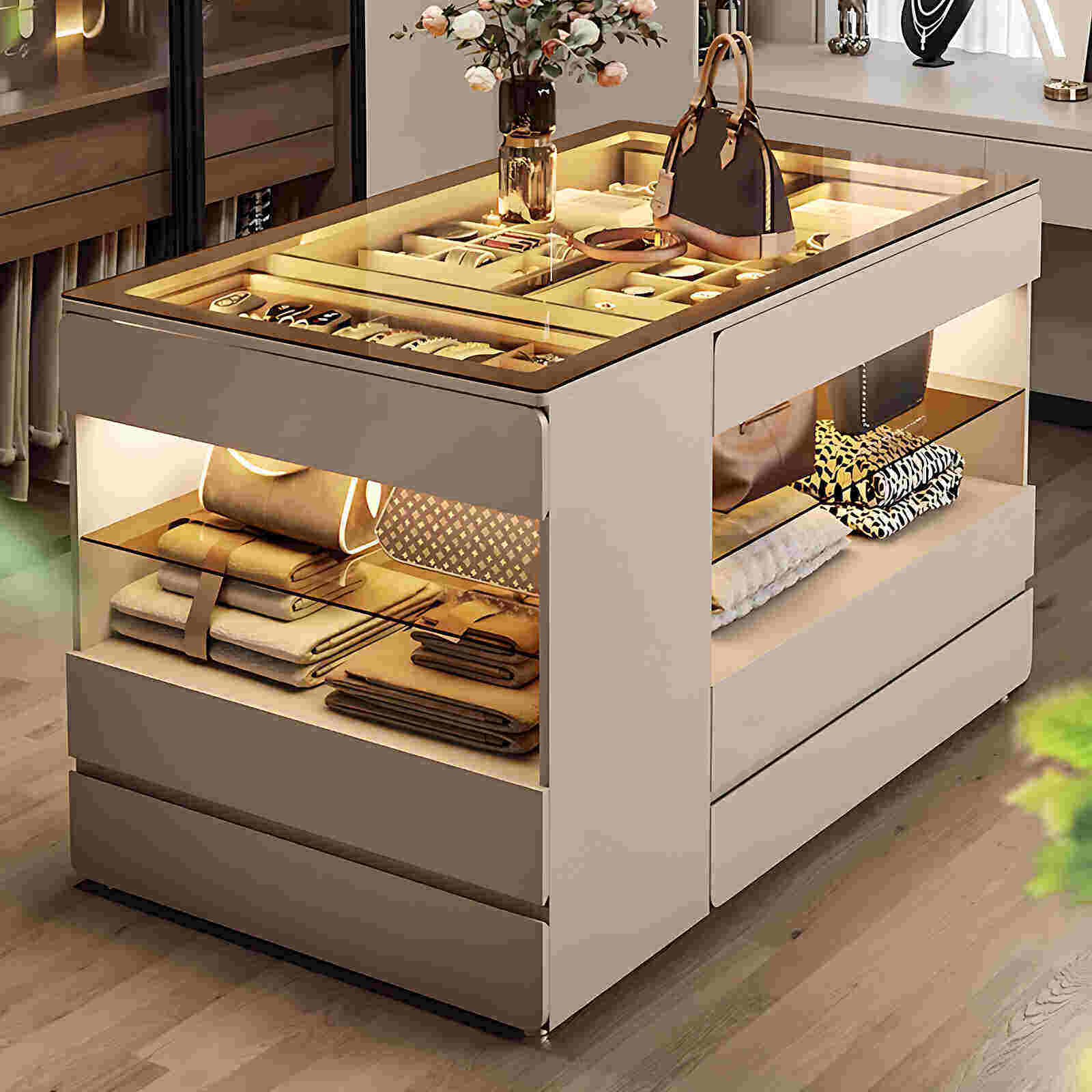
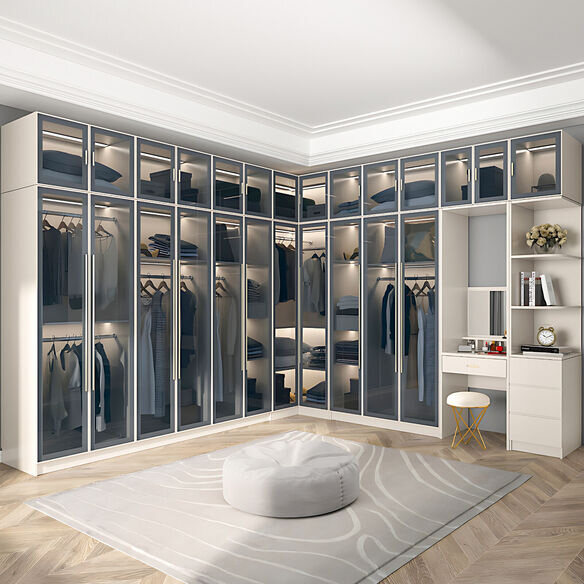
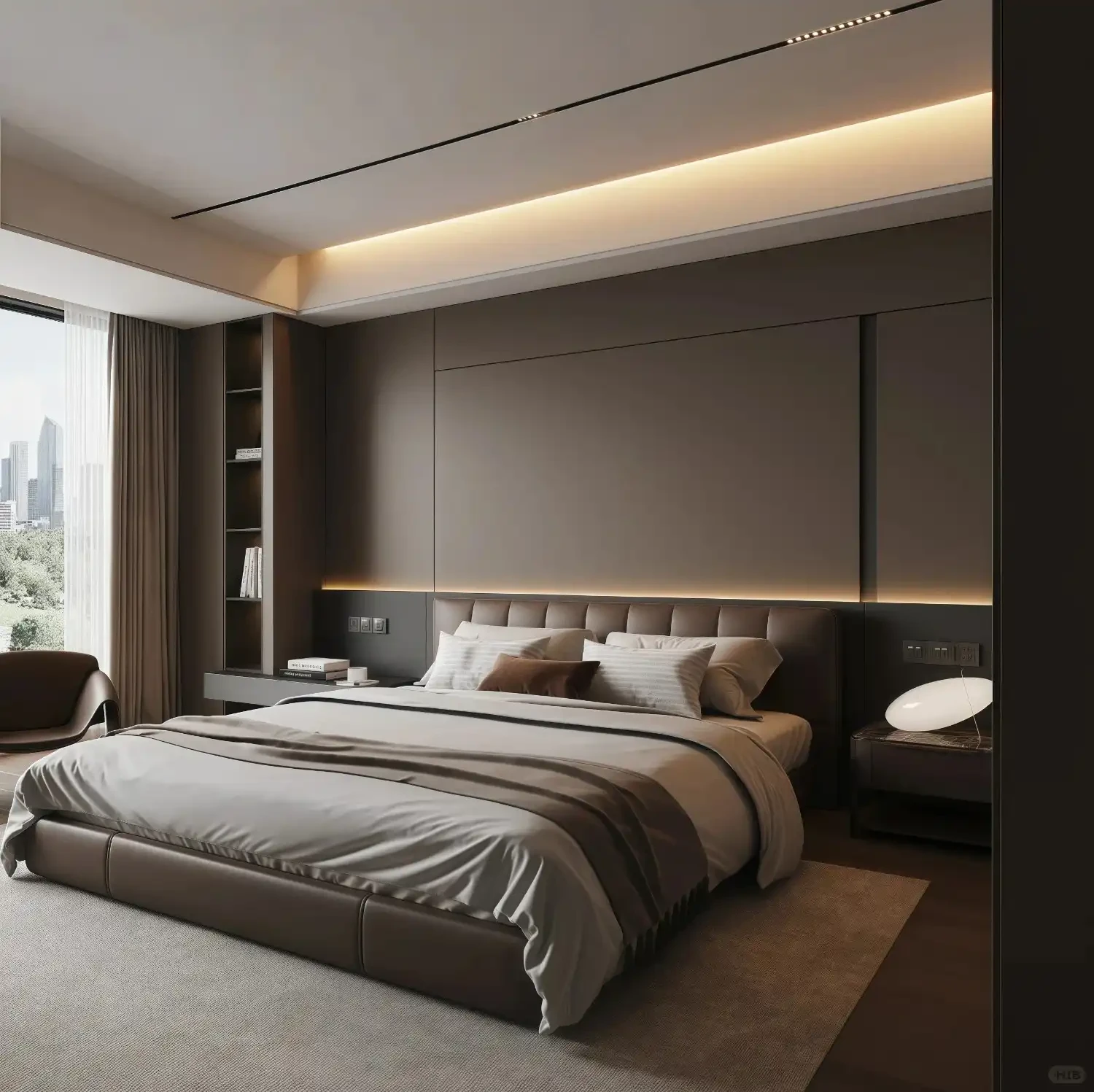
Impregnated paper-faced plywood and blockboard (commonly known as eco-boards in the market) are a new type of decorative board developed from impregnated paper-faced engineered wood panels. Around 2005, domestic enterprises, based on the raw materials and processing technology of impregnated paper-faced engineered wood panels, innovated and improved to create a type of board with plywood and blockboard as the base material and impregnated paper as the facing material. This product has high dimensional stability, good decorative properties, and environmental friendliness, and is therefore increasingly popular with consumers, driving the impregnated paper-faced plywood and blockboard industry towards maturity and growth. Although the eco-board market is currently developing well and has a wide variety of products, its development time is shorter than that of traditional engineered wood panels, and product quality varies considerably.
The Chinese Academy of Forestry's Wood Industry Research Institute, in conjunction with relevant domestic testing institutions and leading enterprises producing impregnated paper-faced plywood and blockboard, formulated GB/T 34722-2017 "Impregnated Paper-Faceted Plywood and Blockboard," which will be implemented on May 1, 2018. During the standard's development, extensive factory and market research revealed several quality defects in eco-boards. This paper summarizes these defects and outlines specific requirements for substrates and production processes, aiming to provide guidance for eco-board manufacturers and consumers, thereby meeting national standards and consumer demands, and promoting the healthy and sustainable development of this product.
1. Requirements for raw materials used in impregnated paper-faced plywood and blockboard
Impregnated paper-faced plywood and blockboard mainly consist of multi-layer plywood or blockboard substrate, veneer (veneer, engineered wood) and impregnated paper.
1.1 Requirements for Substrate
The plywood and blockboard substrates should meet the requirements of GB/T 9846-2015 "Ordinary Plywood" and GB/T 5849-2006 "Blockboard" respectively. The following aspects should be noted:
1) The substrate thickness should be uniform and the board surface should be flat and smooth; otherwise, sanding should be performed.
2) The appearance quality of both sides of the substrate should meet the requirements of Grade I in GB/T 9846-2015, and the bonding strength should meet the requirements of Class II plywood;
3) The moisture content of the substrate is an important indicator. If the moisture content of the substrate is too low, it will lead to a decrease in the bonding strength of the surface of the impregnated paper-faced plywood and blockboard and defects such as surface dry spots. If the moisture content of the substrate is too high, it is easy to produce defects such as blistering, delamination and wet spots during hot pressing. Therefore, the moisture content should be controlled between 6% and 16%.
4) The substrate surface should ideally be a single sheet of veneer. If spliced boards are used, the joints must be tight; otherwise, joint defects will be reflected on the surface of impregnated paper-faced plywood and blockboard.
1.2 Requirements for thin plates
Thin veneers are placed between the substrate and the impregnated paper, serving to conceal defects to some extent. They generally include veneers and reconstituted decorative veneers (commonly known as engineered wood). Requirements for thin veneers: 1) Uniform thickness; 2) Minimal surface defects and consistent color; 3) Seamless construction; 4) Moisture content between 6% and 16%.
1.3 Requirements for Impregnated Paper
Generally speaking, most manufacturers, considering the commercial viability and applications of impregnated paper, adopt a two-stage impregnation method. This involves impregnating the decorative paper with urea-formaldehyde resin for the first time, drying it, and then spraying a melamine resin coating onto the surface.
The physicochemical properties of impregnated paper, such as volatile matter content, pre-curing degree, and formaldehyde release, directly affect the quality of eco-boards. Low volatile matter content in impregnated paper easily leads to dried flowers; insufficient impregnation easily results in surface porosity and poor abrasion resistance; high volatile matter content easily leads to uneven surface gloss; poor adhesive flow and sealing properties in impregnated paper easily result in poor surface stain resistance and poor water vapor resistance.
2. Production process of impregnated paper-faced plywood and blockboard
2.1 Direct-Adhesion Lamination Production Process
2.2 Lamination Method Production Process