
 USD
USD GBP
GBP
 EUR
EUR
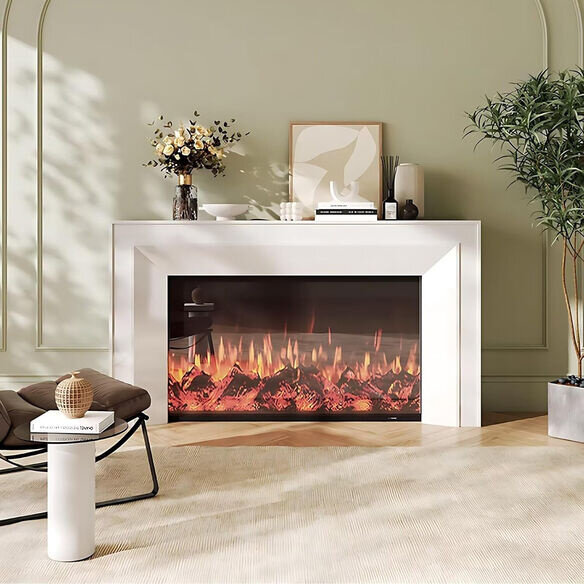
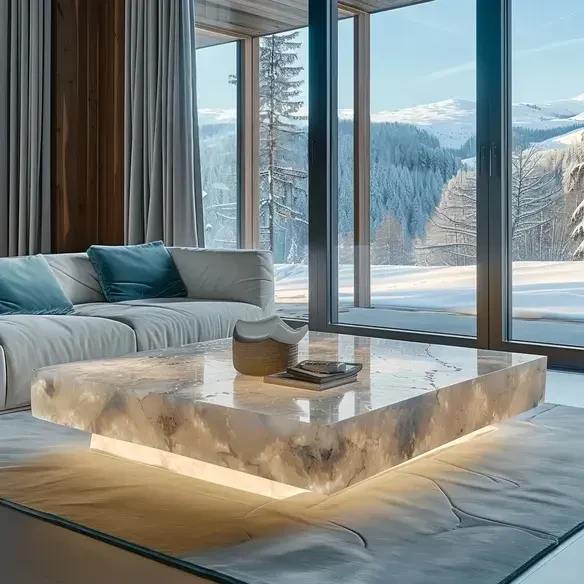
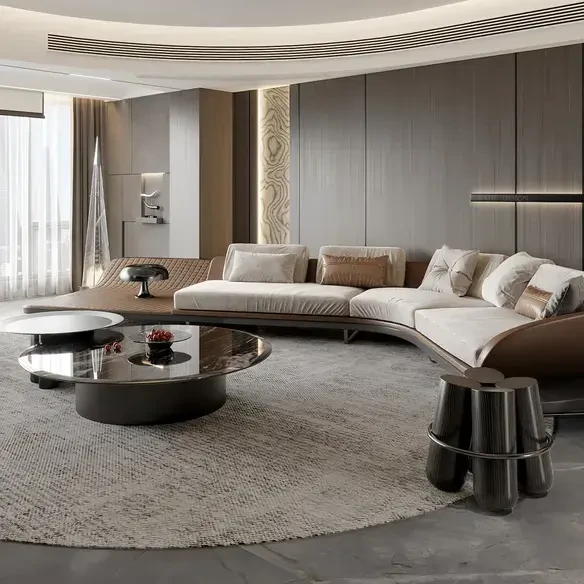
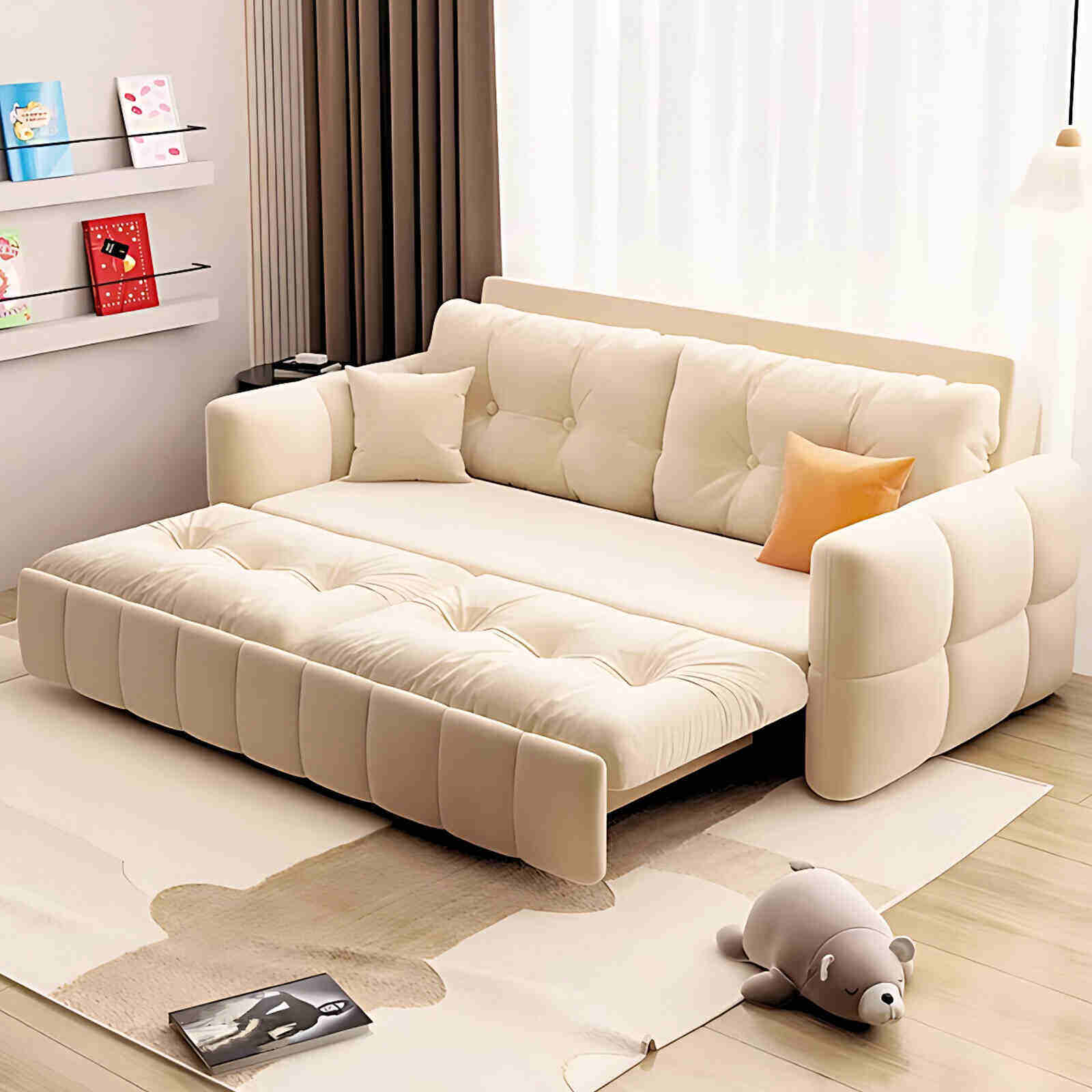
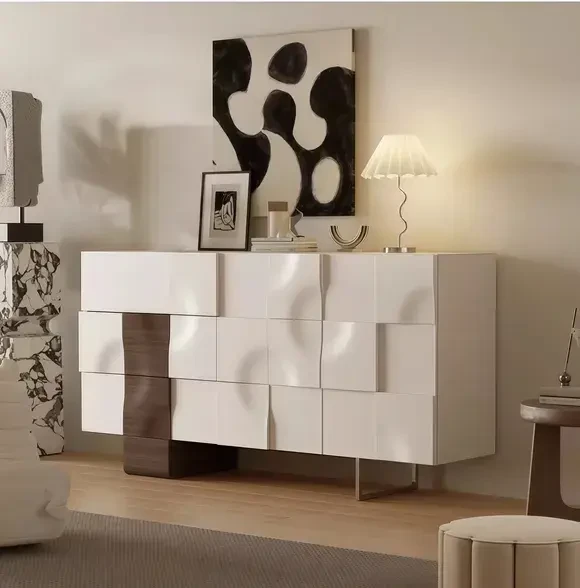
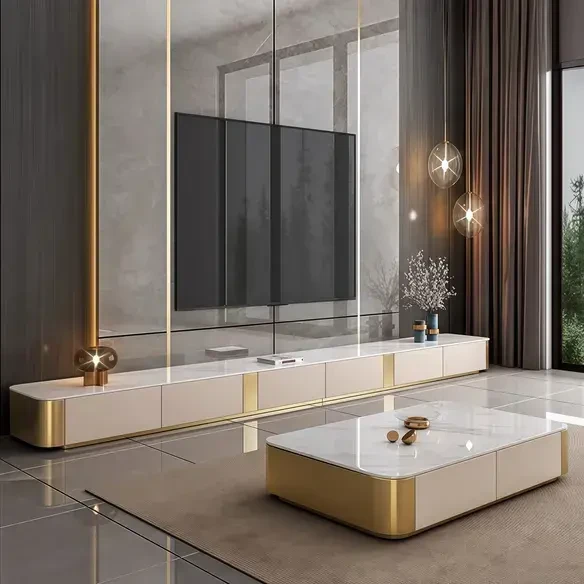
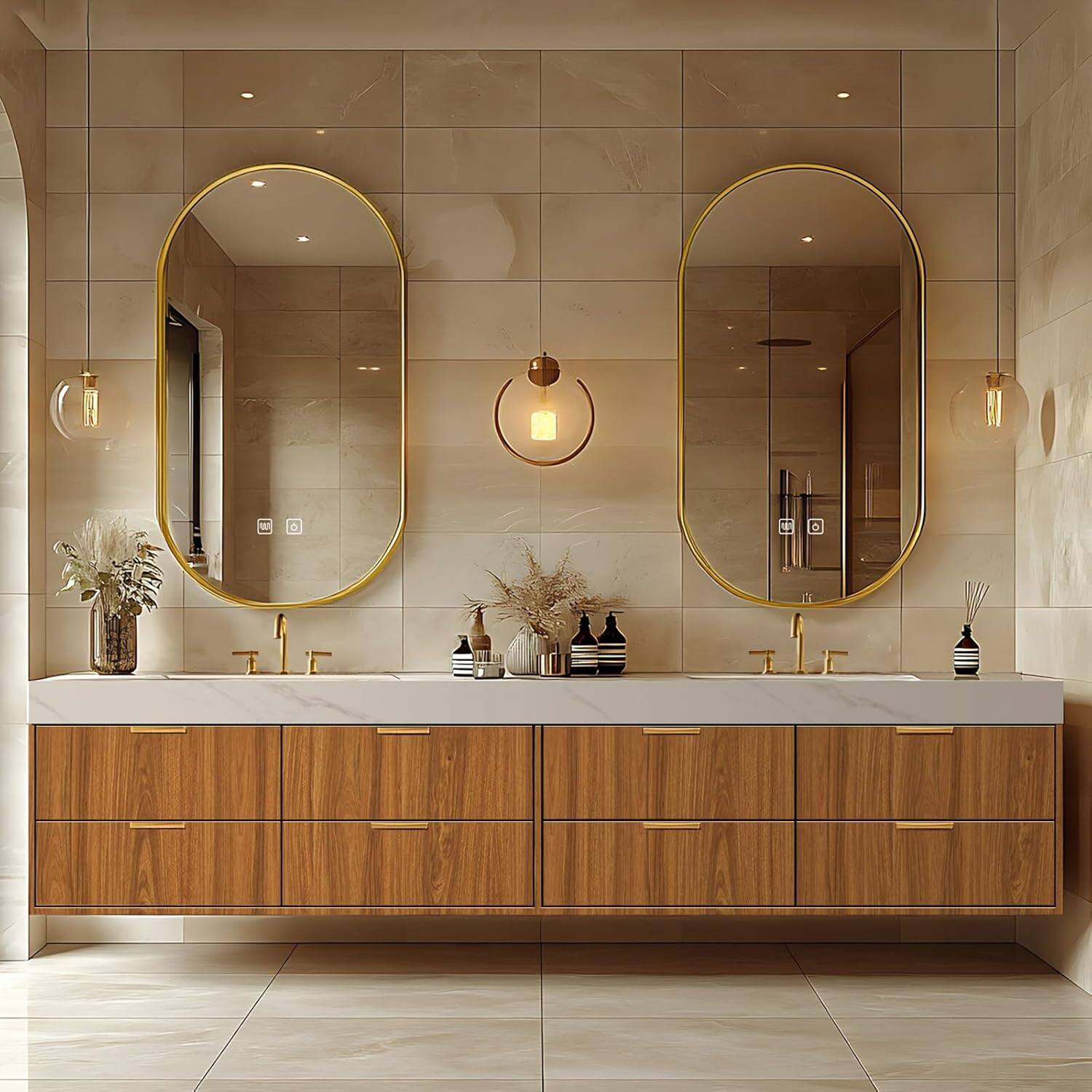
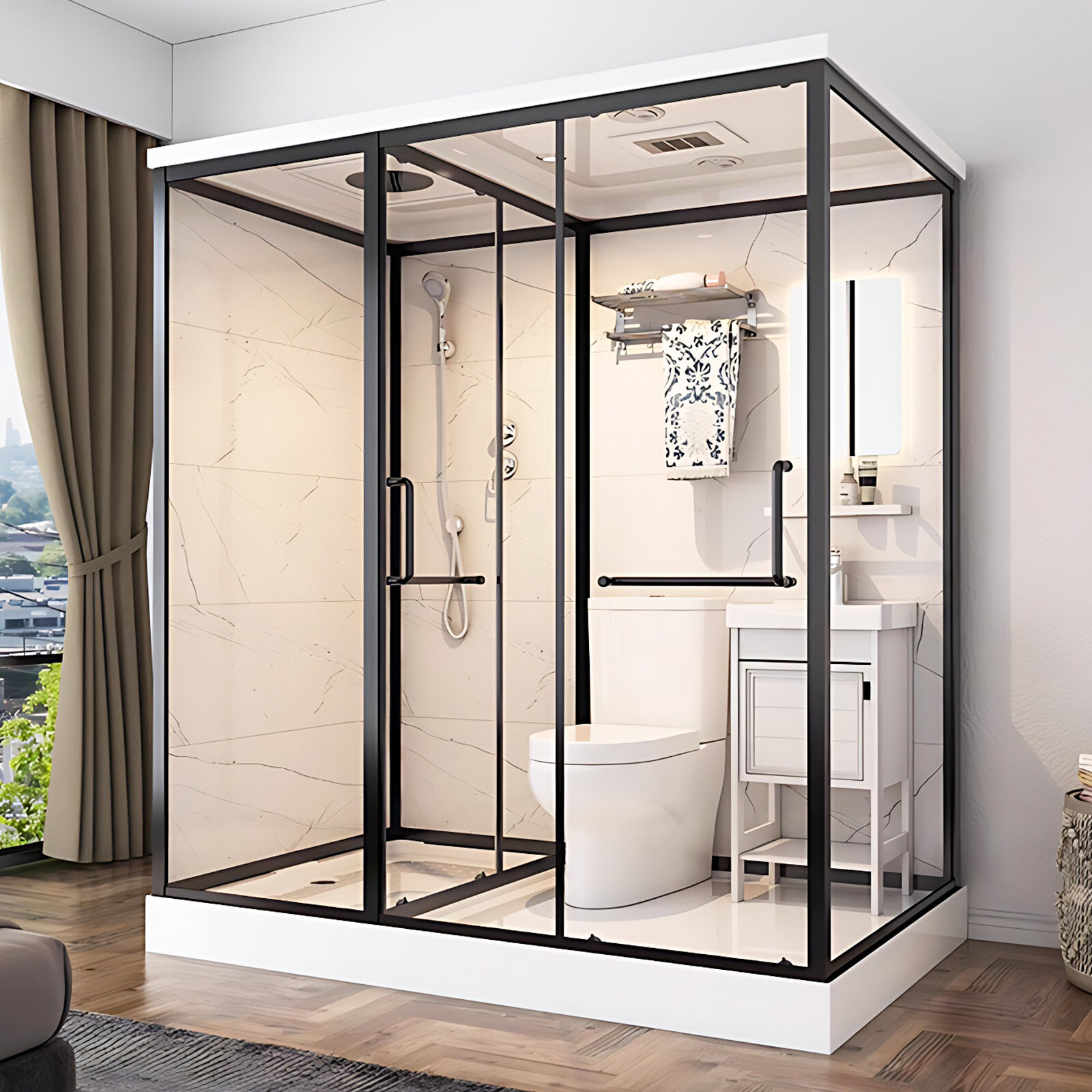
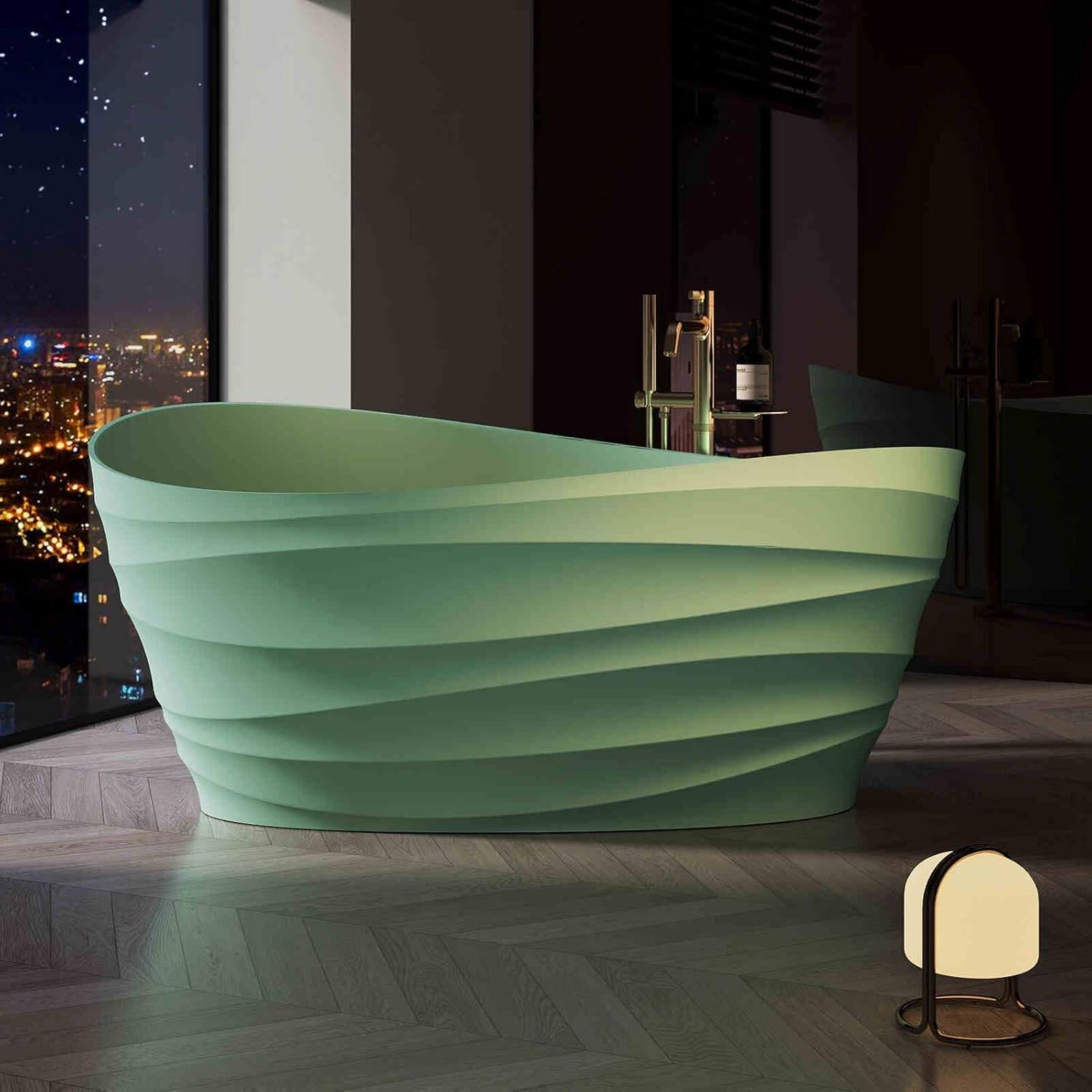
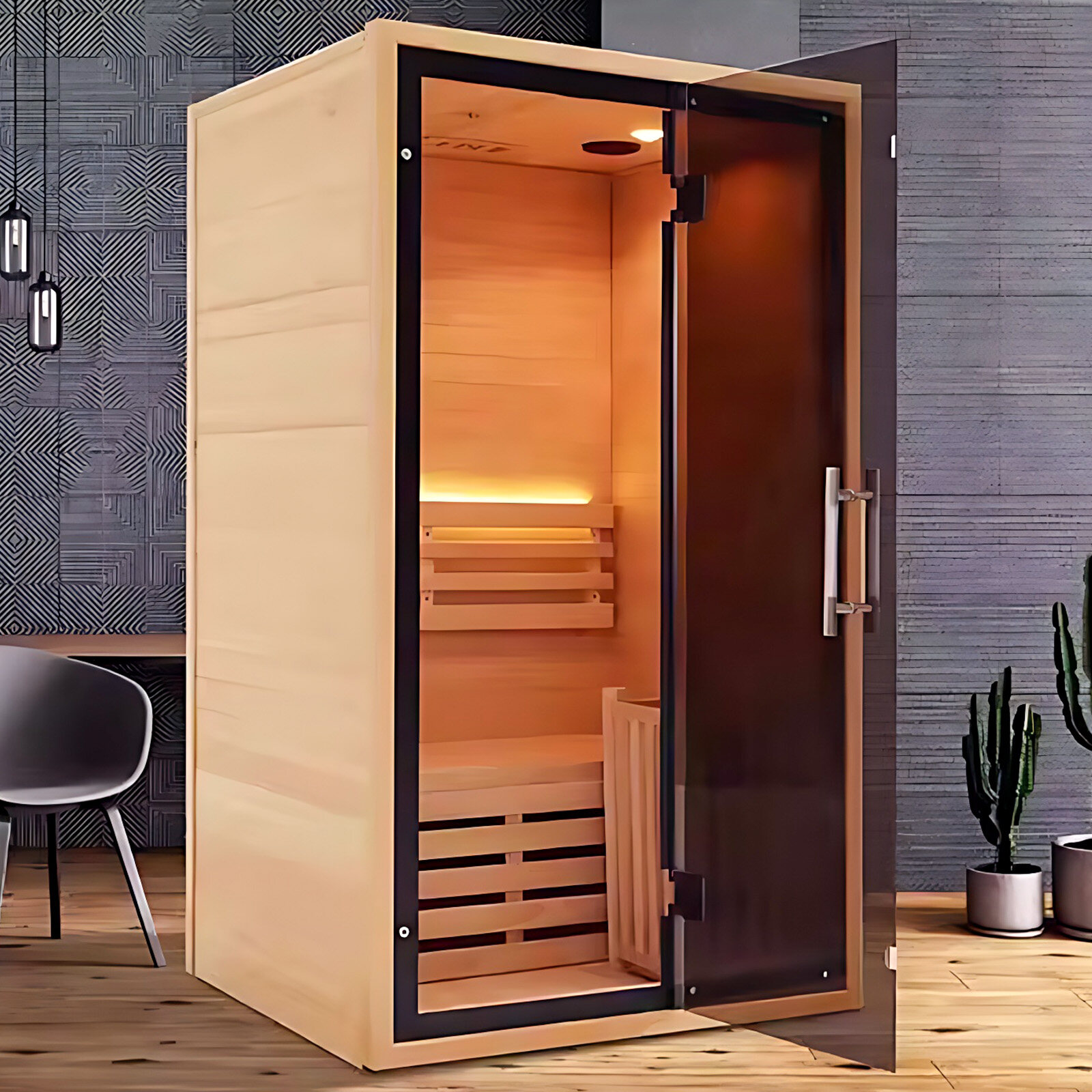
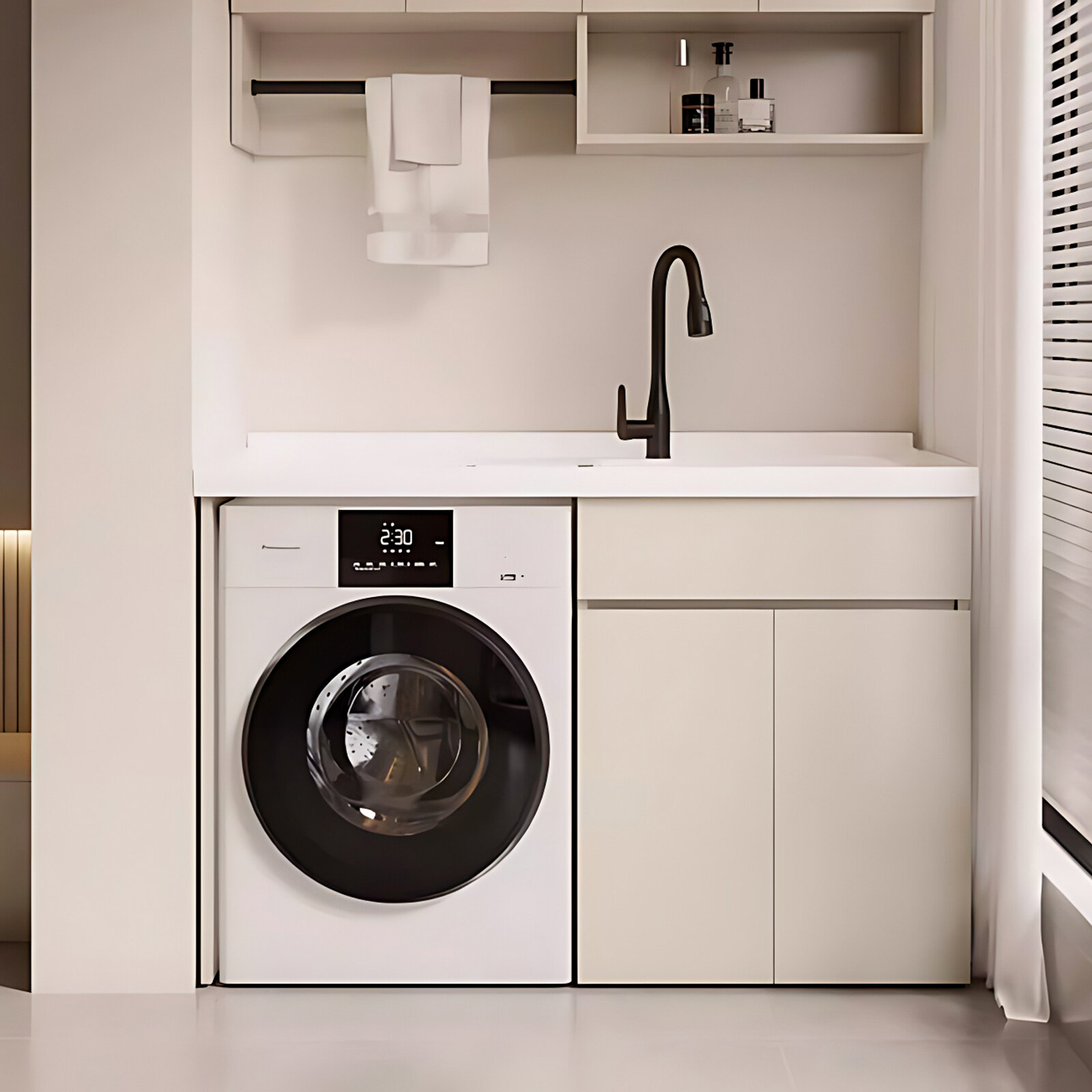
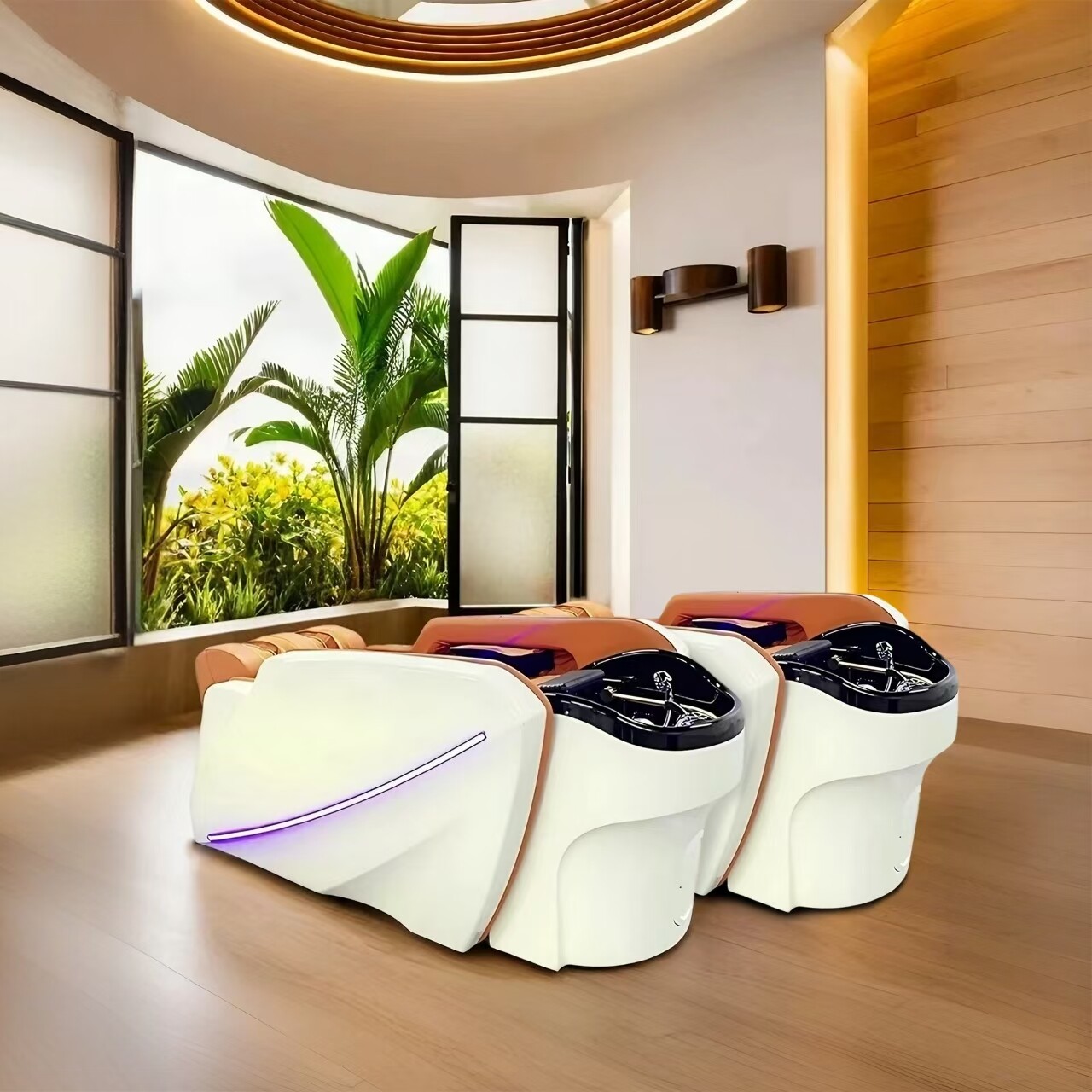
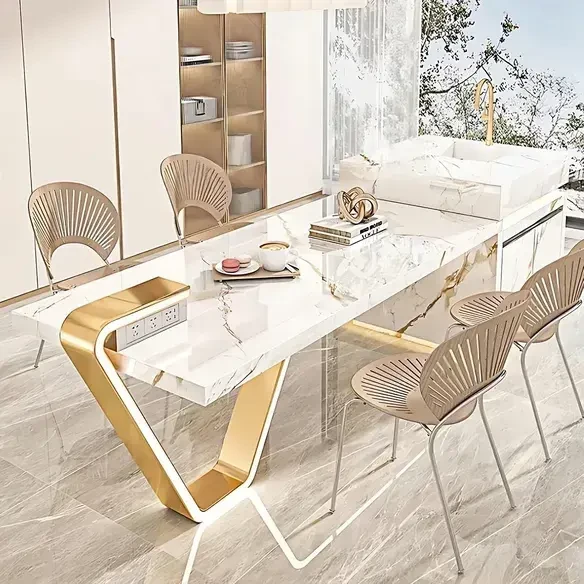
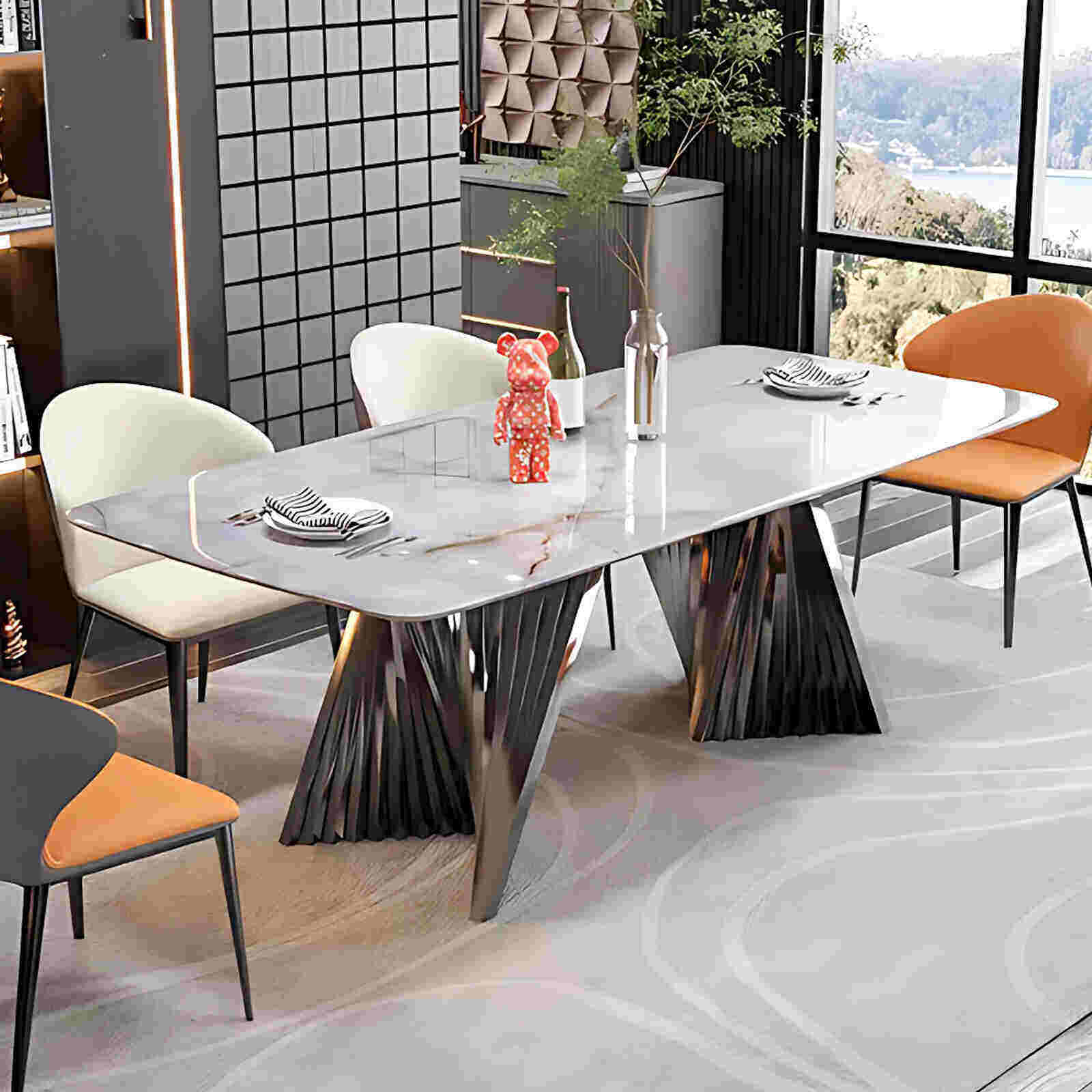
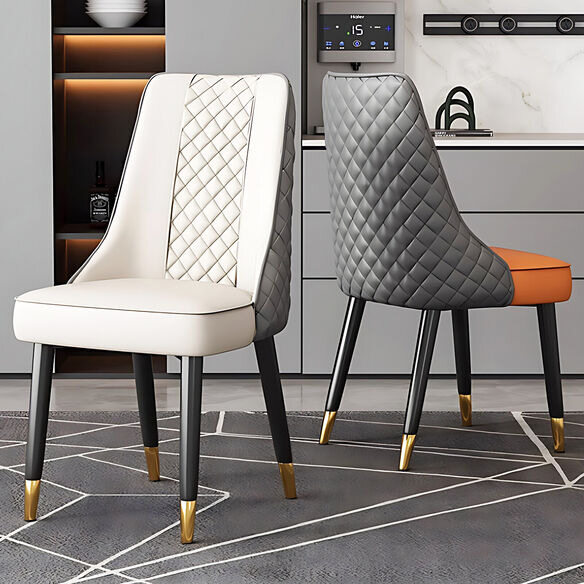
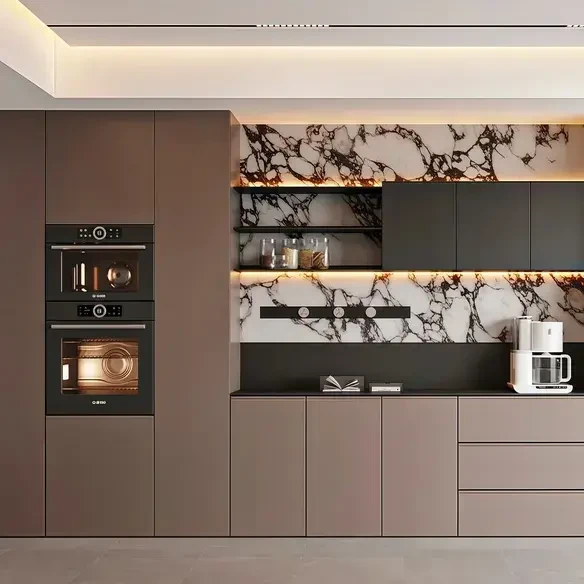
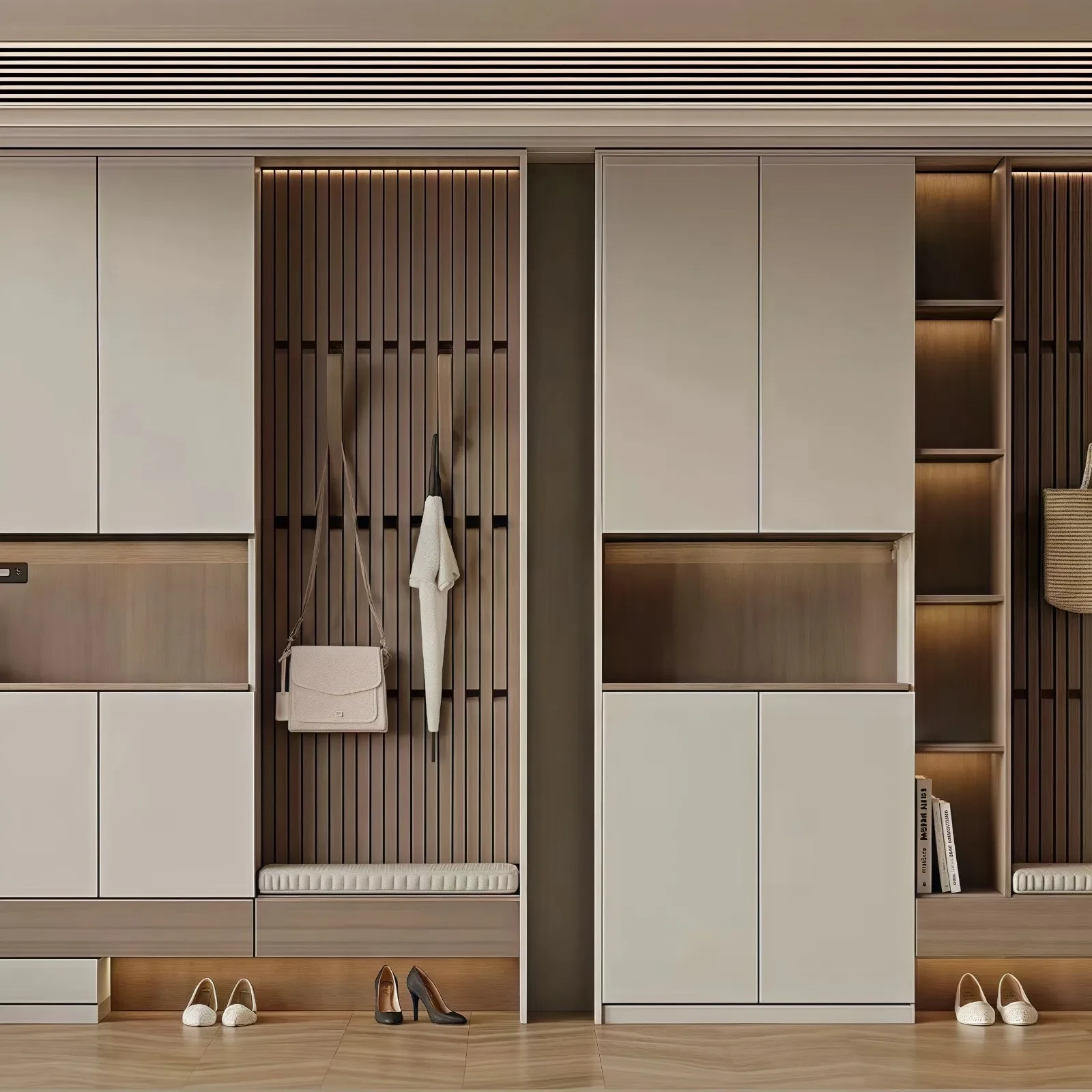
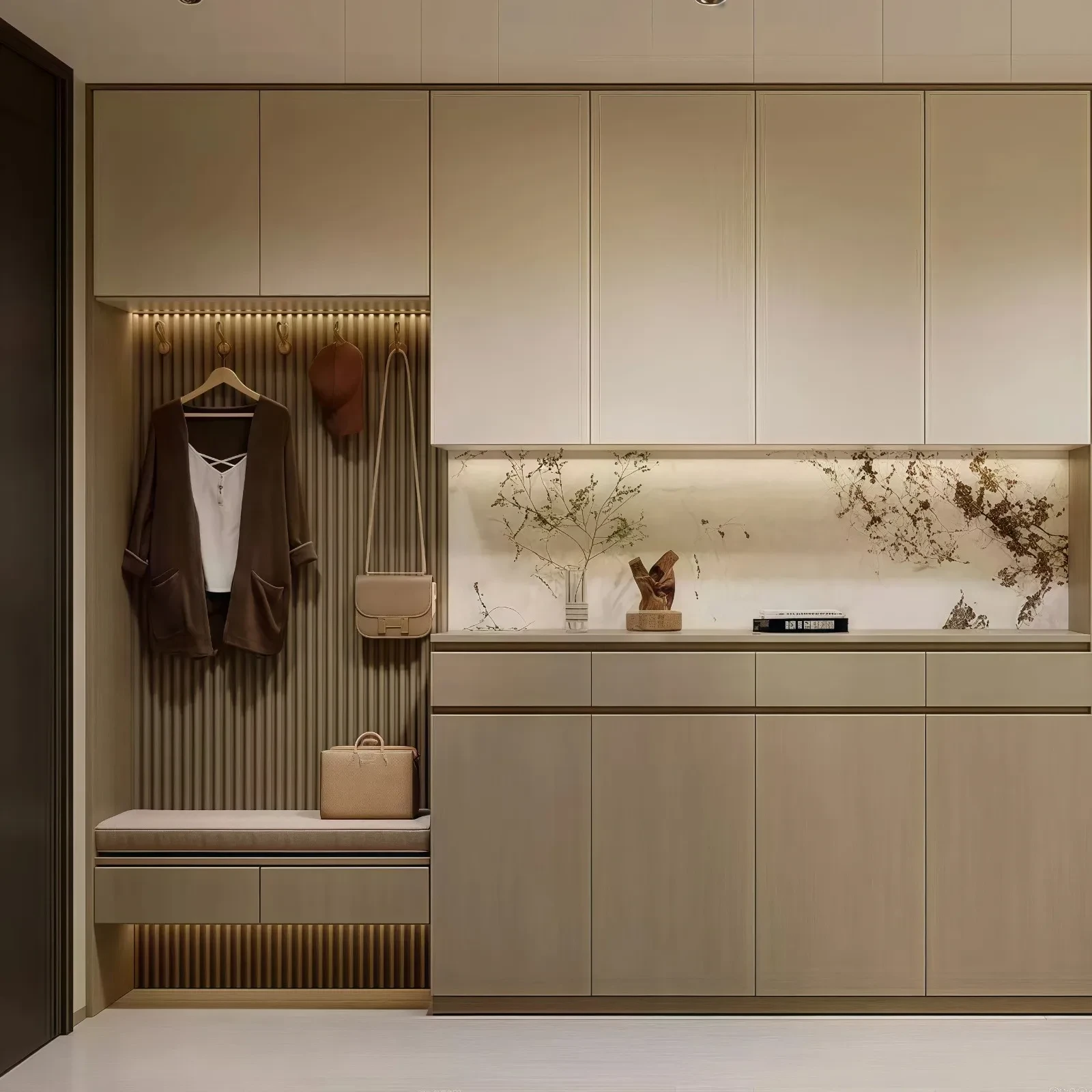
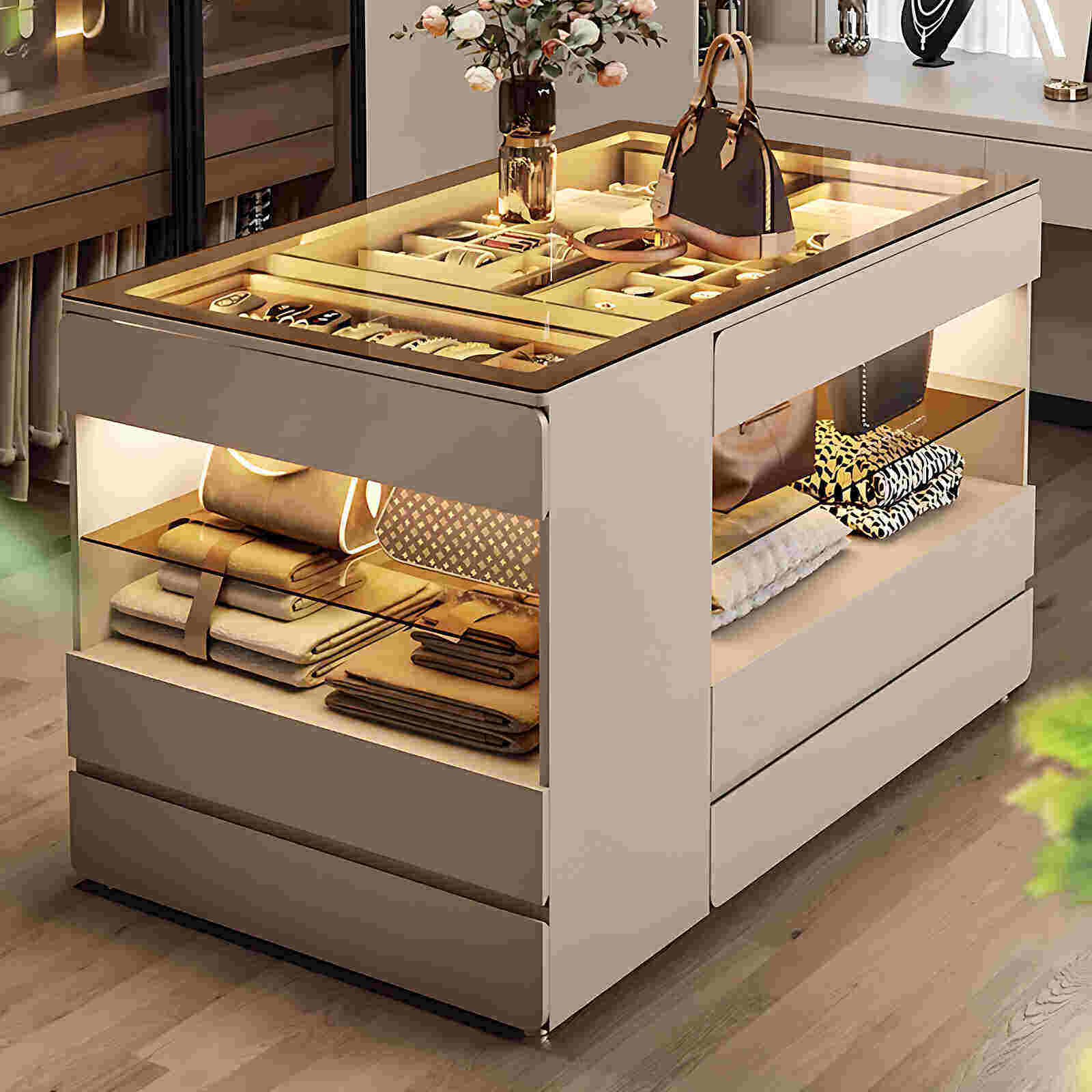
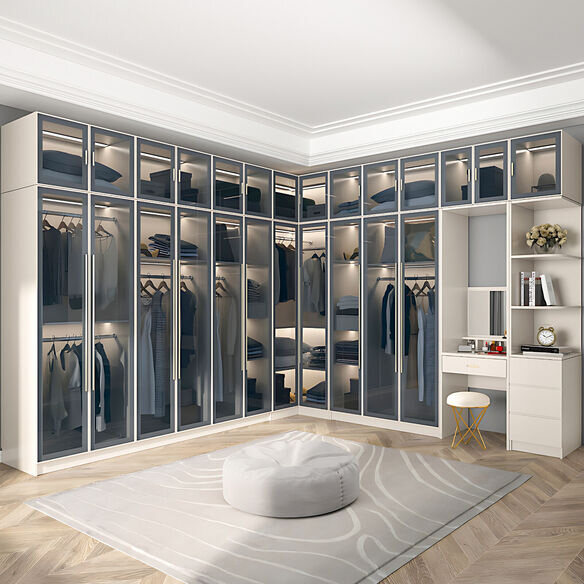
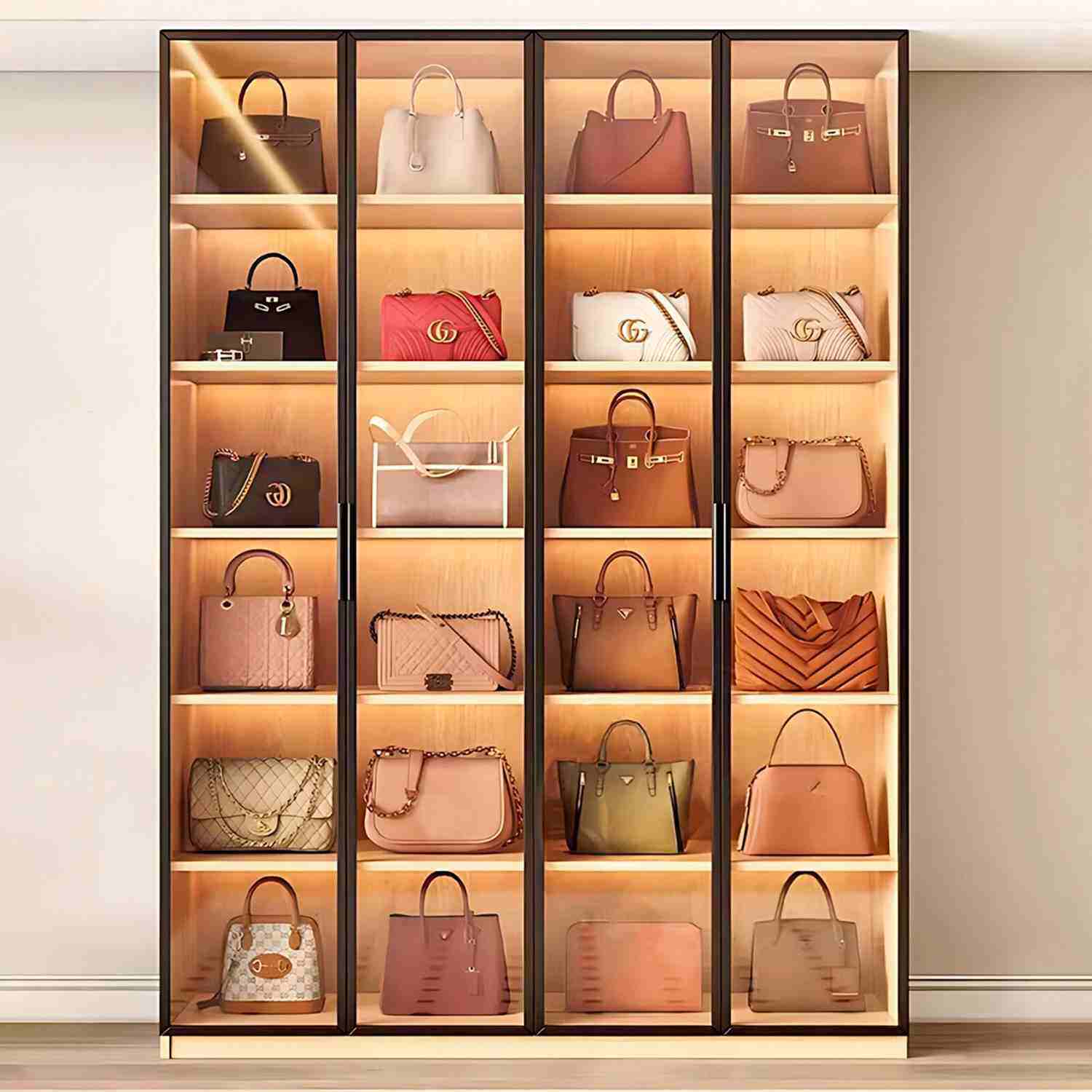
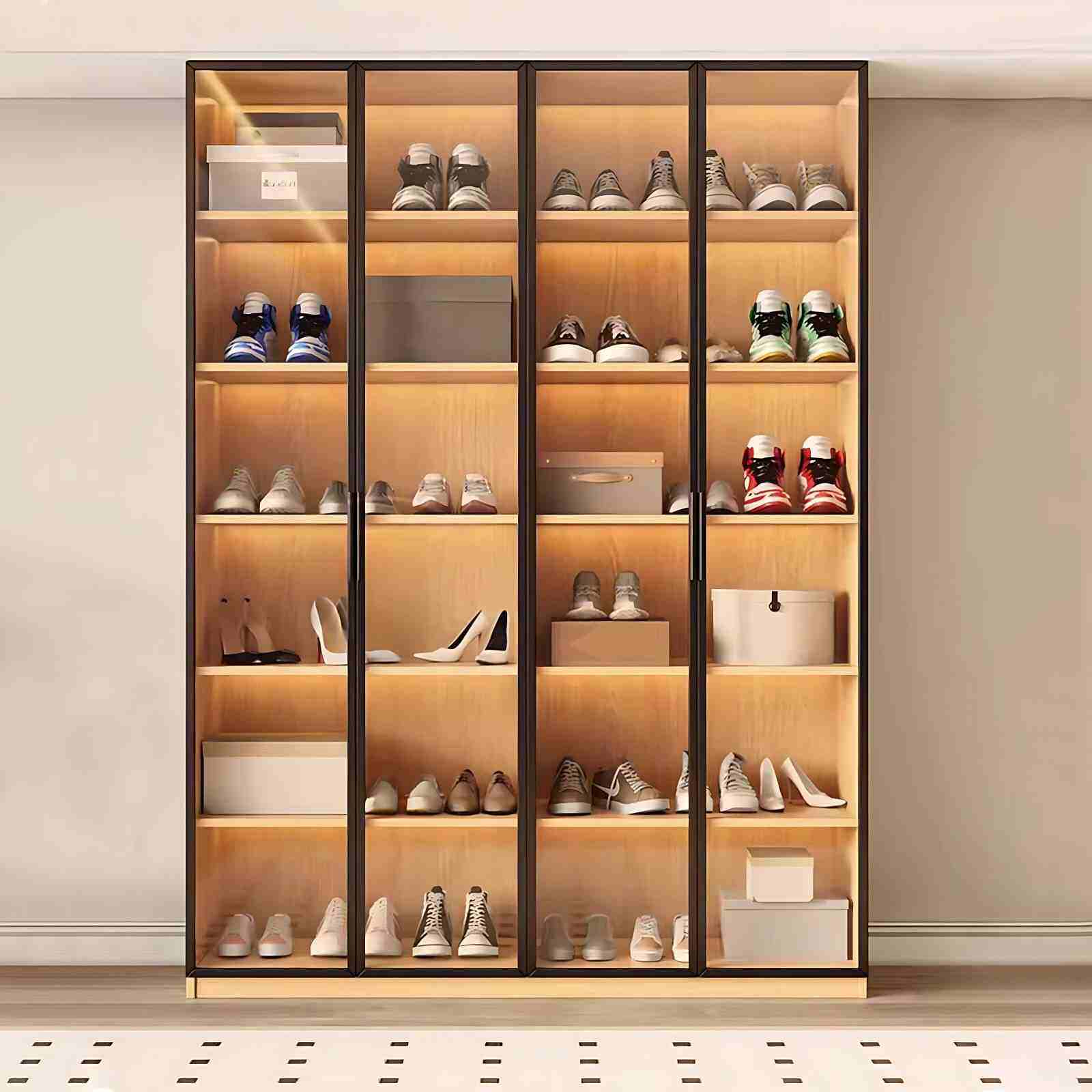
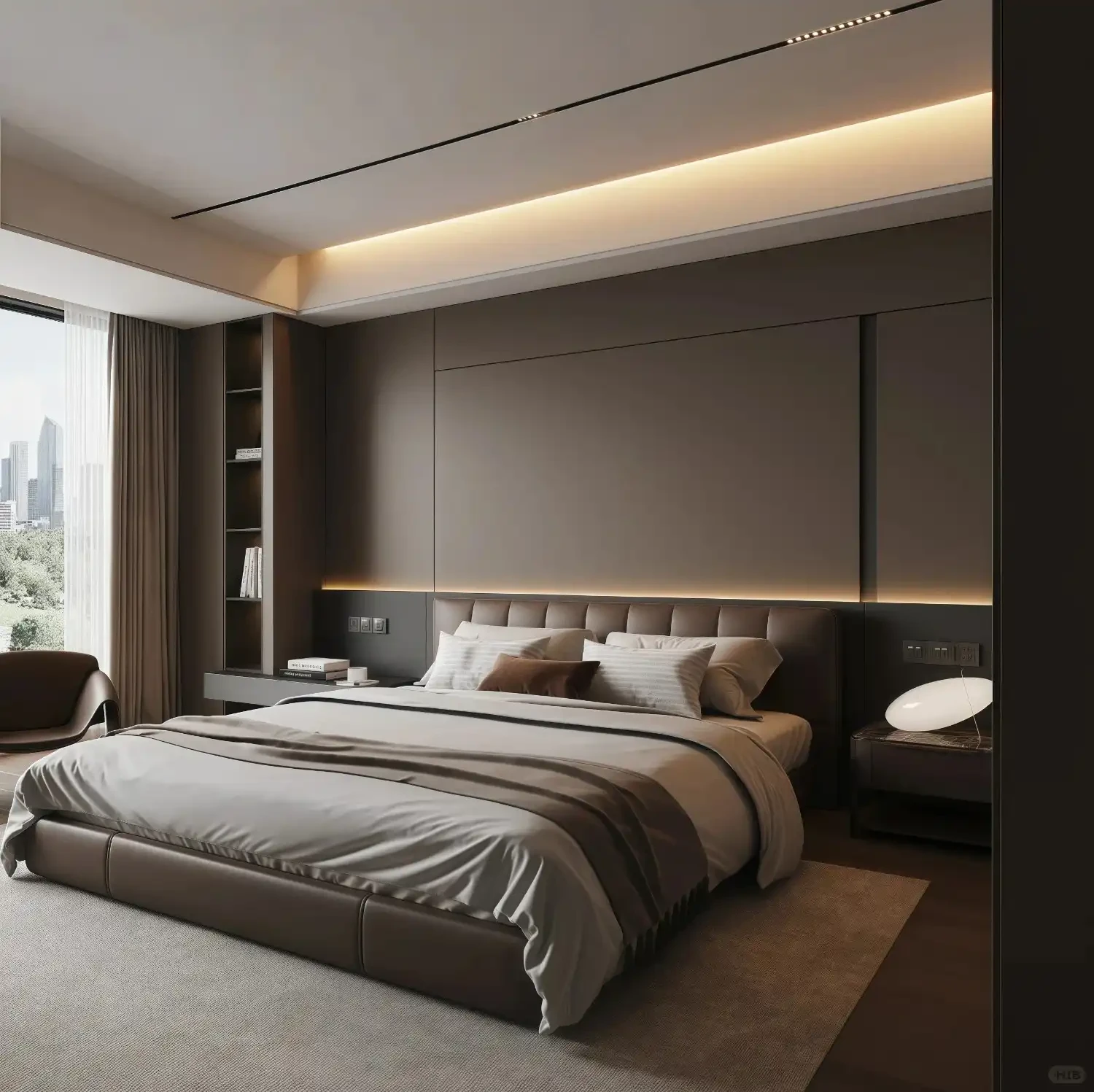
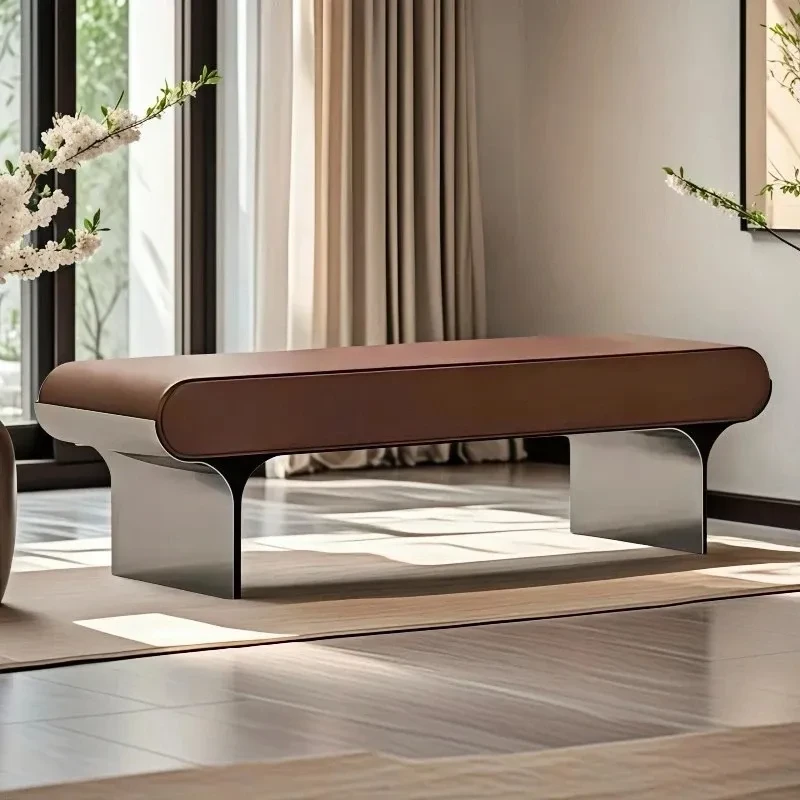
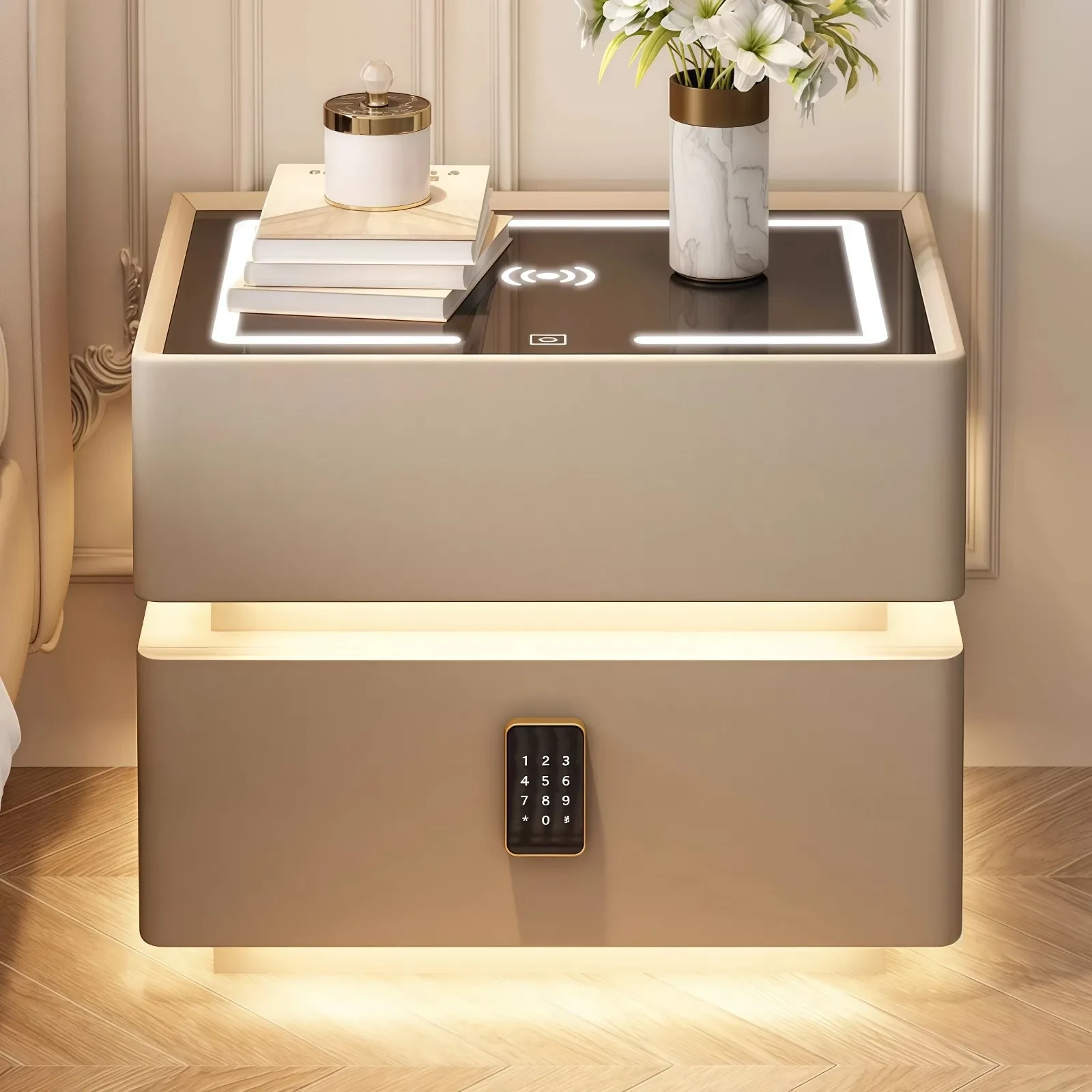
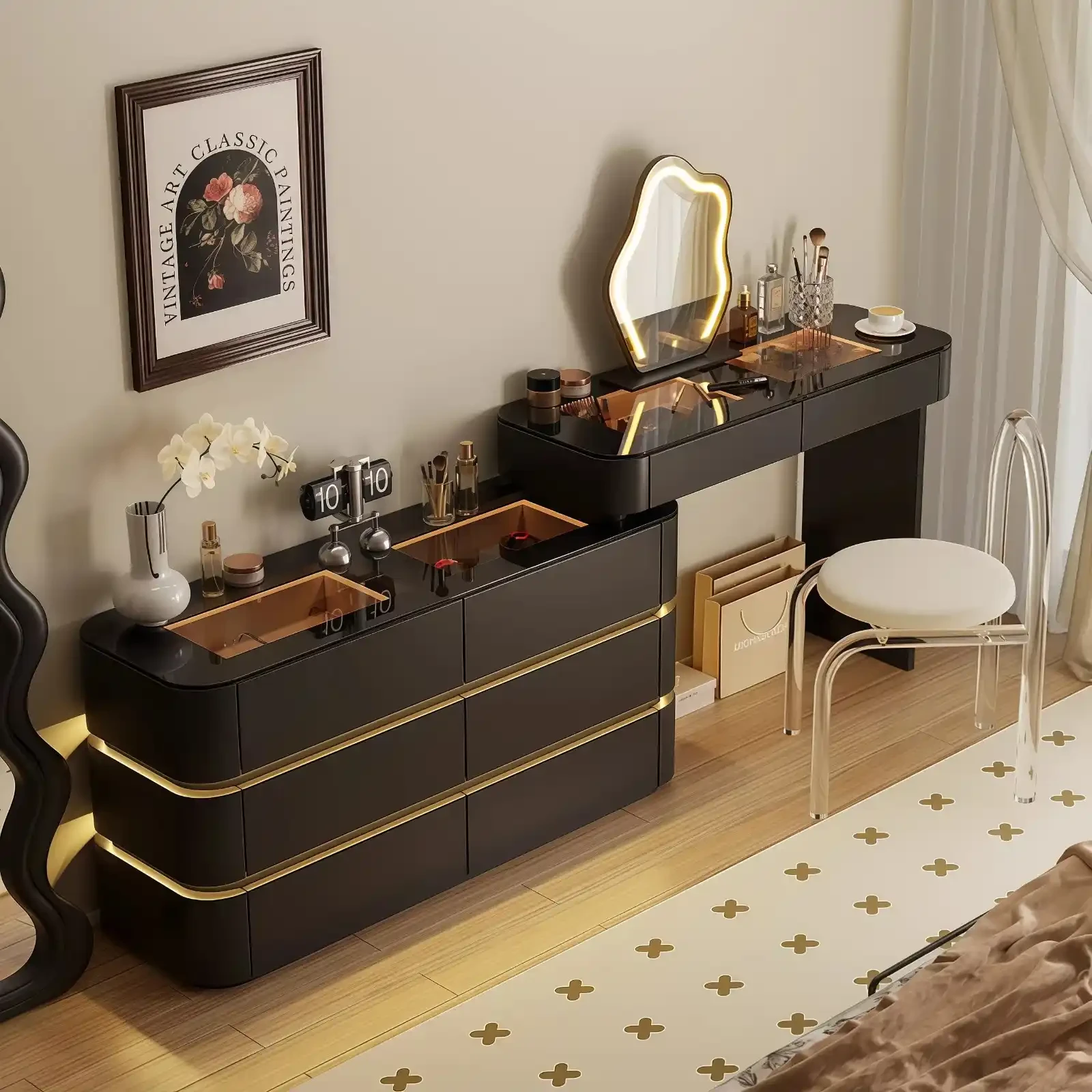
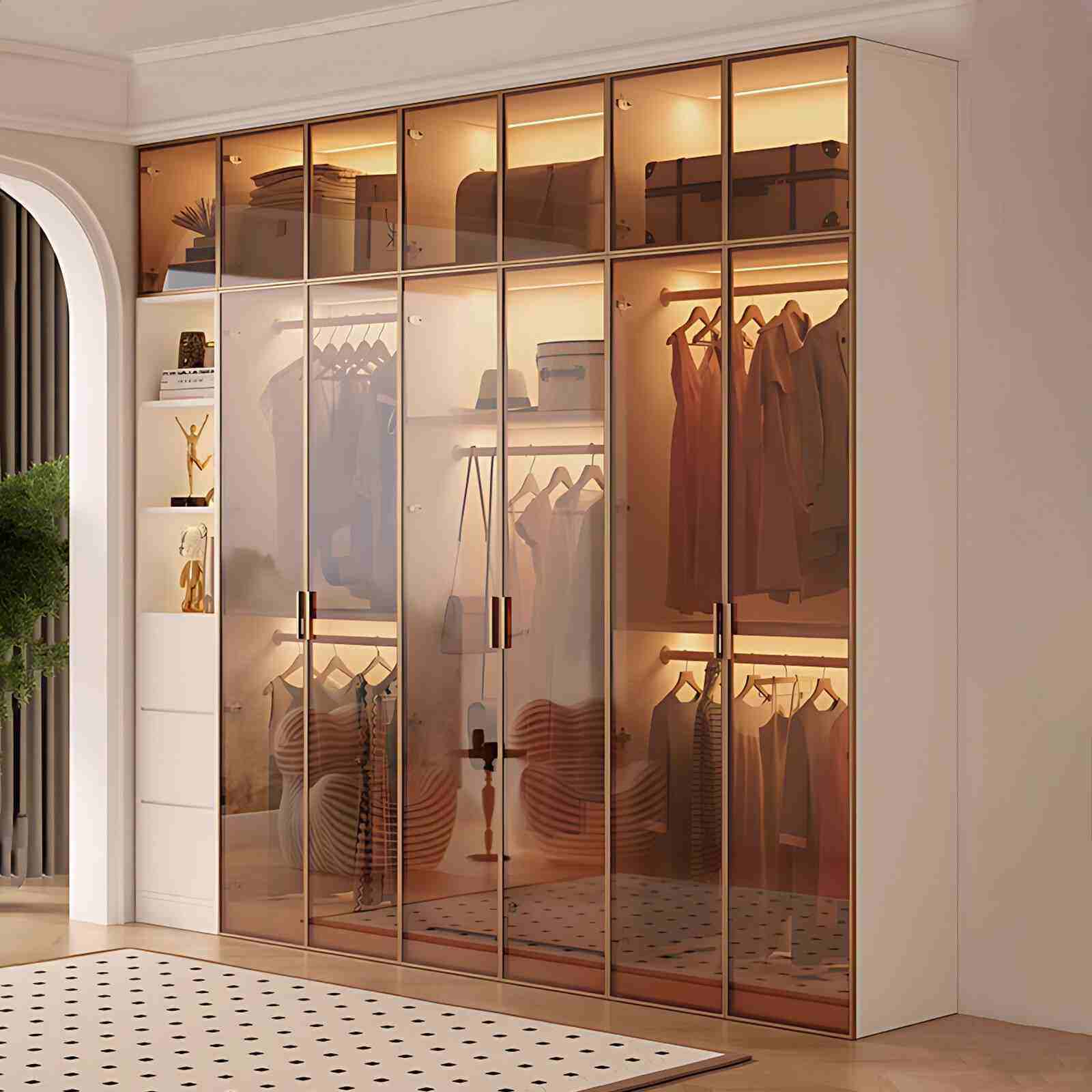
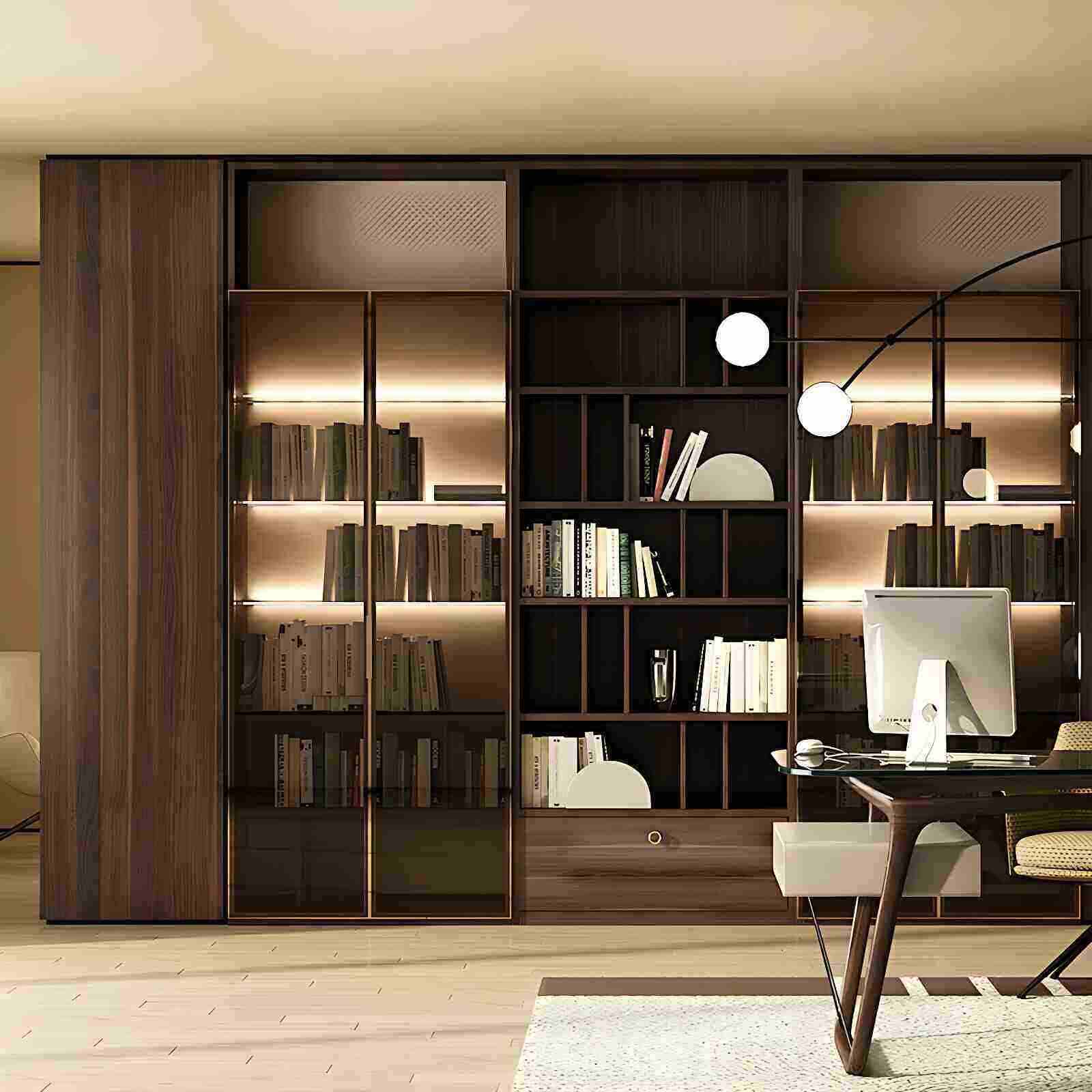
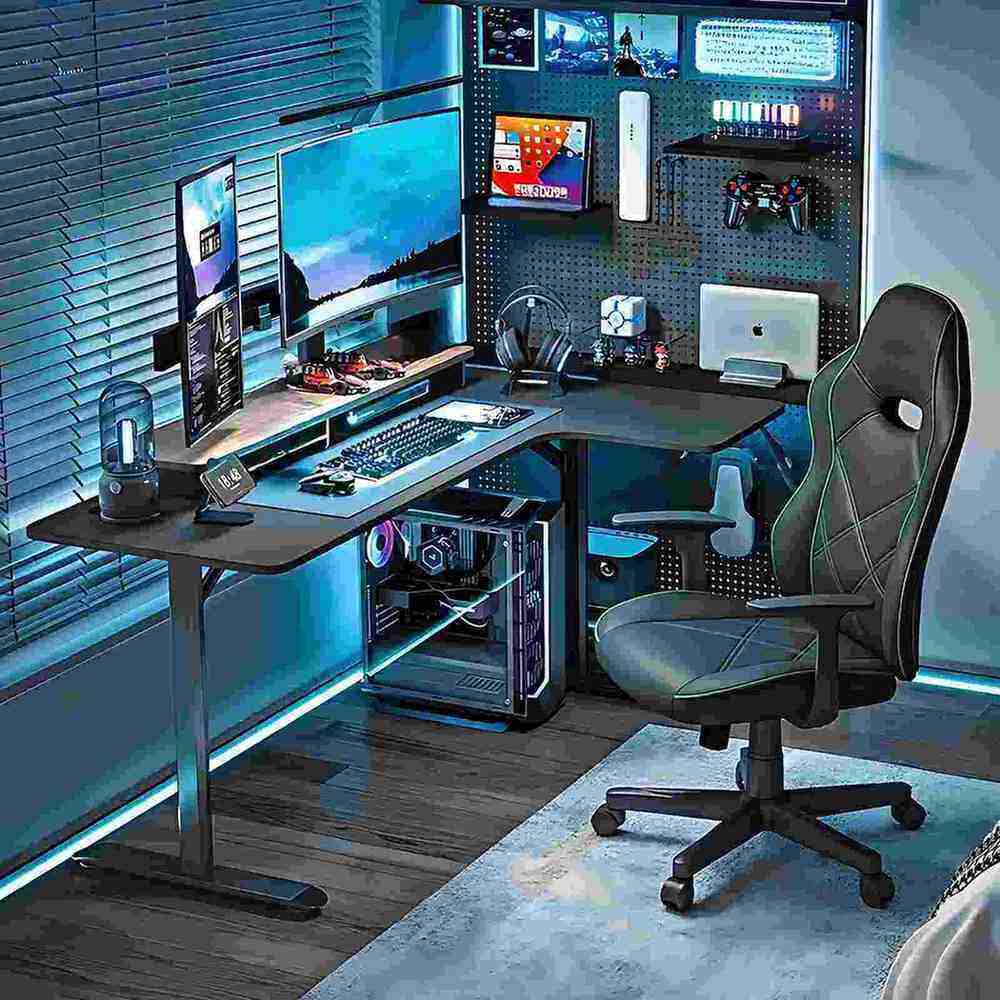
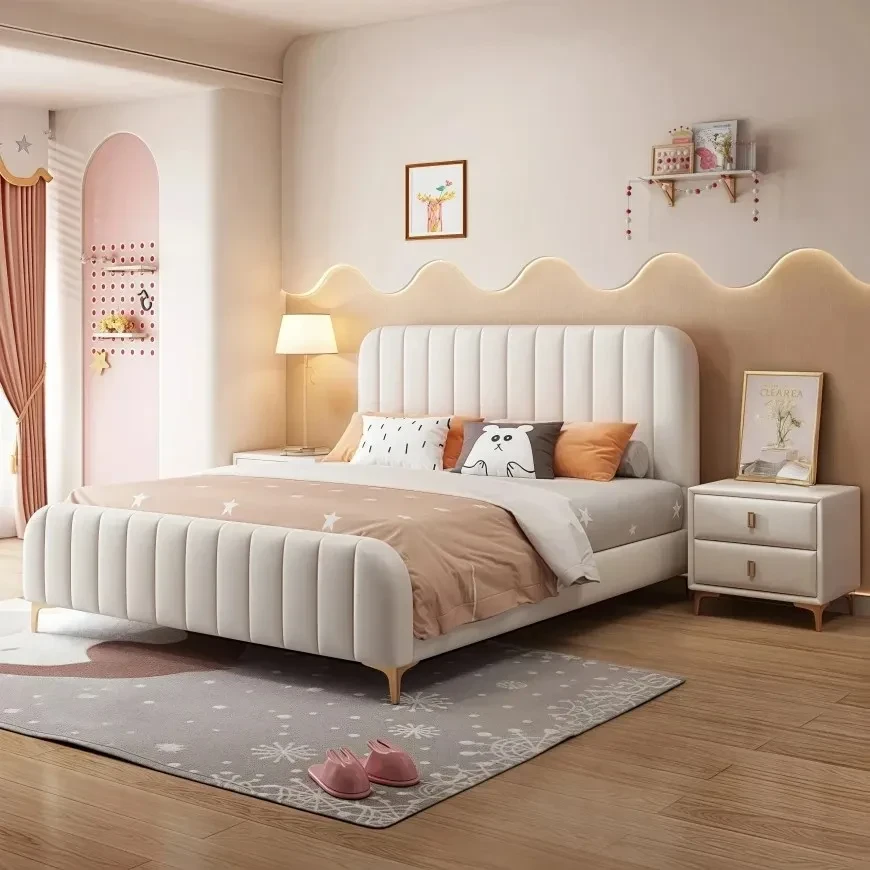
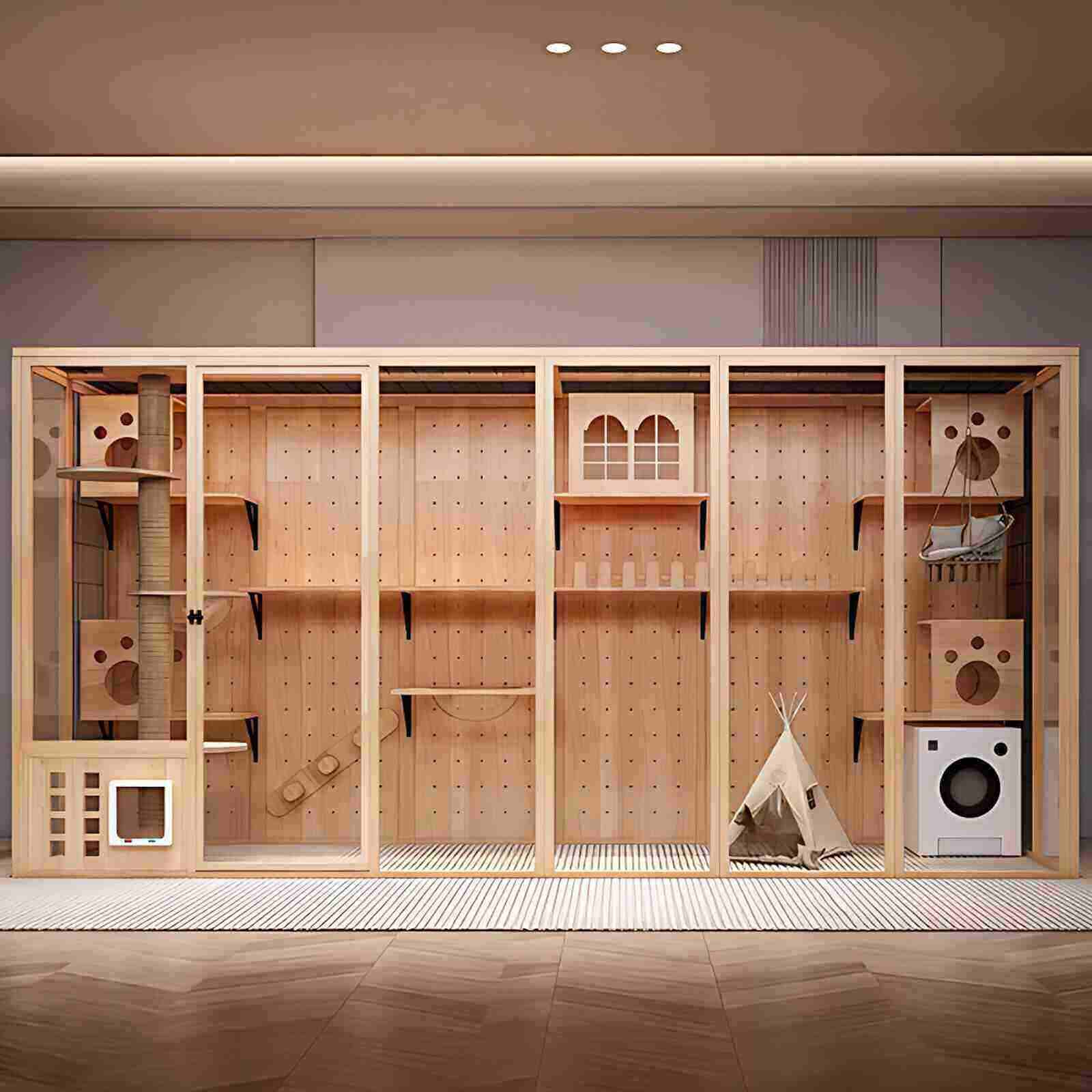
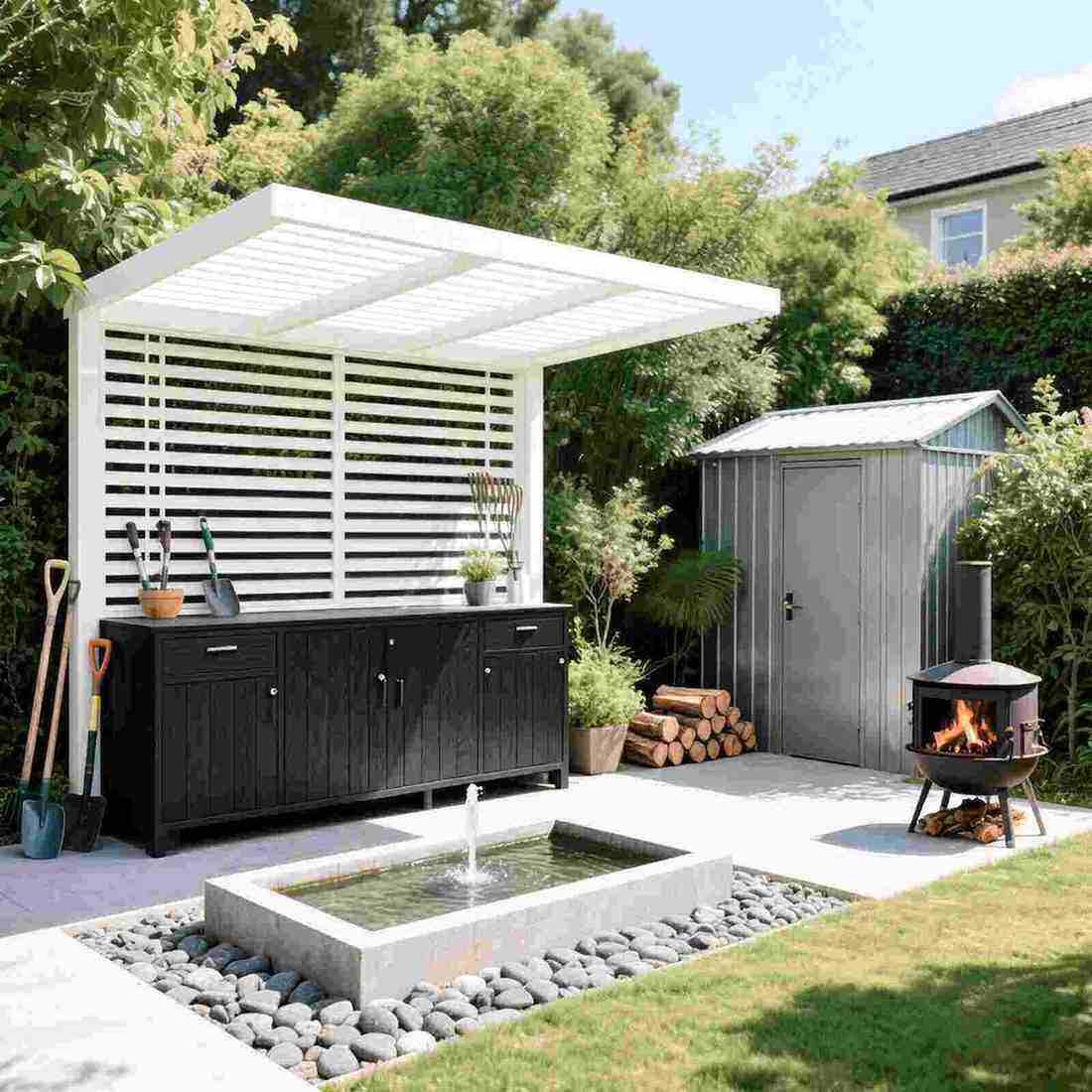
We specialize in producing various environmentally friendly boards, flooring, wooden doors, wardrobes, furniture, wood veneer, paints, adhesives, decorative hardware, wallpaper, wall coverings, integrated wall panels, etc. We are a comprehensive service provider of interior decoration materials with significant influence in my country. Our sales network covers the whole country, so those who are interested in our board brands can purchase them at their local board specialty stores.
Green and environmentally friendly practices have garnered global attention. Whether in the natural environment or the home environment, environmental issues are receiving increasing attention. For interior design, green and environmentally friendly practices directly impact the health of family members, requiring careful consideration at every stage, from material selection to construction.
What are environmentally friendly decoration materials? Environmentally friendly decoration materials are those that meet national standards in all aspects and have little or no pollution to the ecological environment. Choosing environmentally friendly decoration materials is a wise choice for yourself and your family.
Types of environmentally friendly decoration materials
1. Essentially non-toxic and harmless refers to natural decorative materials that contain little or no toxic or harmful substances and have undergone only simple processing without any pollution. Examples include gypsum, talcum powder, sand, and wood.
2. Low toxicity and low emission type
This refers to decorative materials that have undergone processing and synthesis techniques to control the accumulation and slow release of toxic and harmful substances. Because of their low toxicity, they do not pose a danger to human health. For example, TBB (Tu Baobao) boards have extremely low formaldehyde emissions, making them the best representative of environmentally friendly boards nationwide.
3. Unknown type
Materials whose toxic effects cannot be determined or assessed by scientific technology and testing methods, such as environmentally friendly latex paint and environmentally friendly oil paint, are considered non-toxic and harmless. However, with the development of science and technology, their status may need to be reassessed in the future.
What are some environmentally friendly home decoration materials?
I. Furniture Material Selection
Furniture is a major element of home decoration, with wardrobes, cabinets, TV stands, shoe cabinets, wine cabinets, and more being the main components. Health and environmental friendliness are what every family desires. We often hear about cases where furniture contains excessive formaldehyde, making it impossible to live in a newly decorated home, which is truly heartbreaking. The root cause is often the selection of formaldehyde-contaminated boards.
When making furniture, there's always a material selection process. When choosing boards, it's crucial to select those with low formaldehyde emissions. Reputable vendors will usually inform you of the formaldehyde emission level of the boards. Currently, the formaldehyde emission standard for indoor use is E1 (formaldehyde release ≤ 1.5 mg/L). Other environmentally friendly board grades include E0 (formaldehyde release ≤ 0.5 mg/L) and formaldehyde-free (formaldehyde release < 0.30 mg/L). In 2015, our company successfully launched the 360° formaldehyde-removing board, a product that provides long-lasting formaldehyde removal, offering "more thorough formaldehyde removal and comprehensive care."
II. Wall Materials
Wall materials generally include latex paint, wallpaper, wall tiles, coatings, decorative panels, wall coverings, and wall felt.
1. Wallpaper. The market is dominated by plastic wallpaper, whose biggest advantage is the endless variety of colors, patterns, and textures, far exceeding that of paint.
2. Wallpaper. Commonly used types include non-woven wallpaper and fiberglass wallpaper.
3. Coatings.
(1) Low-grade water-soluble coatings: The most common are 106 and 803 coatings.
(2) Latex paint: There are many brands of products on the market, among which latex paint still adheres to the concept of environmental protection, ensuring the green and healthy nature of the product. This type of paint is characterized by its silky sheen, which looks like satin, and it usually requires two coats.
(3) Multicolor spraying: Multicolor spraying is a process in which oil is dispersed in water and can be formed after spraying.
4. Wall tiles: Ceramic products are frequently used in home decoration to finish walls, pave floors, and decorate kitchens and bathrooms. Ceramic products have low water absorption, are corrosion-resistant, and have strong anti-aging properties.
5. Integrated wall panels: In addition to wall paint, wallpaper, and wall coverings, integrated wall panels have been launched. They are easy to install and environmentally friendly and pollution-free, so they have been well received by the market as soon as they were launched.
III. Ground Materials
Common flooring materials include: solid wood flooring, engineered wood flooring, natural stone, artificial stone tiles, carpets made from textile products, and flooring made from man-made products (plastic).
1. Solid wood flooring
Solid wood flooring is a floor covering material made from dried and processed wood. It features natural grain patterns, a comfortable feel underfoot, easy installation, safe use, and excellent decorative effects.
2. Engineered wood flooring
Engineered wood flooring is a new type of flooring material that falls between solid wood flooring and laminate flooring. It has the natural texture, feel, and elasticity of solid wood flooring, while also having the advantages of laminate flooring, such as resistance to deformation and ease of cleaning.
3. Floor tiles
Floor tiles are one of the main flooring materials, and the varieties include unglazed tiles, glazed tiles, unglazed polished tiles, inlaid tiles, and inlaid polished tiles. Their characteristics include: solid texture, heat resistance, wear resistance, acid and alkali resistance, waterproofing, easy cleaning, low water absorption, a wide range of colors and patterns, and good decorative effect.
4. Stone slabs
Stone slabs are slab-shaped decorative surface materials made from natural rocks through processes such as quarrying, sawing, and polishing. Stone slabs are characterized by their dense structure, high strength, and strong resistance to moisture and weathering.
5. Carpets
Carpets are soft, thick, and elastic, and have good sound and heat insulation properties.
By mastering the basic knowledge of these building materials and applying it in your renovation, you can surely achieve a green and healthy home decoration.