
 USD
USD GBP
GBP
 EUR
EUR
Why More People Are Ditching Bedroom Wardrobes — The Surprisingly Simple Reason
Nov 21, 2025


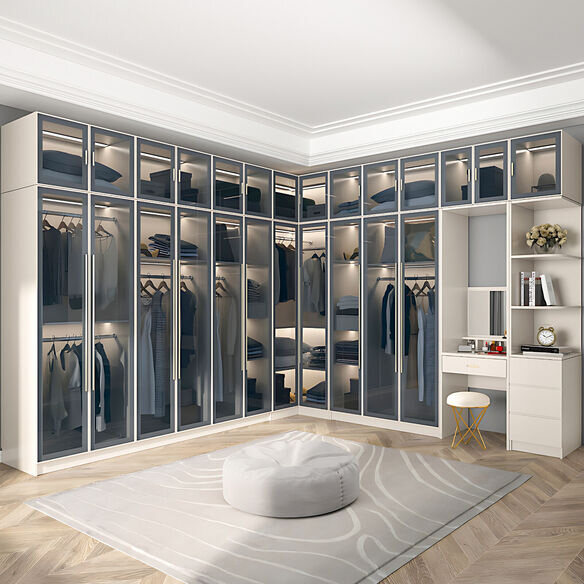
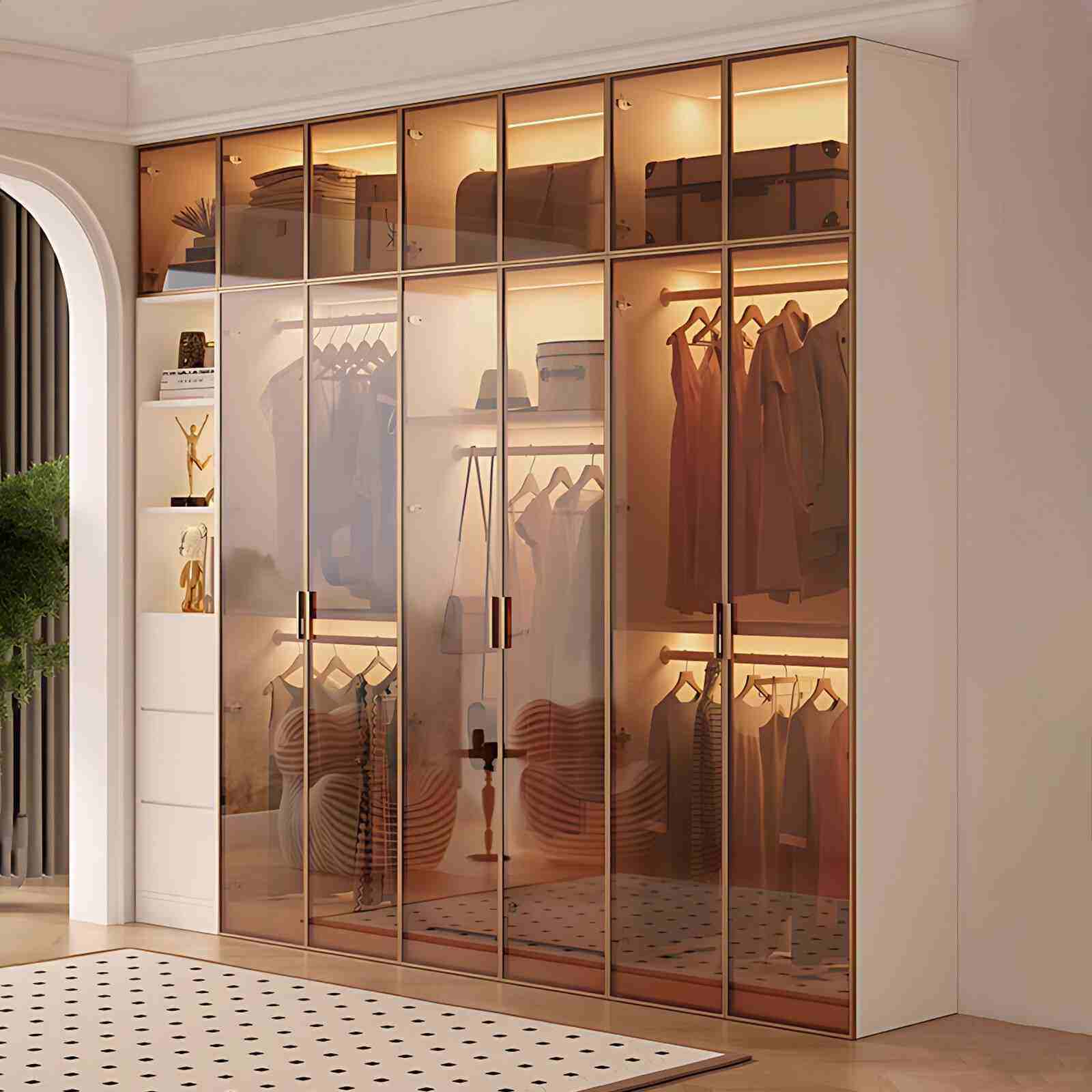
When decorating a house, many details need attention, especially the storage functionality. Many people now choose custom-made wardrobes, particularly the main storage unit. A well-designed and user-friendly wardrobe can greatly enhance your well-being.
Conversely, a poorly designed wardrobe can become a storage disaster zone. Imagine opening a wardrobe to a mess of clothes piled together – how can you possibly have a good mood?
I. Common Designs
1. Small Apartments with Many Clothes
For homes with many clothes, it's recommended to create multiple folding areas to save space. Arrange clothing storage according to type and season.
2. Two/Three-Person Families
Families of two or three typically have a lot of clothes. The design needs to allocate ample storage space. The hanging area should be divided into long and short hanging areas to store different lengths of clothing. Separate sections for men and women.
3. Suitable for those who love hanging clothes: Multiple hanging areas are provided, making hanging the simplest and most direct storage method. Clothes are easily visible and easily retrieved, saving time on folding and ironing. Storage requires no skill and is very time-saving.
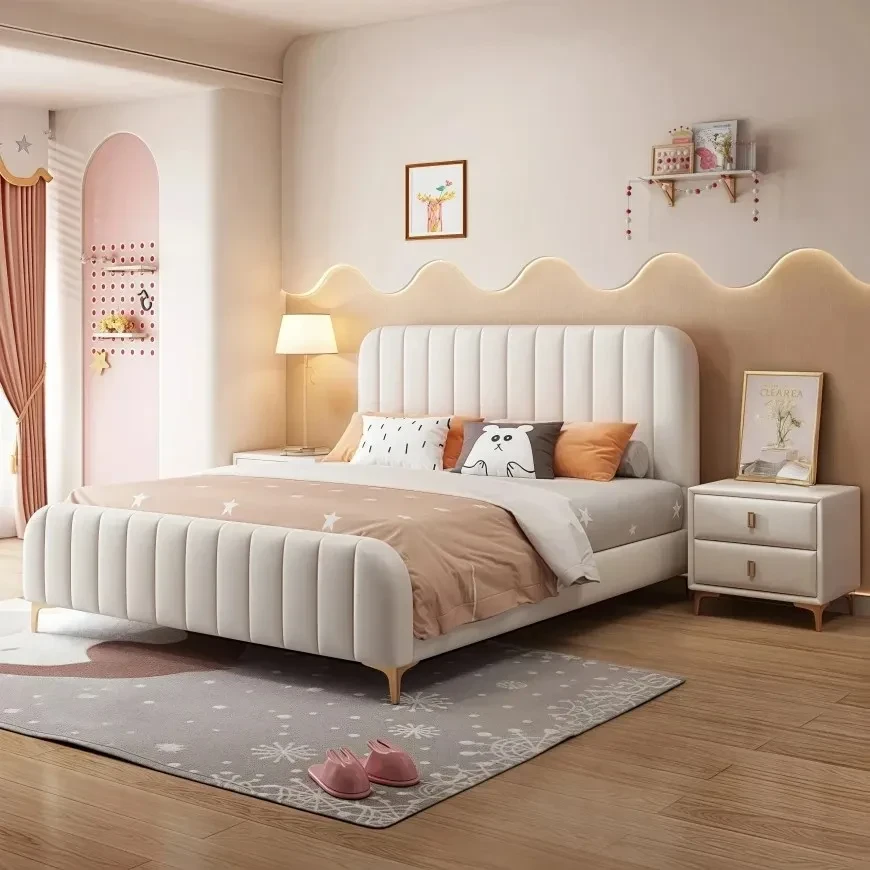
4. Suitable for children: Children's wardrobes need to consider not only clothing but also toys, books, and other children's items. The following design achieves multiple uses in one wardrobe, emphasizing multifunctionality.
5. Suitable for the elderly: It is recommended to include more shelves in the design, as the elderly don't have many clothes. The wardrobe doesn't need to be particularly large, but easy access is crucial. Frequently used shelves and drawers should not be too low to avoid inconvenience for the elderly when bending down to retrieve items.
II. Wardrobe Layout
Upper Shelf: Stacking Storage Area
The upper space is a low-frequency storage area, usually used to store out-of-season bedding, clothing, and other infrequently used items. Because bedding takes up a lot of space, you can choose to remove the partitions to maximize space utilization. The height should be no less than 400mm.
Middle Layer
1. Hanging Area
Standing up to access clothes is the most comfortable way. Hang as many clothes as possible for easy access. Create a dedicated hanging area. This is mainly divided into long and short hanging areas. The long hanging area is mainly for women's dresses and coats. The following hanging heights are for reference:
Short coat height = 800mm, hanging height 950mm
Medium coat height = 1050mm, hanging height 1200mm
Extra long coat height = 1350mm, hanging height 1600mm
Hanging height from the ground = height + 300mm
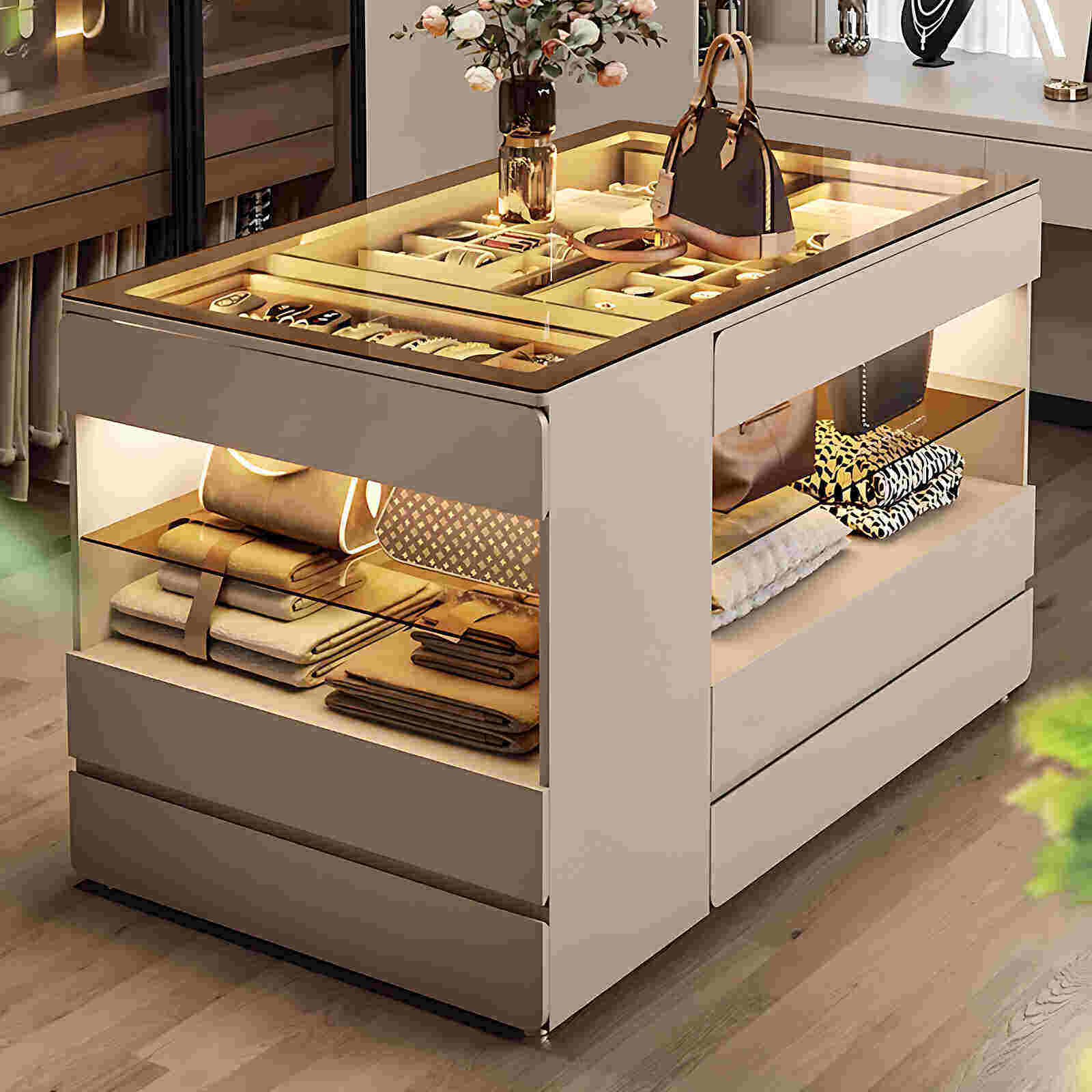
2. Folding Area
It is recommended to create folding areas for different sizes.
Bottom Layer
1. Pants Hanging Area
This is the area from where your arms can naturally reach to the highest point you can touch. Hanging pants is a good option. Pull-out racks can be used. 1. Pants length = 1050mm, storage rack height 600mm
2. Drawer Area
This area is conveniently located when bending or squatting, suitable for drawers or dividers to store small items such as socks and underwear. Drawers are best placed below 1250mm in the wardrobe for easy access and less effort.
Subscribe To Our Newsletter
You Can Get The News Of Our Products
SIGN UP
Payment Methods