
 USD
USD GBP
GBP
 EUR
EUR
8 Key Details to Create an Ideal Wardrobe
Aug 16, 2025


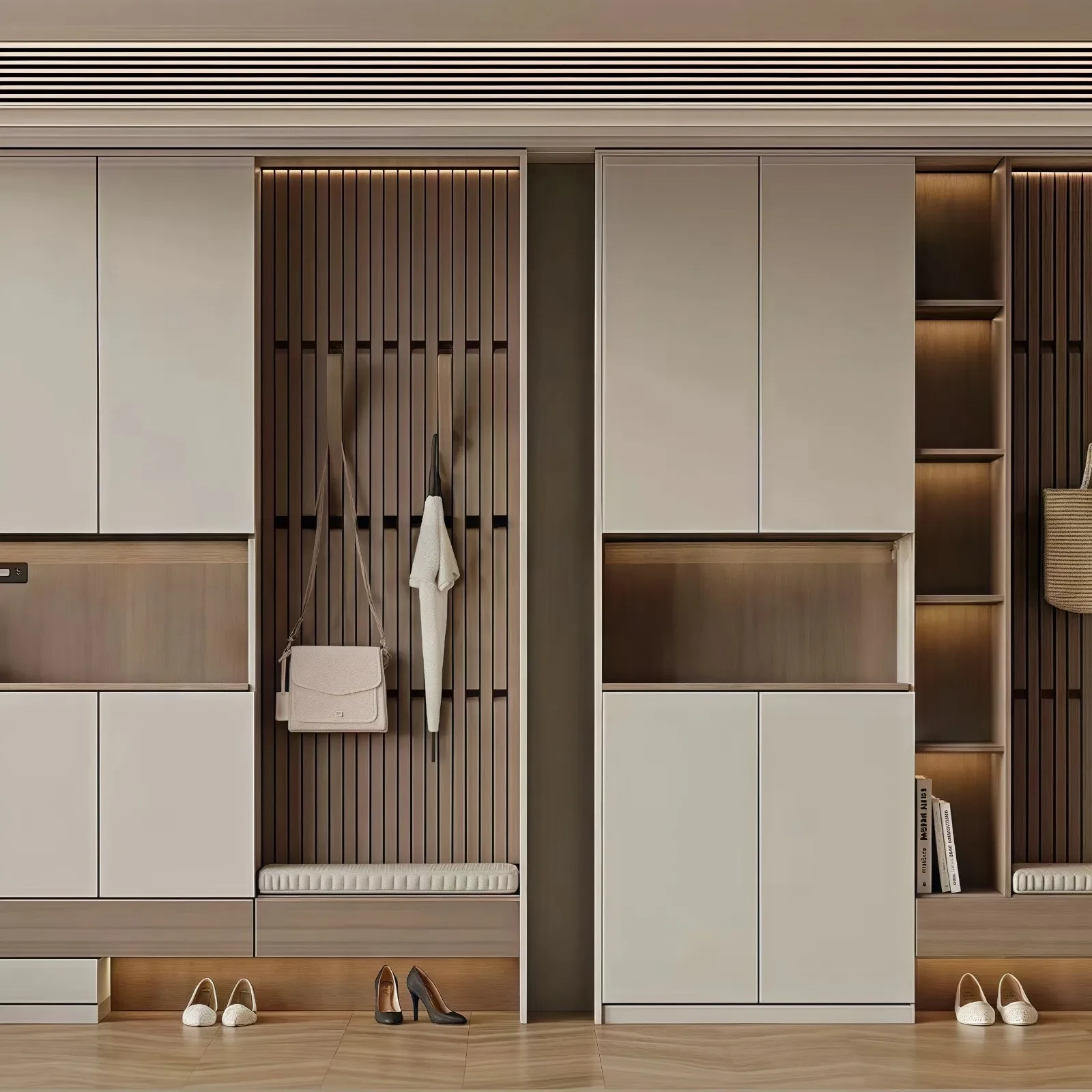
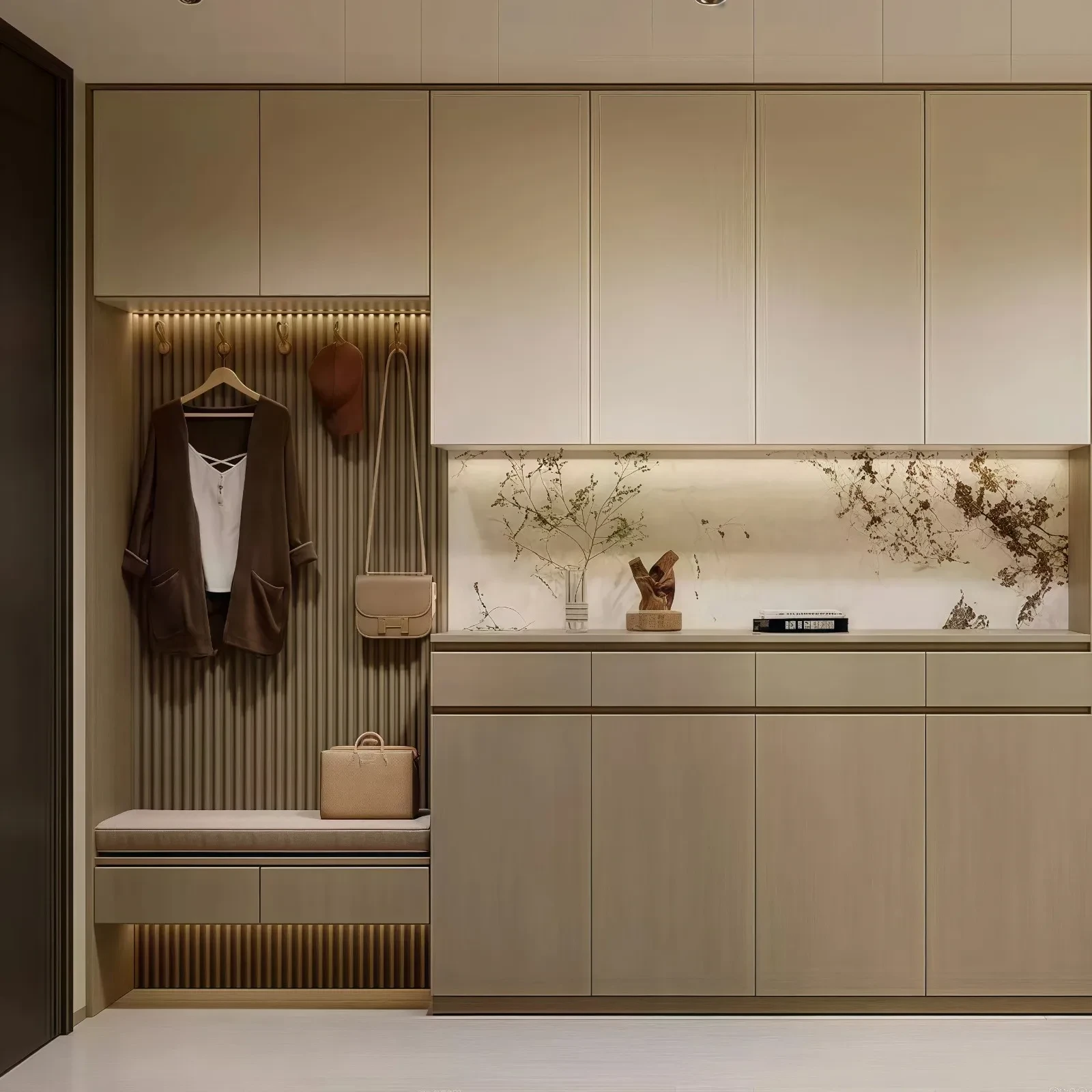
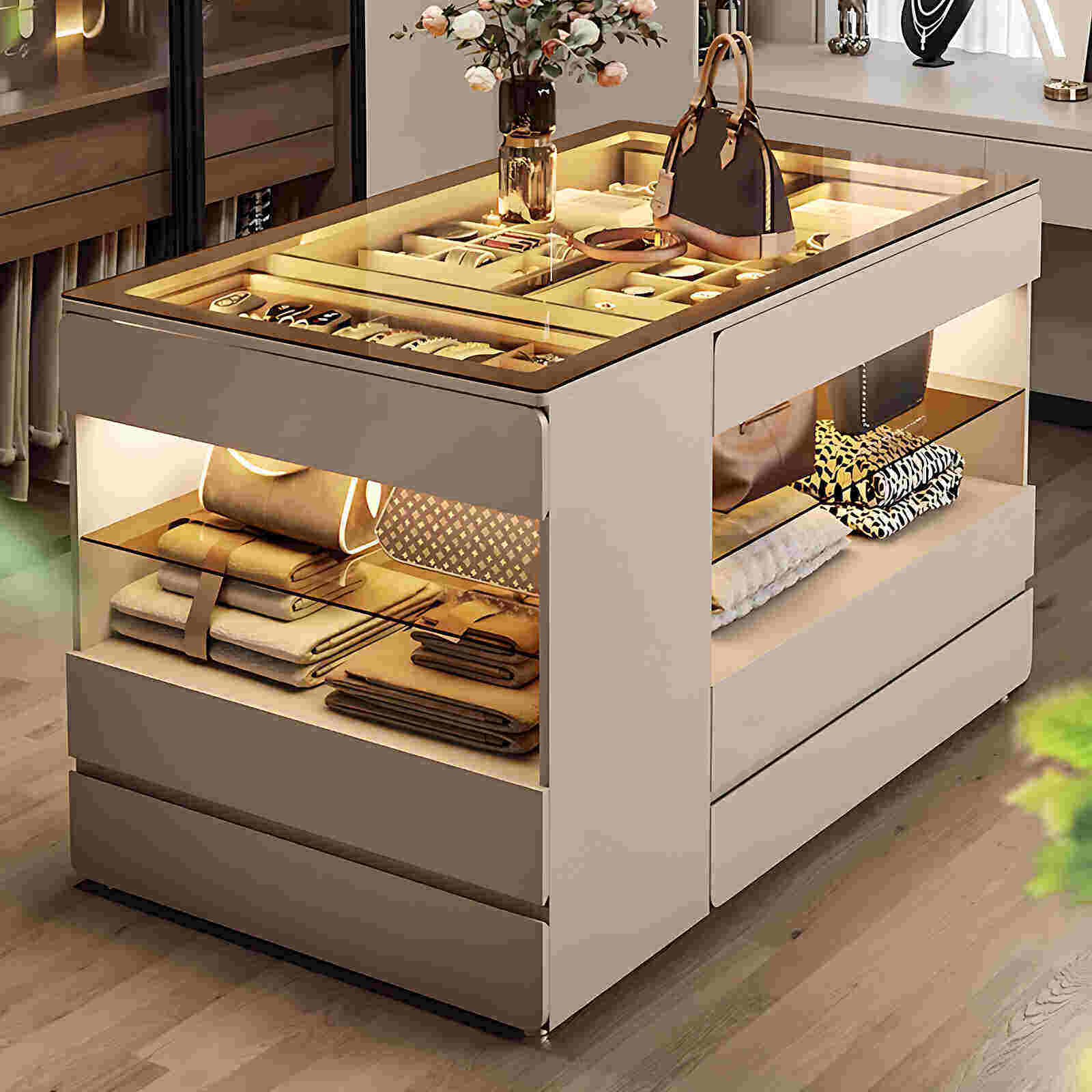
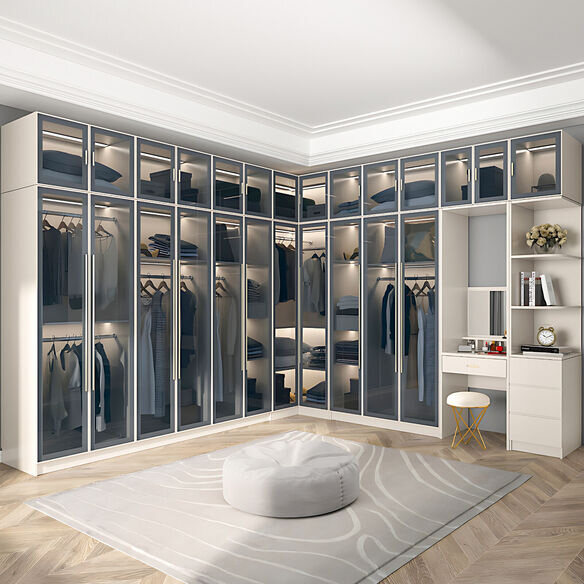
Nowadays, more and more people, after owning a home, desire to have their own dressing room. A dressing room isn't just for storing clothes; it's also a symbol of status. However, designing a dressing room requires careful consideration of the space. A well-designed dressing room can easily create a stylish home, but there are a few things to keep in mind.
1: Dressing Room Types
A. Open-Plan Dressing Room
An open-plan dressing room essentially involves creating a wardrobe in a suitable area of your home to store clothing. Its advantages are space conservation, convenience, and increased efficiency in finding items.
B. Standalone Dressing Room
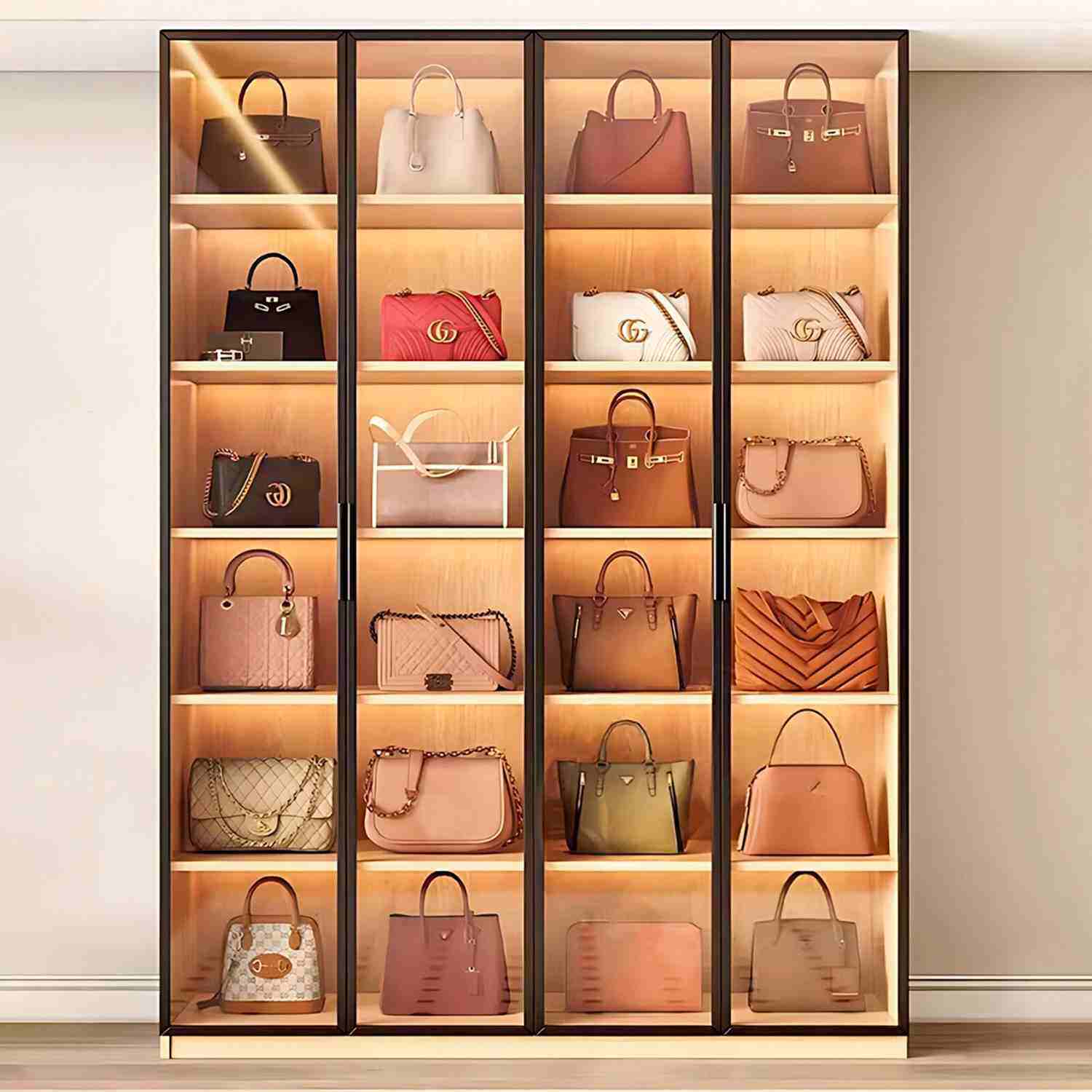
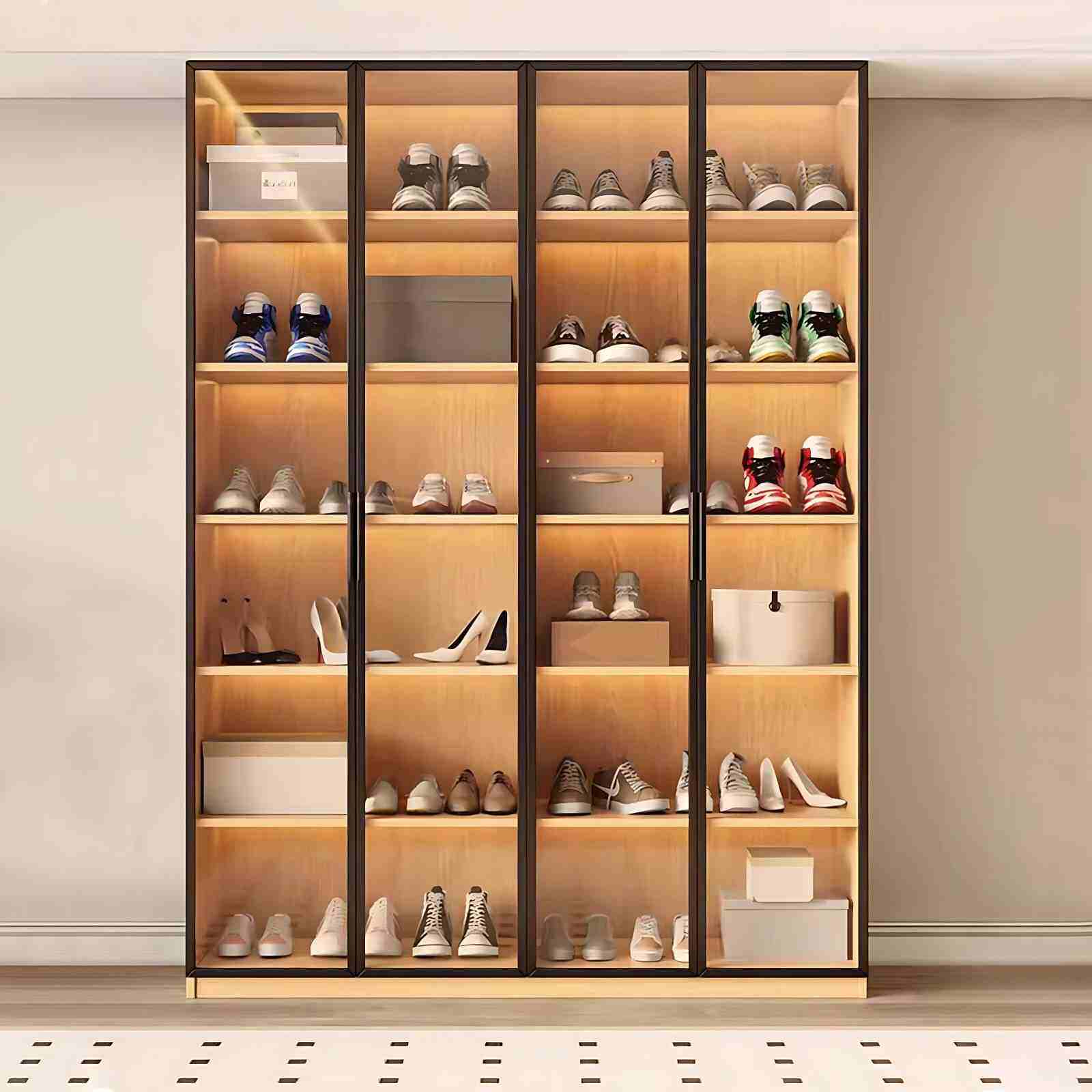
A standalone dressing room is generally considered the best of all dressing rooms. Designing a dedicated dressing room in a separate area of your home, dedicated solely to storing clothes, shoes, jewelry, bags, and other essentials, opens up new possibilities and is generally the preferred choice for larger apartments.
C. Built-in Closet
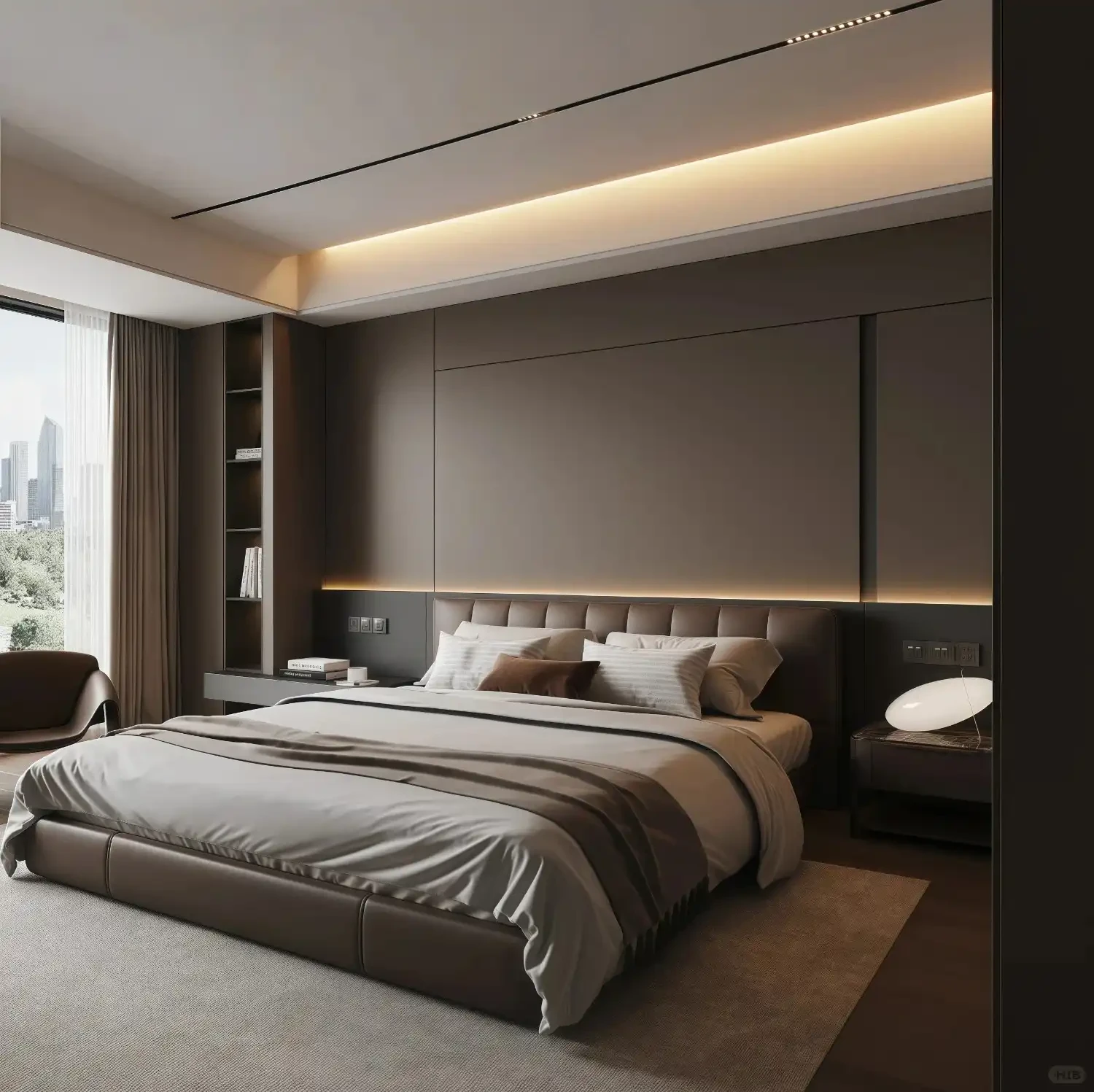
A built-in closet is simply a wardrobe built into the bedroom. It's typically built into the wall between the master bedroom and bathroom, making it the most space-efficient option.
D. Walk-in Closet
A walk-in closet is typically designed based on the specific layout of the home or apartment. This type of closet also requires a separate area, but it offers a more logical organization and a stylish design, making it increasingly popular.
Second Step: Closet Area Division
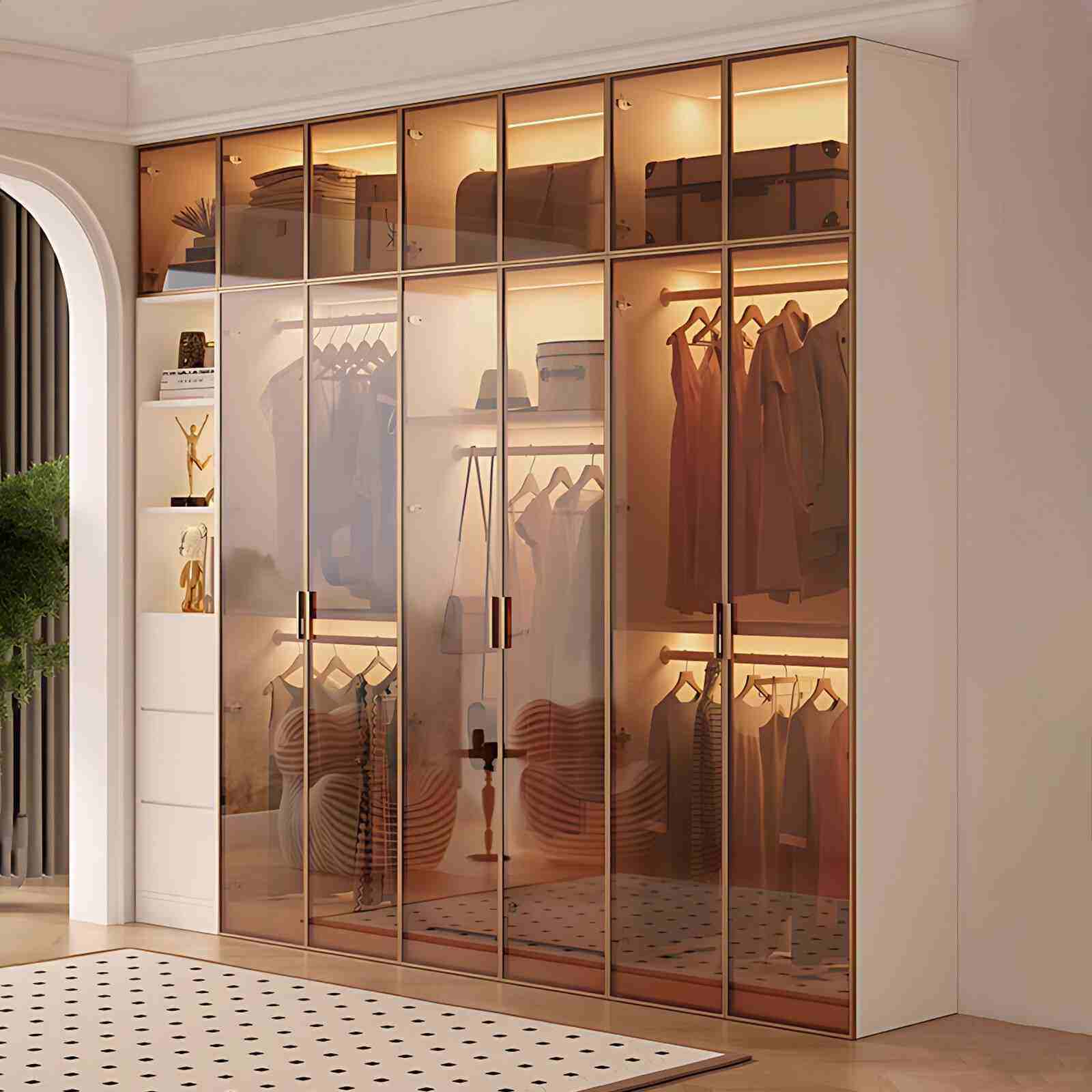
To create a practical closet, it's crucial to carefully consider its area divisions. A closet typically includes areas for folding clothes, hanging clothes, and shoes and hats. Hanging clothes can be further divided into long clothes, short clothes, and pants. Ideally, divide your closet into areas that suit your lifestyle for maximum convenience.
Generally speaking, when designing a dressing room, it's not recommended to create too many folding areas. This can make it difficult to find clothes, as searching for just one item can mess up the entire pile. Therefore, creating more hanging areas will prevent creases and make it easier to find clothes.
3: Board Material is Important
The board material used in a dressing room is also crucial. Currently, solid wood particle board is the primary material used for wardrobes on the market. It offers advantages like high stability, resistance to deformation, and ease of processing. However, its disadvantage is high formaldehyde content. Many renovation companies and shops recommend particle board for these reasons, exaggerating the benefits of particle board while downplaying the advantages of solid wood eco-friendly board. Don't be fooled; solid wood eco-friendly board is the preferred choice.
4: Hardware Selection
When designing a dressing room, seemingly unassuming hardware components are crucial. Key hardware includes hinges, slides, and hinges. Wardrobes are frequently opened and closed, so poor quality can affect their functionality. Therefore, careful hardware selection is crucial.
If you want to have a practical dressing room, each of these precautions is very important and must not be ignored.
Subscribe To Our Newsletter
You Can Get The News Of Our Products
SIGN UP
Payment Methods