
 USD
USD GBP
GBP
 EUR
EUR

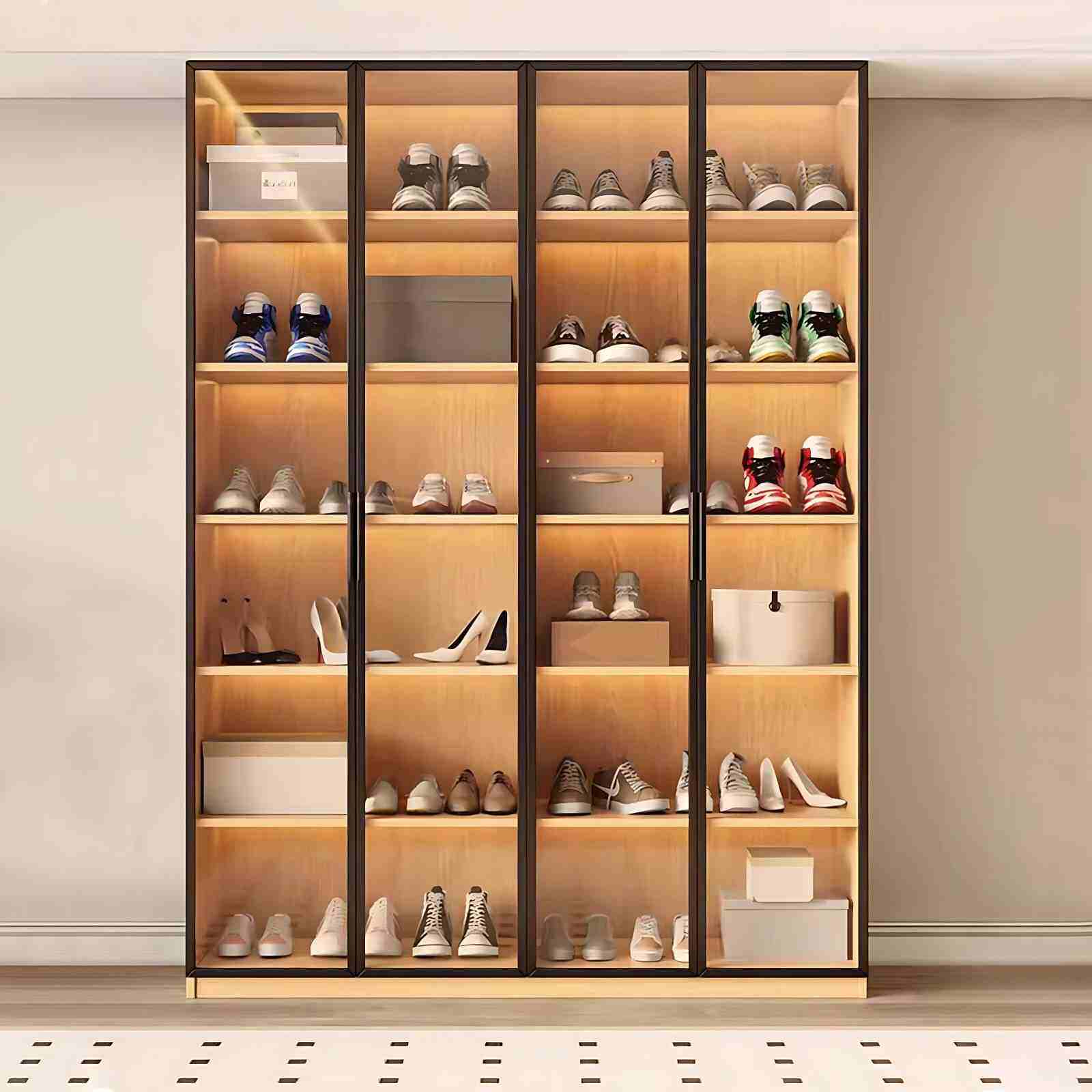
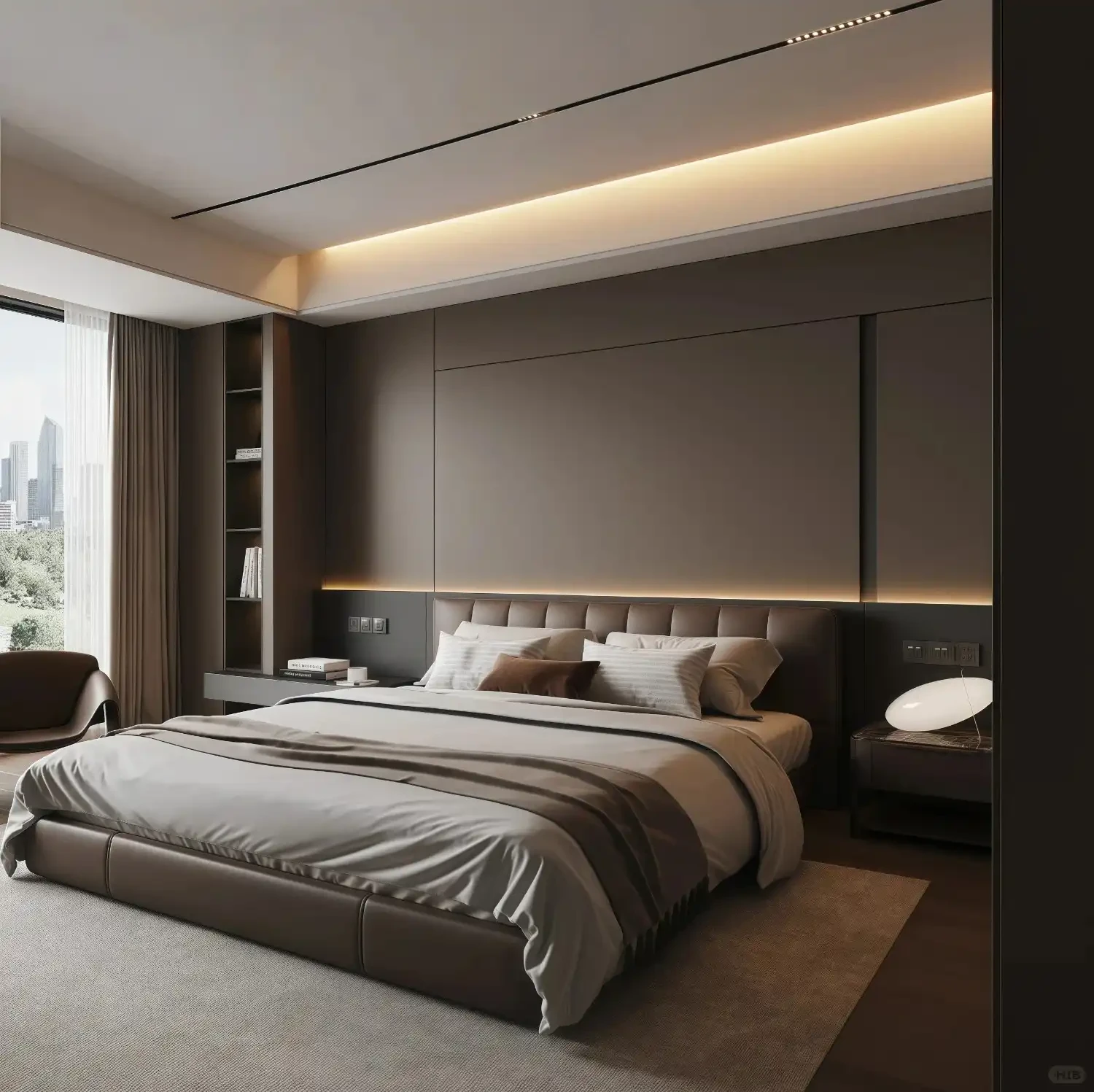
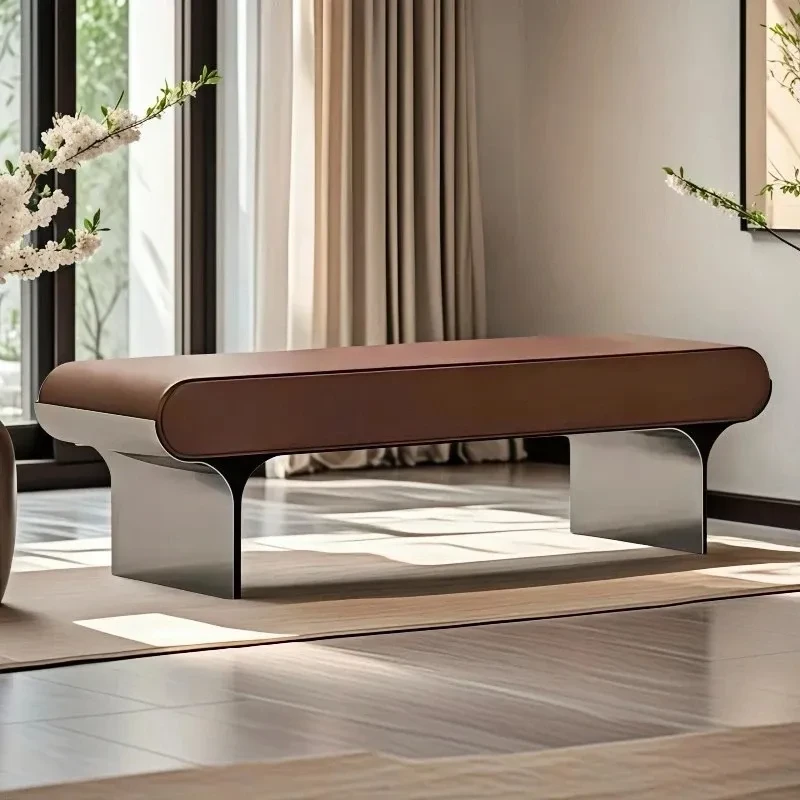
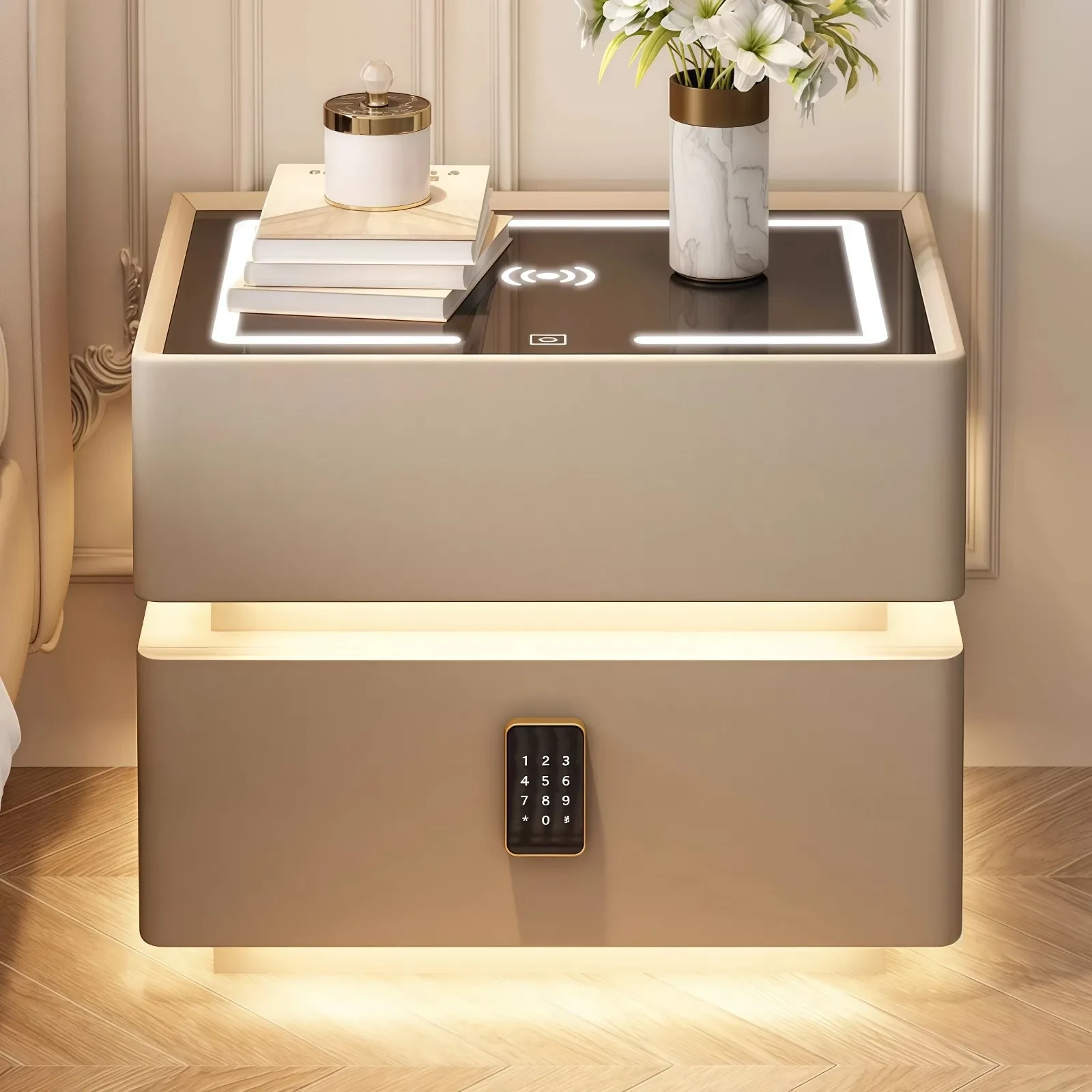

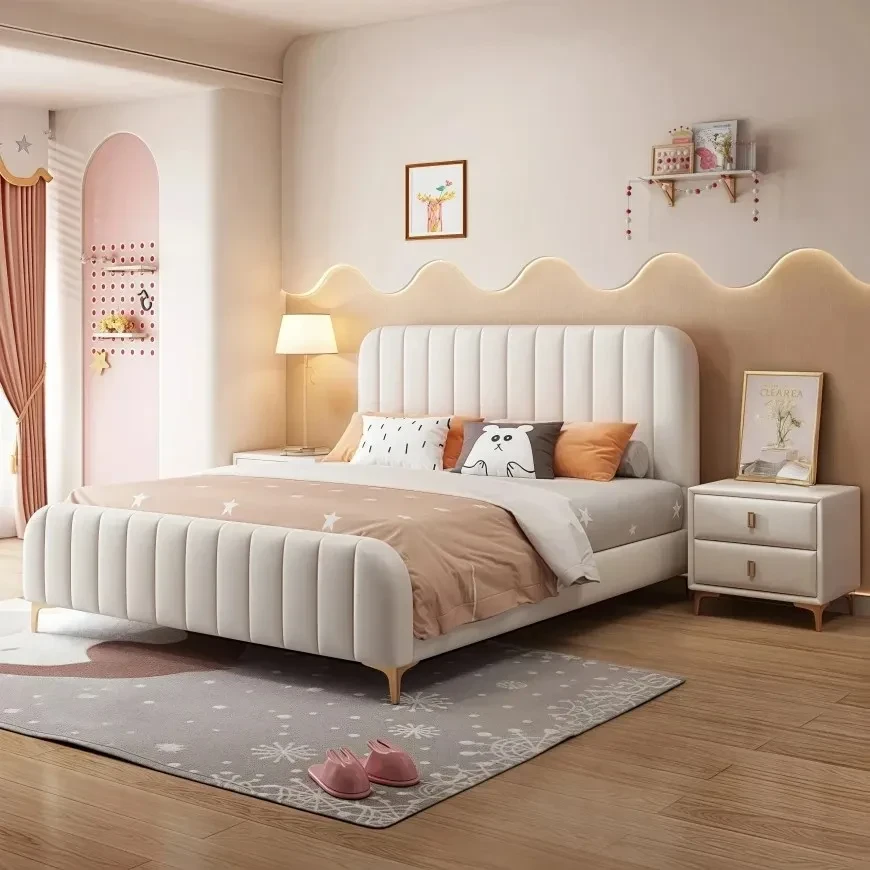
How to Remodel a 65-Square-Foot Bedroom: Smart Design Ideas and Budget Tips
Dec 19, 2025


◇ Garden Concept and Importance
When people think of a "garden," they often picture vast fields of blooming flowers and lush green lawns. However, even in a small office space or home courtyard, a unique and enchanting miniature green space can be created through cleverly arranged greenery, allowing one to appreciate the tranquility and beauty of nature amidst a busy schedule. A garden isn't just about expansive natural landscapes; it can also be about creating a serene natural atmosphere within a limited space through clever arrangement of green plants.
◇ Style Selection and Layout Design
Creating an attractive and beautiful green environment requires following a series of key points. When planning, the size of the courtyard, the surrounding natural environment, and one's financial capabilities must be considered. Style selection is related to personality and budget; simplified, formal, natural, and floral layouts all offer unique aesthetics and user experiences.
◇ Modern Minimalist Design
For homeowners with limited time and little time for frequent garden maintenance, a simplified design is a good choice. This design concept emphasizes the clever combination of living plants with other materials, such as pebbles and inlaid lawns, to create a garden that is both aesthetically pleasing and easy to manage. For plant materials, hard-textured, low-maintenance varieties are preferred.
◇ Formal Layout
For homeowners with ample time and interest, and a willingness to regularly and meticulously maintain their garden plants, a formal layout is an ideal choice. Using this method, plants such as boxwood, gardenia, azalea, and photinia can be carefully pruned into neat hedges or spheres, showcasing the homeowner's exquisite gardening skills and adding a touch of elegance and refinement to the environment.
◇ Natural Layout
In small to medium-sized gardens, a natural layout can be used, flexibly planting small clumps of trees, lawns, or potted flowers. This subtly softens the harsh outlines of paths and buildings, adding a touch of natural beauty.
◇ Flower Cluster Layout
In the corners or edges of the courtyard, various perennial flower clusters are cleverly planted. Their varying heights and vibrant colors create a strong visual contrast. The remaining open areas are suitable for paving, placing rocking chairs, tables, benches, and parasols, providing a pleasant resting environment for the garden's occupants.
◇ Small Garden Layout Planning
Regarding the overall layout of the courtyard, once the garden style is determined, we need to carefully plan the pathways, garden features, and plant arrangements on the blueprints. Careful planning of pathways, features, and plant arrangements ensures that the activity areas are both aesthetically pleasing and functional.
◇ Pathway Design
As the main activity area in a small garden, the proportion and layout of the pathways are crucial. In terms of paving materials, hard materials such as cement, brick, or pebbles provide a smooth and durable surface, which can be used entirely or combined with soft materials such as lawns and ground cover plants.
◇ Garden Feature Installation
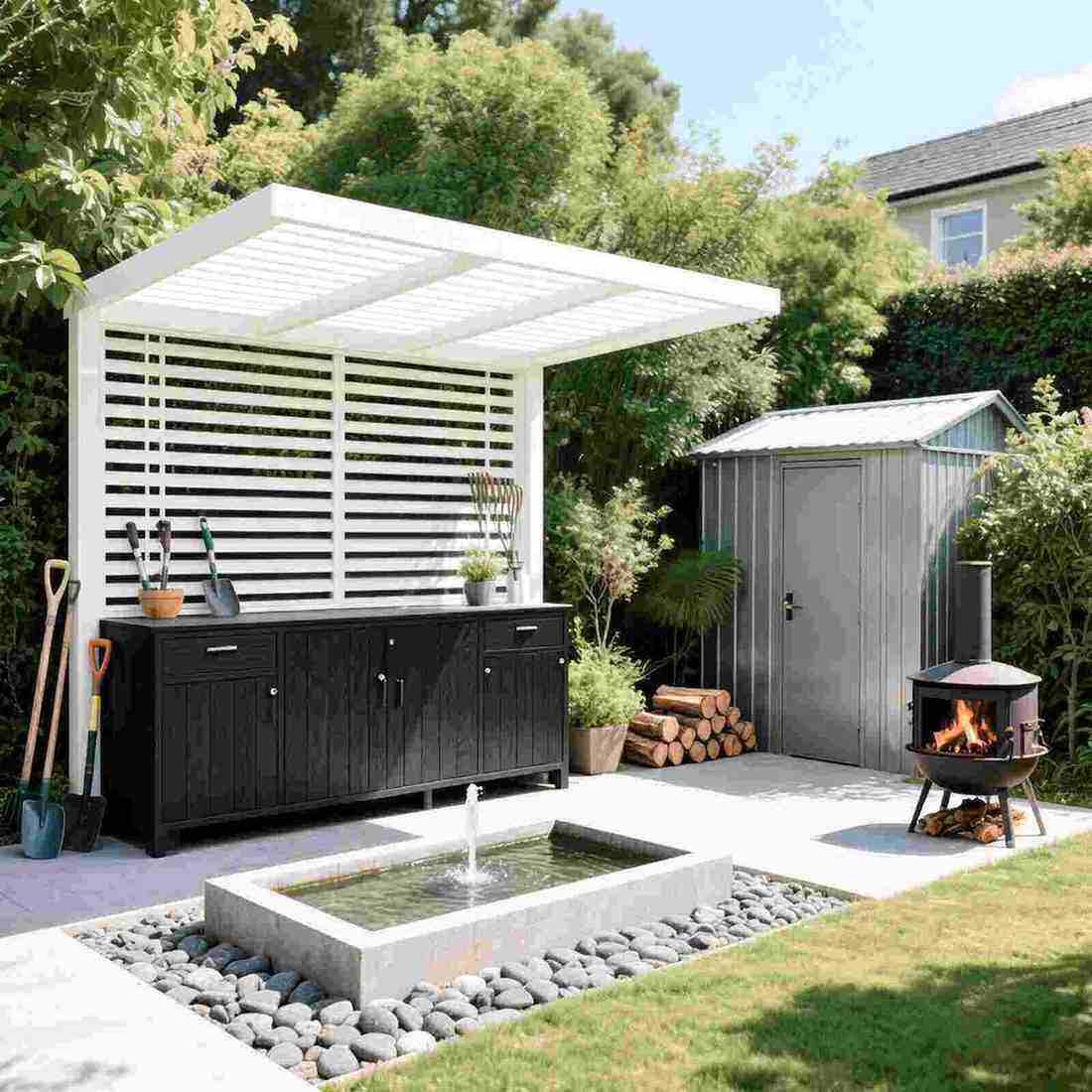
Based on the pathways, various features, such as flower stands, flower pots, shelves, tables, chairs, artificial hills, and small ponds, can be rationally arranged according to actual activities and aesthetic needs.
◇ Considerations of the Surrounding Environment
A small garden serves as a connection between its immediate surroundings and the external environment, as well as a transitional space between indoors and outdoors. Its design must fully consider the characteristics of the surrounding environment. Clever use of climbing plants, hanging flowers, and potted plants can effectively enhance the green atmosphere.
◇ Plant Arrangement Principles
Plant arrangement in a garden is a process that requires careful consideration. Clearly define the characteristics of the plants and their compatibility with the environment, and arrange them reasonably to meet both aesthetic and practical needs. Since there are many plant materials to choose from, the design of each garden must be based on its unique environmental characteristics and the owner's personal preferences and needs.
◇ Adapting to the Environment and Reasonable Layout
Before arranging plants, it is essential to understand the garden's soil properties, terrain features, light, and ventilation conditions. Based on this information, and considering the specific ecological needs of each plant, selection should be made.
◇ Multifunctional Application
Although small gardens have limited space, the selected plants can serve multiple functions. Considering the overall garden perspective while also taking into account the individual plants, it is recommended to choose materials that show good results in spring, summer, and autumn. To enjoy the fragrance of flowers both indoors and outdoors, you can create a fragrant garden, where you can plant fragrant plants such as roses, lilies, and osmanthus.
Subscribe To Our Newsletter
You Can Get The News Of Our Products
SIGN UP
Payment Methods