
 USD
USD GBP
GBP
 EUR
EUR
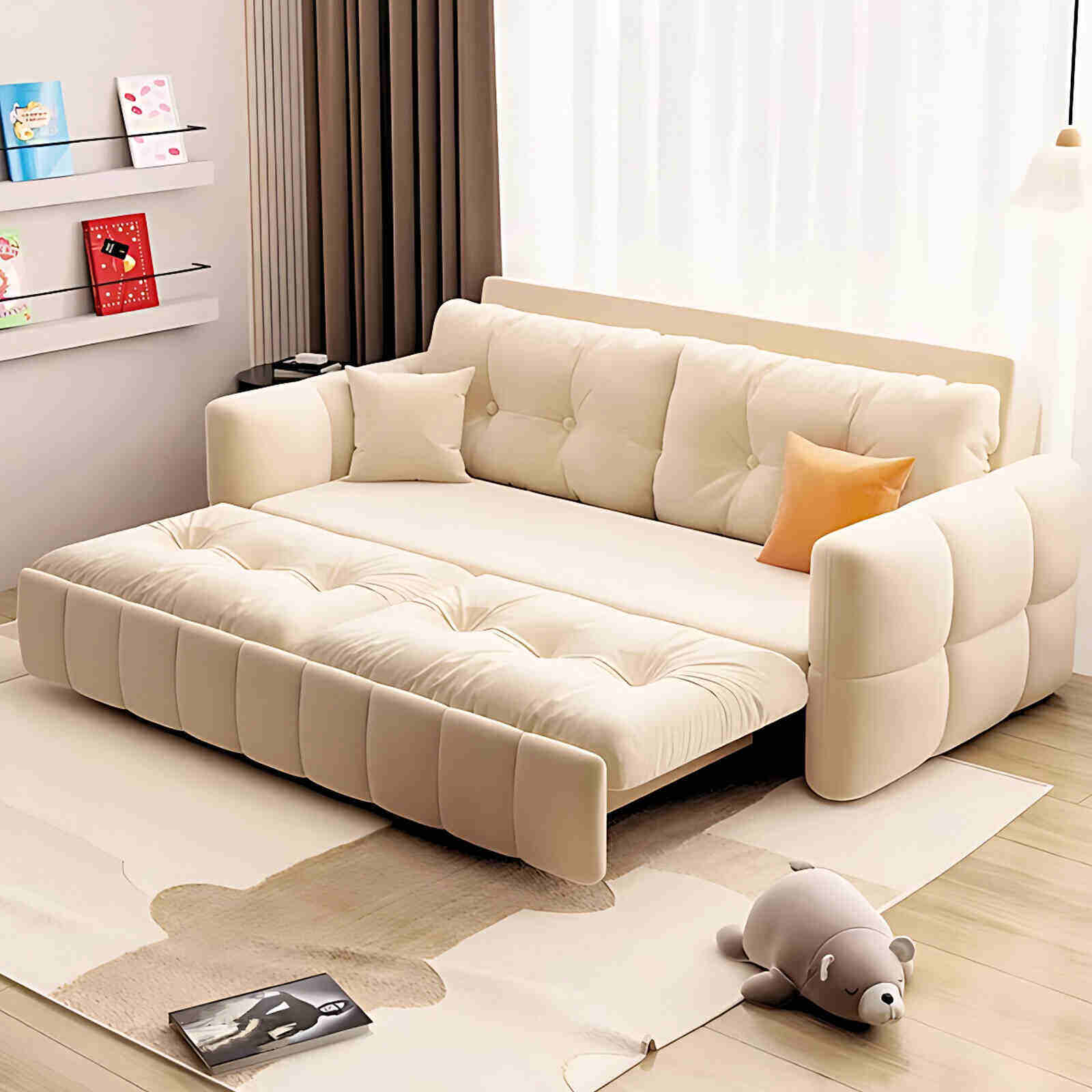
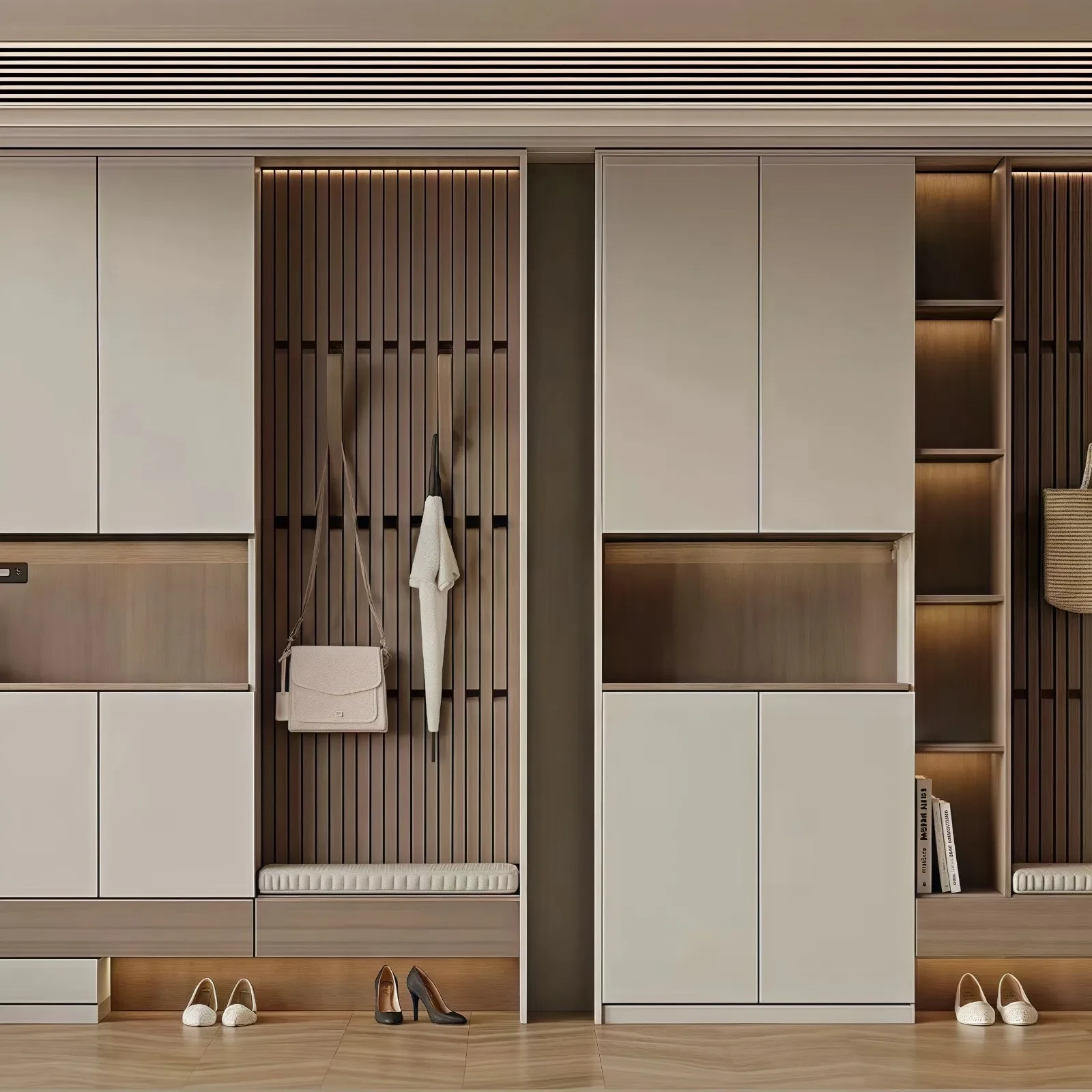
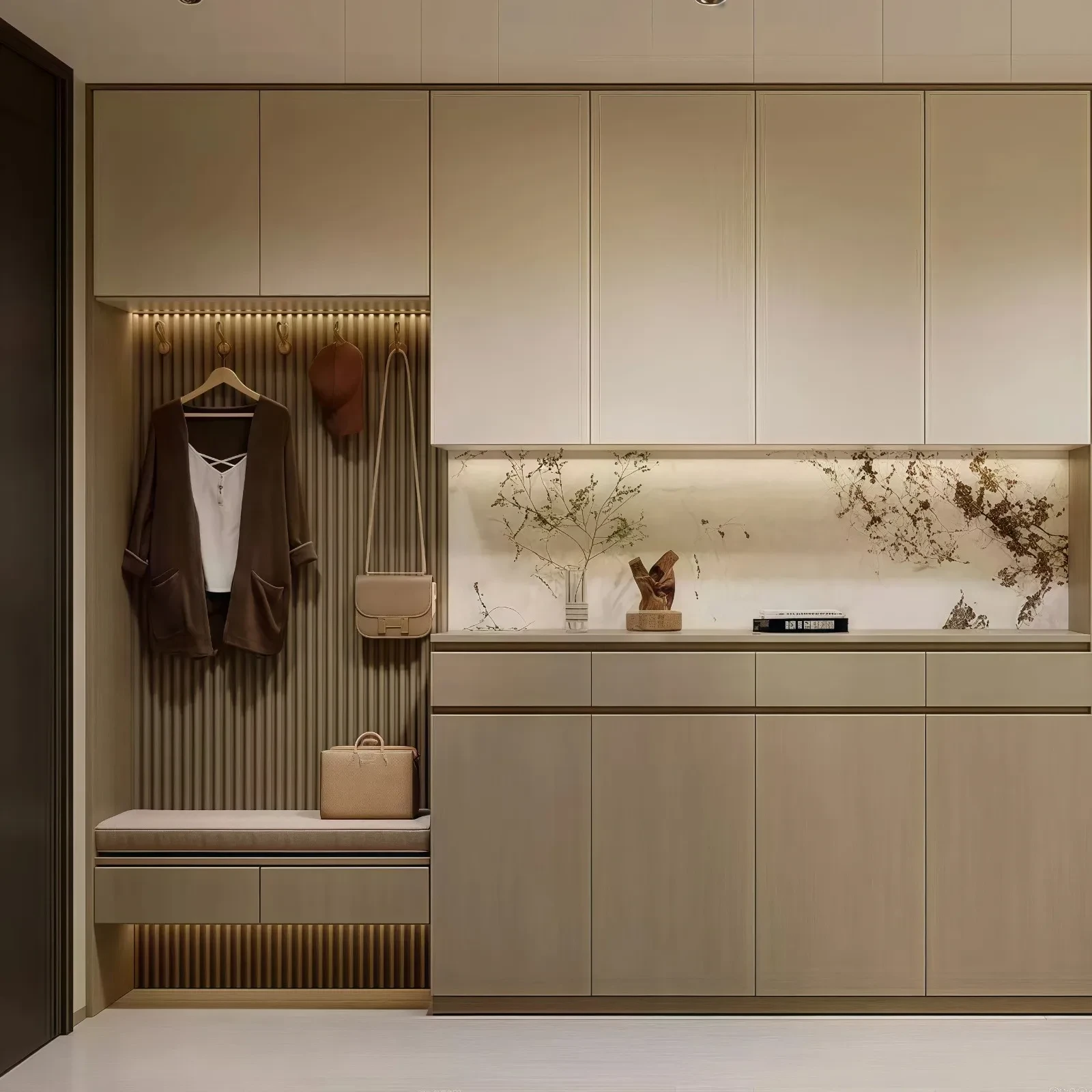
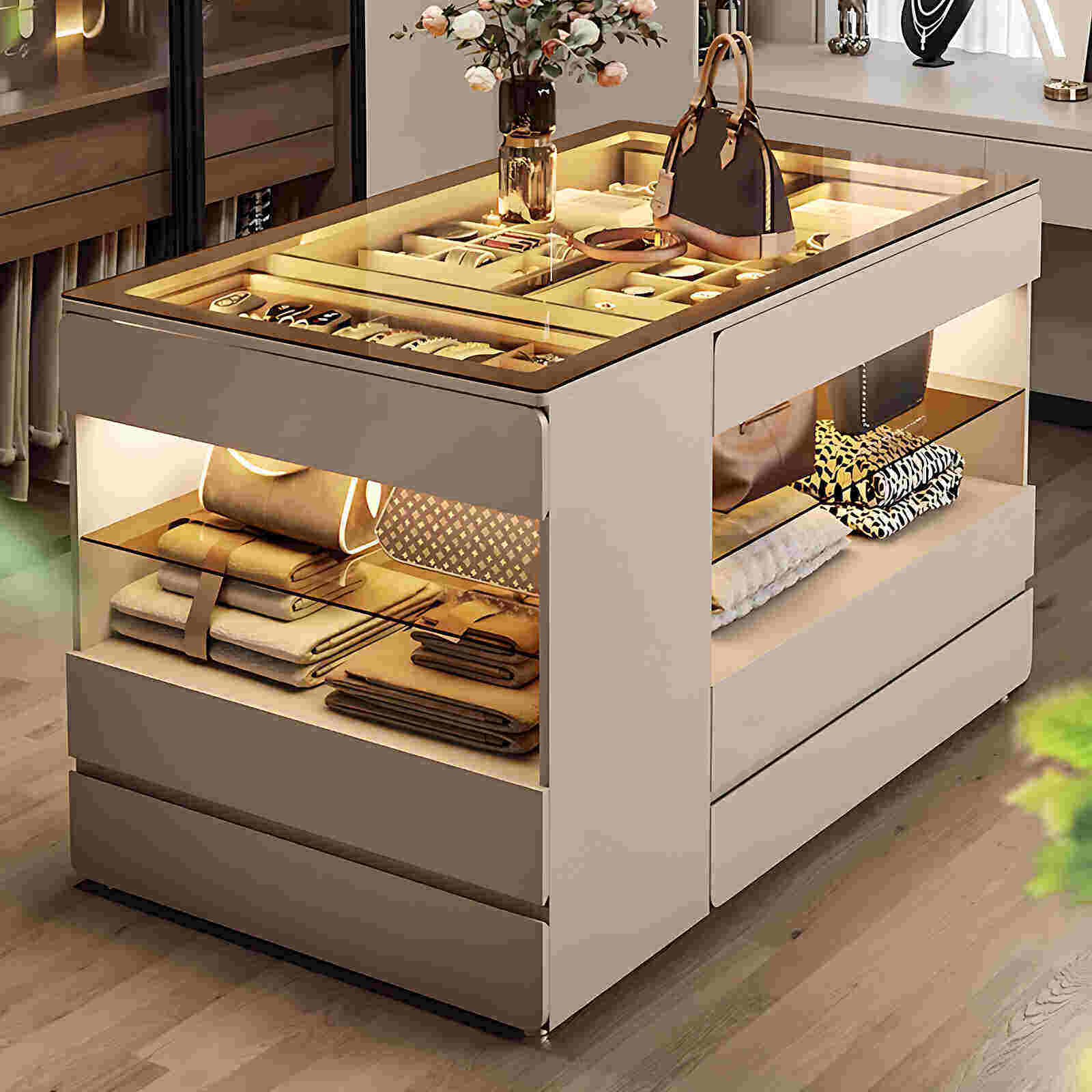
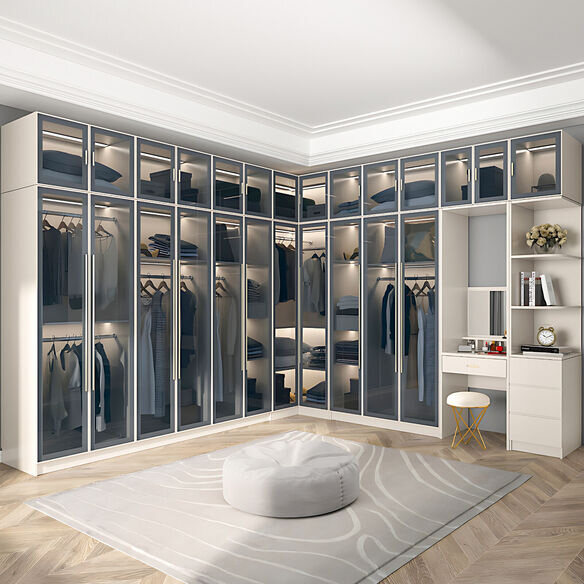
The New Bed Trend That's Replacing Tatami—Perfect for Small Bedrooms
Dec 05, 2025


When it comes to furnishing your bedroom, as well as organizing your wardrobe collection, knowing the difference between an armoire vs wardrobe becomes very important when making informed purchasing decisions according to your spatial needs and aesthetic desires. While many people use these terms interchangeably in casual conversation, there are distinct historical origins, structural characteristics, and functional differences that set these two pieces of furniture apart, making it crucial to understand what sets one piece apart from the other before investing in bedroom storage solutions.
Historical Context and the Origins of Culture
The armoire has deep roots in French traditions of furniture design, and the original piece of furniture, in fact, first appeared during the medieval period as an ornate freestanding piece of furniture made for storing the armament and weaponry of nobility and military officers.
As centuries went by and the needs of society changed, the armoire became an elegant storage solution for clothing and linens, retaining its characteristic grandiosity with elaborate carvings, decorative moldings, and the imposing weight of that wooden construction that expressed the values of artisanal workmanship of the European artisans.
Structural Design Elements and Features
When contrasting preferring an armoire vs wardrobe from a structural standpoint, some distinctions stand out at first glance to anyone who is shopping for bedroom furniture or performing interior design research.
Armoires traditionally have two large doors which open outwards to reveal an interior space containing hanging rods, shelves, drawers, and sometimes even mirror panels, which are housed within a single, often ornately decorated exterior cabinet that makes a statement piece in bedroom decor.
The construction of an armoire usually features material of solid wood, significant depth that projects considerably from the wall, decorative crown molding at the very top, and, at times, even curved legs or carved details to lift the piece both literally and aesthetically within the visual design scheme of a room in your home.
Functional Differences and Practical Application
The difference in function between these storage solutions goes beyond the terminology, which can affect the efficacy with which these pieces could function in various storage situations within the household, as well as in lifestyle requirements.
An armoire works extremely well as a stand-alone storage solution in bedrooms that do not have enough closet space, guest rooms that need the function of a closet temporarily, or homes that have architectural limitations that prevent your closet from being installed into the home structure, to provide a portable yet substantial storage solution that can move with homeowners during a transition in residence.
Space Considerations and Room Plan
Evaluating the armoire vs wardrobe question involves taking into account available floor space, ceiling height, room dimensions, and overall constraints on the layout that affect furniture placement and functionality.
Armoires generally require a large amount of floor space because of the depth of the unit and its door swing requirements, requiring a logical amount of space in front of the piece to get both doors completely open without obstruction from beds, dressers, and other furniture items now located within the bedroom environment.
The vertical focus of the traditional armoire design makes the pieces especially suited to rooms with high ceilings, where the large height makes the armchairs appear to enhance rather than dominate the room, although this same quality can render armchairs out of proportion in spaces with eight-foot ceilings or smaller dimensions.
Style Aesthetics to Interior Design Integration
The discussion of armoire vs wardrobe naturally flows into the realm of aesthetics and how each type of furniture adds to the overall ambiance, design cohesion, and aesthetics in residential spaces.
Armoires are traditionally synonymous with classic, traditional, or vintage-inspired interior design. Their ornate details, rich wood finishes, and imposing presence complement other period furniture to create harmonious, cohesive bedroom spaces that celebrate historic craftsmanship and timeless elegance.
The decorative elements frequently found on the surface of armoires, such as carved panels, brass hardware, inlaid wood designs, and architectural crown molding, make these pieces of furniture focal points, drawing attention and anchoring bedroom design instead of serving as a functional element of the room that will fade into the background.
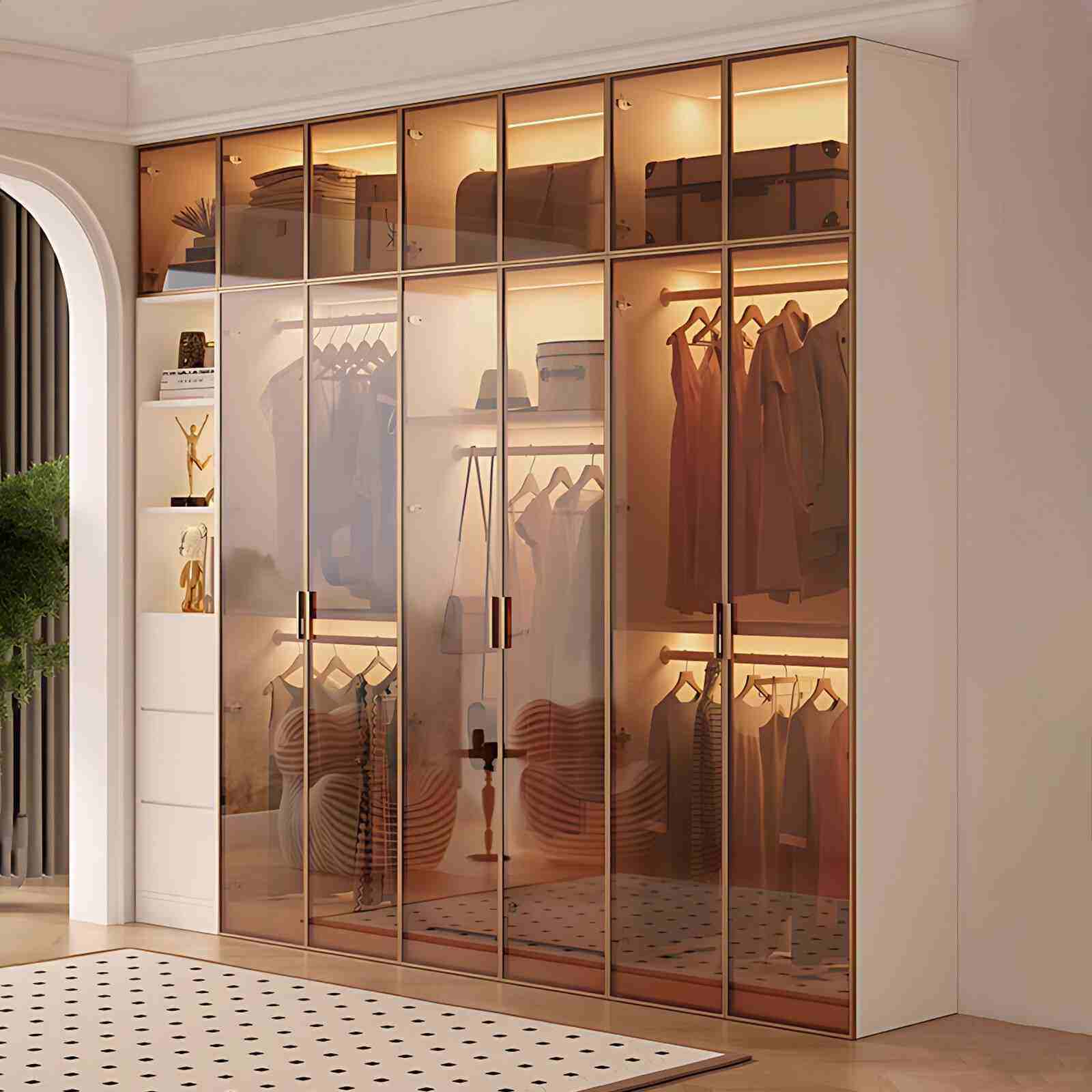
Gold Custom Wardrobes with Translucent Striped Storage Function Armoire:Get the bedroom of your dreams in this high-quality gold-finished wardrobe with shimmering doors made of clear glass. The striped pattern provides an aesthetic appearance, which is elegant and hazy, but at the same time practical to any interior space.
Recommendation
For homeowners looking for wardrobe solutions designed by experts that will offer functionality and aesthetic appeal, Suncharm provides complete storage solutions that meet contemporary organization needs while retaining quality construction standards. Our wardrobe collections include versatile design ideas, customizable interior schemes, and materials chosen with durability and visual impact in mind, offering storage solutions that are suitable for a wide range of residential applications and interior design preferences.
Subscribe To Our Newsletter
You Can Get The News Of Our Products
SIGN UP
Payment Methods