
 USD
USD GBP
GBP
 EUR
EUR
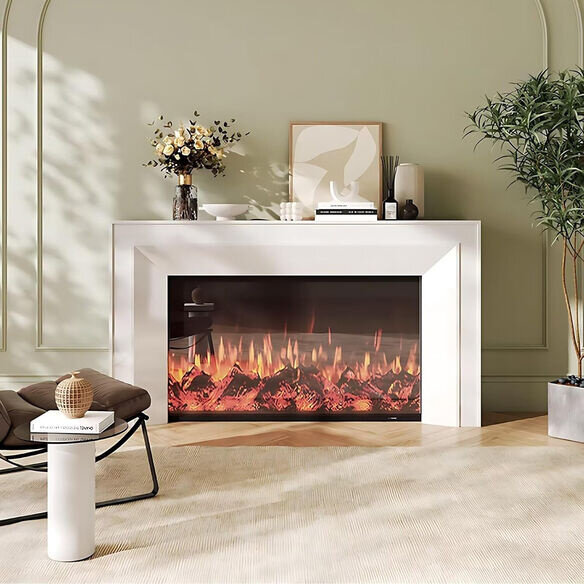
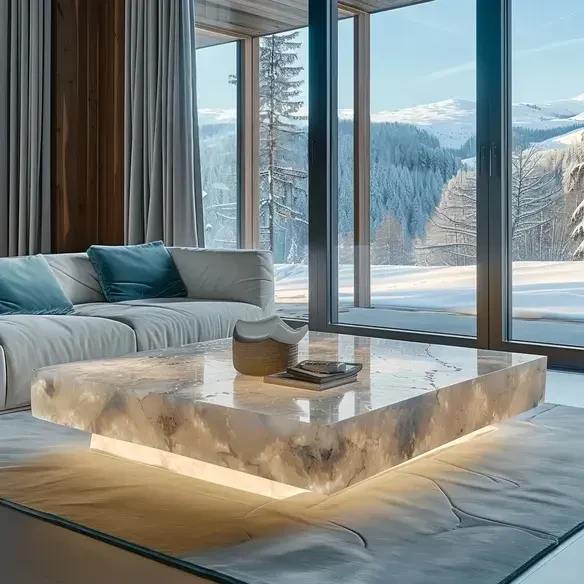
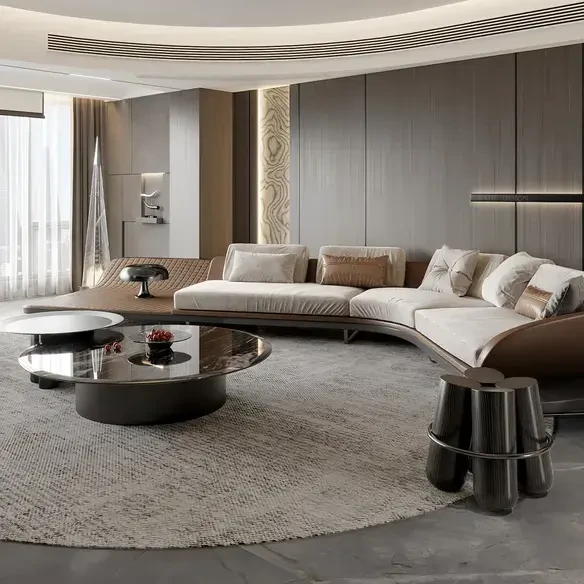
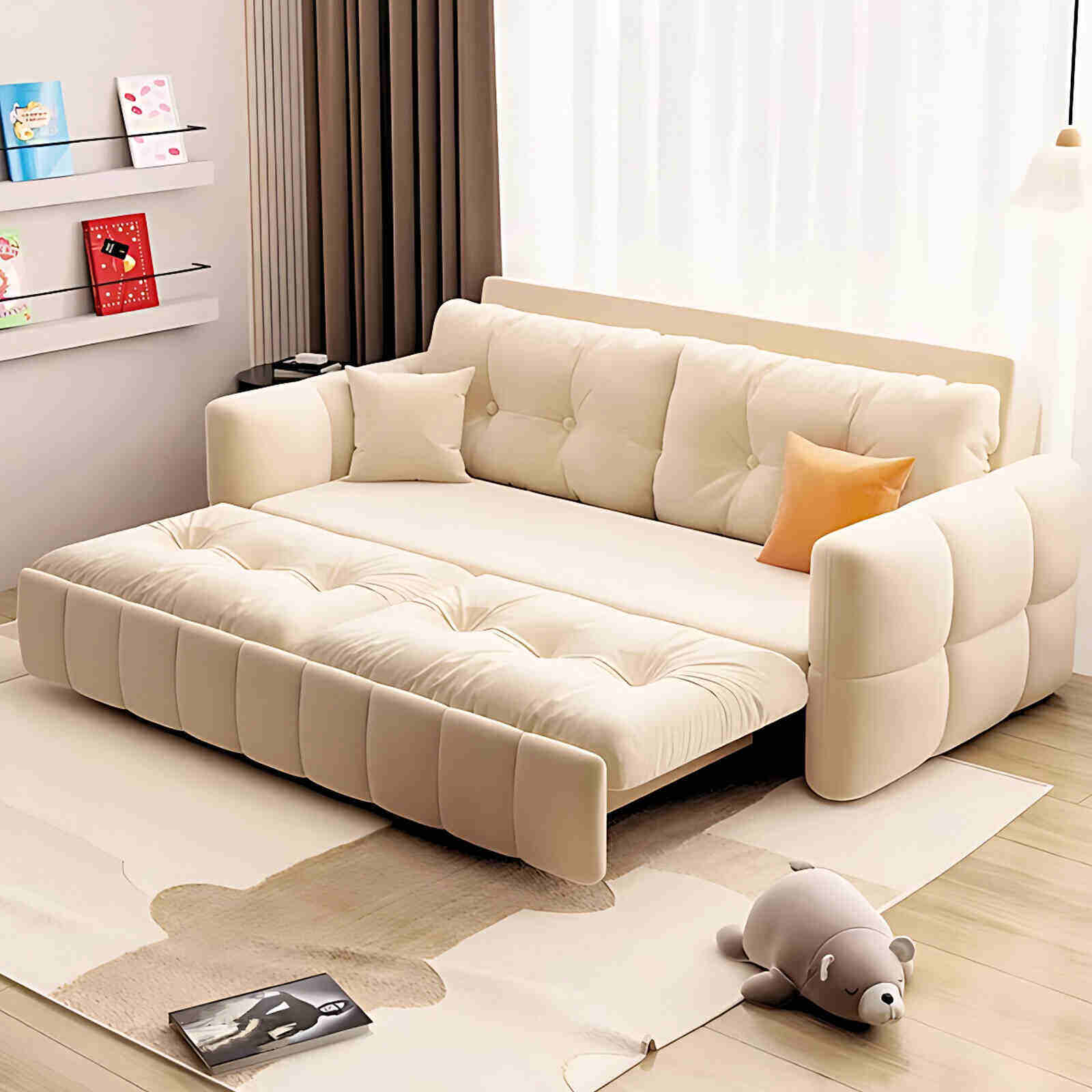



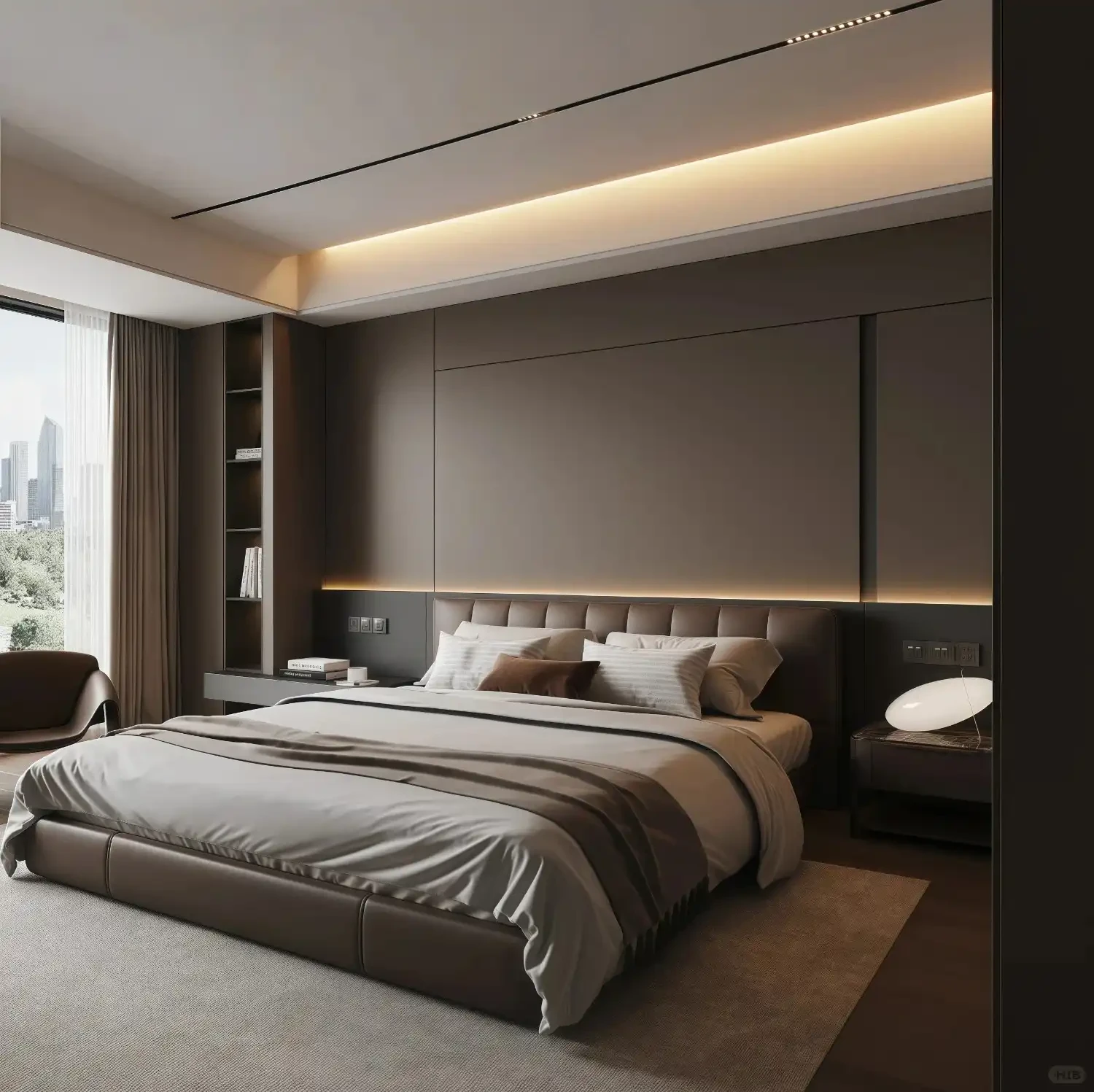

A Beautiful Bedroom Design That's Simple, Cozy, and Comfortably Minimalist
Dec 11, 2025


Owning a private garden, furnished with comfortable tables and chairs and planted with your favorite flowers and plants, is undoubtedly the dream of many. However, a beautiful garden is not built overnight; the journey to your dream garden involves a process from conception to implementation. Any garden requires thorough design before decoration and construction begin. Following the principle of "design first, then build" is key to creating your ideal garden. So, how exactly do you design a garden? Next, we will share some suggestions on garden design to help you along the way.
Clarify Needs and Functions
Before starting to plan your garden, the first task is to clarify your needs and the expected functions of the garden. Gardens typically serve multiple purposes, including relaxation, dining, and entertainment. Therefore, clearly defining these functions will help you create a reasonable spatial layout. Before starting the design, make sure you have fully considered and determined these needs.
If you want to enjoy meals in your garden, then you should plan a comfortable outdoor dining area in advance. If you have children, be sure to design a safe and fun play area for them. If you are passionate about growing fruits and vegetables, a suitable vegetable garden is essential. And if you love keeping and fishing for fish, a spacious pond will meet your needs. In short, at the beginning of the design process, you should thoroughly understand the specific needs of each family member to ensure that you plan a garden layout that meets everyone's expectations.
Carefully Plan Functional Areas
After clarifying your needs, the next step is to plan the functional zones of your garden. Imagine your garden as an outdoor multi-functional space, containing multiple areas, each serving a different function, some similar to the functional layout of indoor spaces. For example, you can plan an entrance area for easy access for guests; garden paths to provide comfortable walkways; and an entertainment area for family members to relax and have fun; of course, a relaxation area, water features, an outdoor kitchen, and planting areas are also indispensable elements. By carefully planning these functional areas, your garden will become more diverse and meet the various needs of your family members. Entrance Area Design
The entrance area, as the transitional space connecting the interior and exterior, plays a crucial role. It effectively separates the front yard from the community's driveway, creating a private and tranquil entrance environment for residents. During planning, elements such as low walls, fences, or plants can be cleverly used to create a sense of enclosure in the front yard, making it a safe and comfortable welcoming space.
Garden Path Design
When designing garden paths, the clever arrangement of ornamental trees, seasonal flowers, sculptures, and water features can add more enjoyment and visual appeal to the walkways. To ensure safety and convenience, the slope of the garden paths should be kept within 5%, and they should be at least 2 meters wide to comfortably accommodate two people walking side-by-side.
Entertainment Area Design Considerations
When planning the entertainment area, the primary task is to establish appropriate proportions and scale. Reasonable spatial proportions ensure the smooth functioning of the area, meeting the needs of gatherings and events, while avoiding the negative impact of a long and narrow space on the user experience.
The leisure area, as a place for relaxation, is not defined by its size, but rather by its ability to allow people to freely immerse themselves in personal activities. The leisure area can be flexibly designed in various forms, such as a viewing area, a bar area, or a sunroom, to meet the diverse leisure needs of different people.
When creating a leisure space in the garden, it's advisable to place the leisure area on level ground with a slight slope to ensure good drainage. Attention should also be paid to the distance from surrounding trees and shrubs to ensure the comfort and safety of the leisure space.
Lawn areas are often considered an ideal choice for creating leisure spaces. The boundaries of the lawn can be defined using ground cover plants, shrubs, trees, or fences and walls.
Water Features
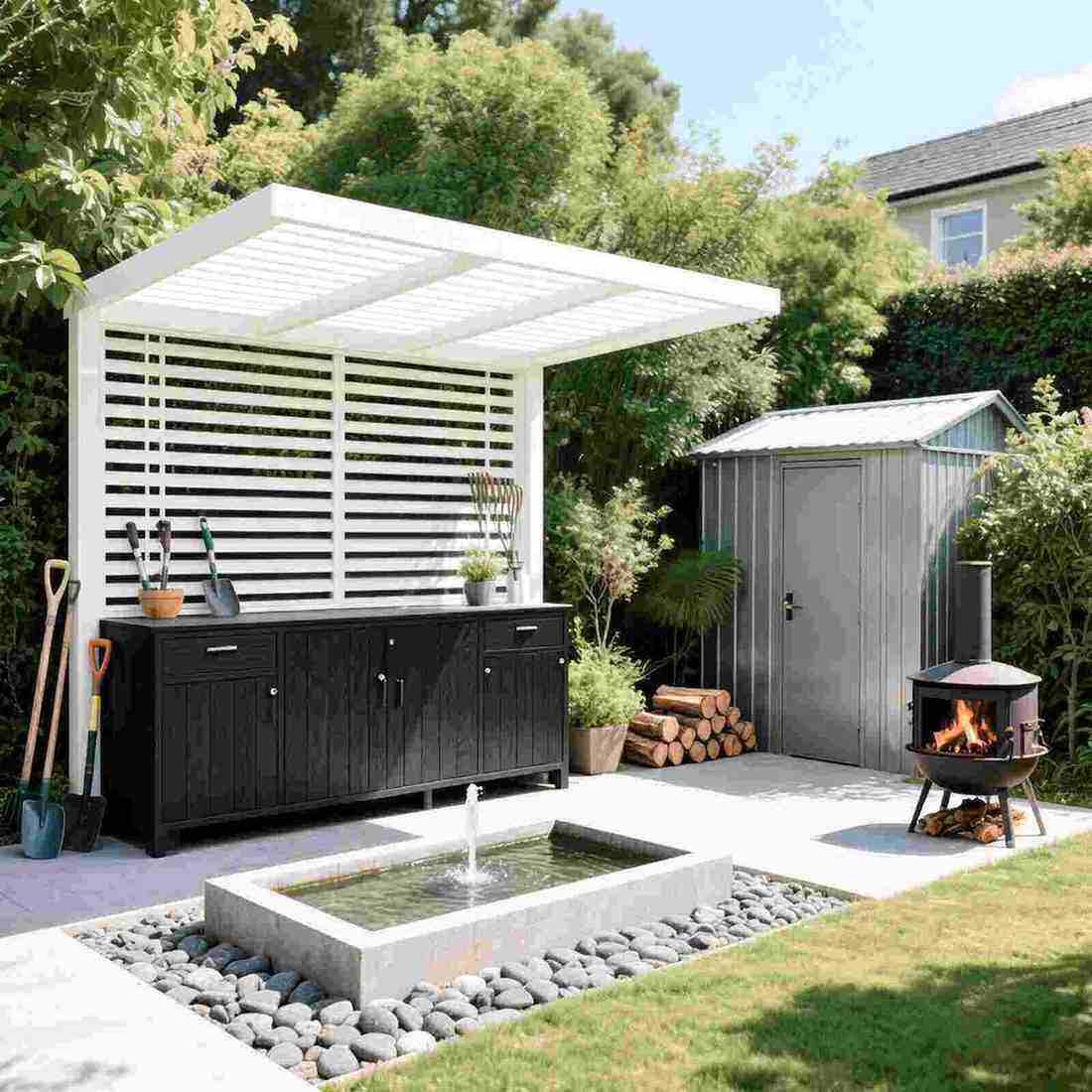
Water, as a soul element in the garden, always occupies an indispensable and important position. It is the presence of water that injects life and vitality into the garden space, making it dynamic and full of charm. Water features in courtyards come in various forms, differing in size, movement, and style. Small, independent sculptural water features, such as rock gardens and small fountains, are often carefully placed as visual focal points in the garden, attracting attention. Still water features, such as ponds and pools, with their tranquil nature and simple lines, easily draw the eye and are relatively easy to install and maintain. Flowing water features, such as streams and fountains, bring a dynamic element to the garden, adding life and vitality. When choosing water features, we must consider factors such as the available space in the garden, terrain conditions, personal preferences for aquatic plants, and whether it is suitable for keeping fish.
Outdoor Kitchen
The feeling of closeness to nature is something everyone finds irresistible. Designing an outdoor kitchen in the garden is not only an expression of love for nature but also an ideal choice for spending quality time with family and friends. Here, you can enjoy the warm sunshine of the garden and the pleasure of cooking and dining in an open-air space with loved ones—an experience that cannot be replicated in an indoor kitchen. Of course, when creating such a space, we need to follow some basic guidelines. First, it should be located between the indoor dining area and the outdoor dining space, facilitating movement and interaction. Second, this space needs to be equipped with a spacious countertop or surface so that we can easily place ingredients and cooking utensils.
The design of the planting area also requires careful consideration. To create a harmonious garden atmosphere, we need to carefully arrange the plants, ensuring that they have a sense of overall unity visually, rather than a chaotic jumble of plants. In this way, the planting area can provide a beautiful backdrop for the entire garden, adding a natural and tranquil atmosphere.
The planting area should be located on flat ground with fertile soil and good drainage. To add a touch of mystery, shrubs, fences, or walls can be used to cleverly conceal the garden, creating a hazy and charming beauty.
Choosing Suitable Plants
Plants are to a garden what clothing is to a person; they not only add color and interest but also bring the space to life. When choosing plants, be sure to consider the garden's lighting conditions, as well as the time, energy, and financial resources you can invest. These factors will directly affect the types of plants you can choose. If your yard has limited sunlight, we recommend choosing plants that thrive in partial shade, such as foliage plants. If you don't have much time to dedicate to gardening, consider planting low-maintenance, drought-tolerant, and cold-hardy plants, such as succulents, which will meet your needs.
Carefully Coordinate Colors
Besides plant selection, the color scheme of your garden is equally important. Plant colors are a key element in creating the emotional atmosphere of your garden. Through clever combinations, you can create a vibrant landscape while giving the environment a unique character.
Garden plant colors can be expressed in many ways, including monochromatic, complementary, and analogous color combinations. Plants with similar colors create a harmonious and unified overall feel; complementary colors create a striking contrast and a strong visual impact, leaving a lasting impression. Analogous colors, on the other hand, are more subtle, creating a gentle transition in color and a soothing and peaceful feeling.
Carefully Design Your Garden Plan
After thoroughly understanding your expectations for your garden, you can begin planning the design. The first task is to define the central theme and unique style of your yard, so you can select plants and materials that best fit the theme, ensuring a harmonious and unified overall design. The design plan can be conceived by you personally or entrusted to a professional garden designer. An excellent designer, with their professional knowledge, can delve into the characteristics of the site and create a garden that is both aesthetically pleasing and practical, and meets the owner's expectations.
Carefully Plan and Design to Create Your Ideal Garden
Now that you've grasped these key suggestions, are you eager to create your dream garden? In fact, designing a satisfying garden is not out of reach. As long as you plan carefully in advance and grasp the key points of the design, a beautiful garden life is within your reach.
Subscribe To Our Newsletter
You Can Get The News Of Our Products
SIGN UP
Payment Methods