
 USD
USD GBP
GBP
 EUR
EUR
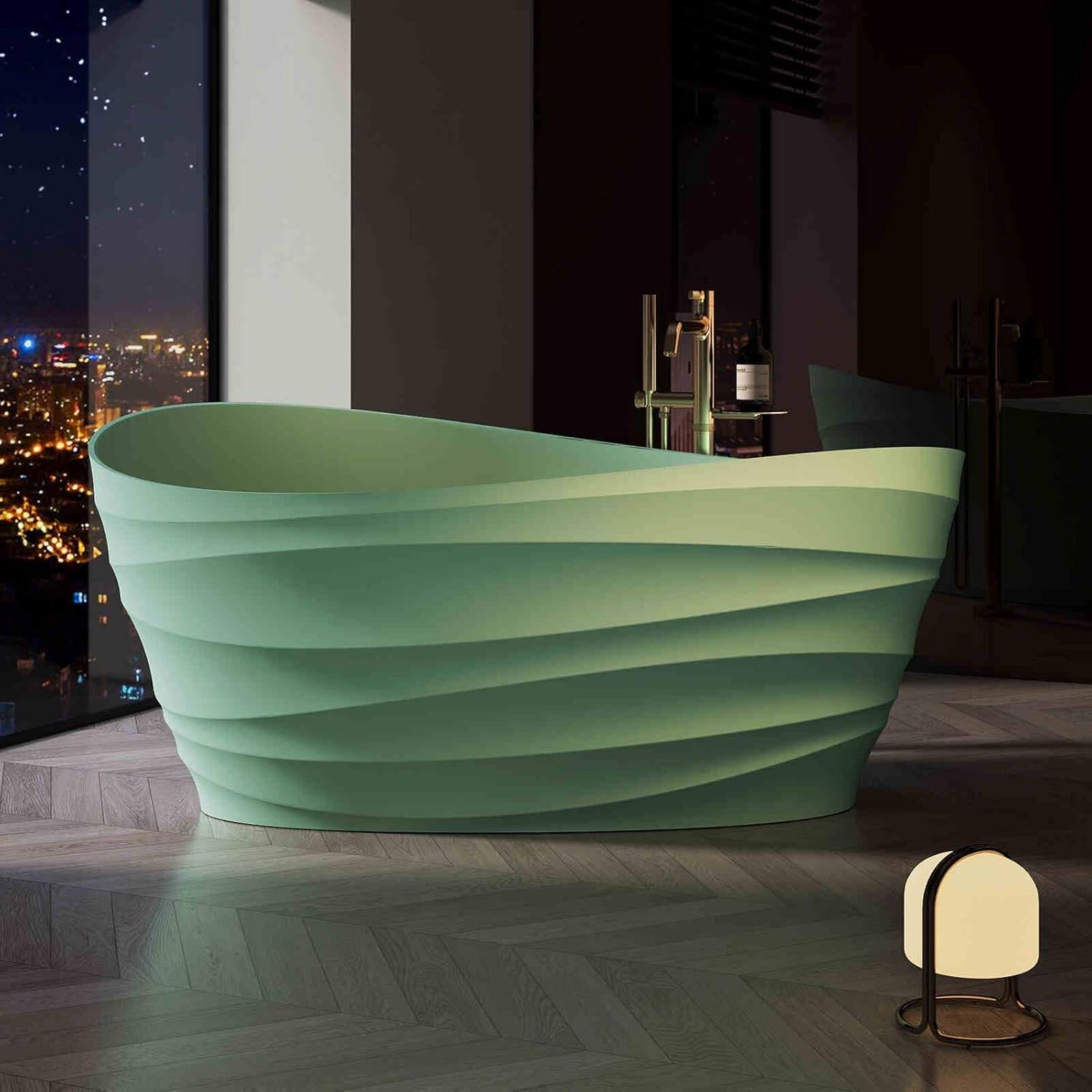
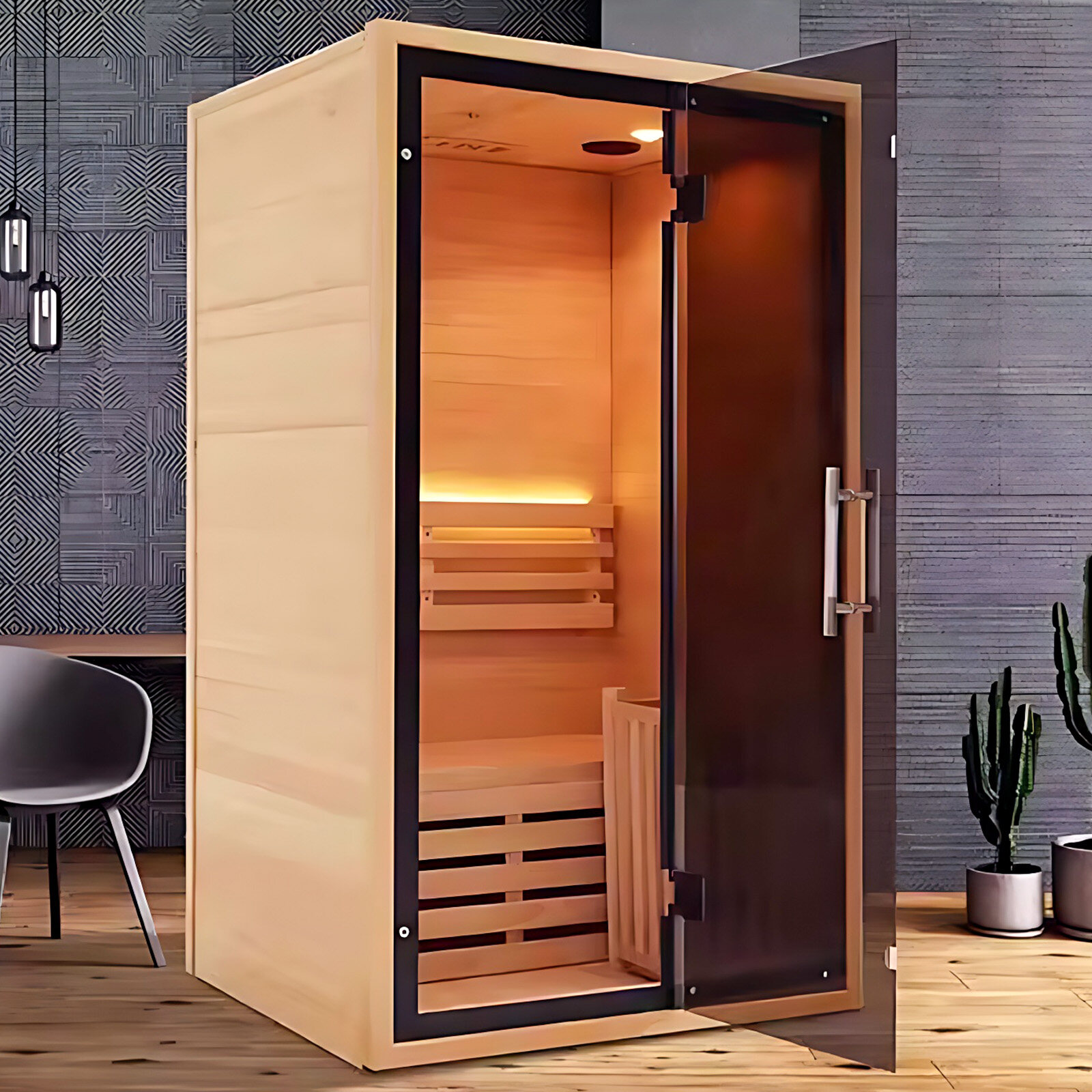
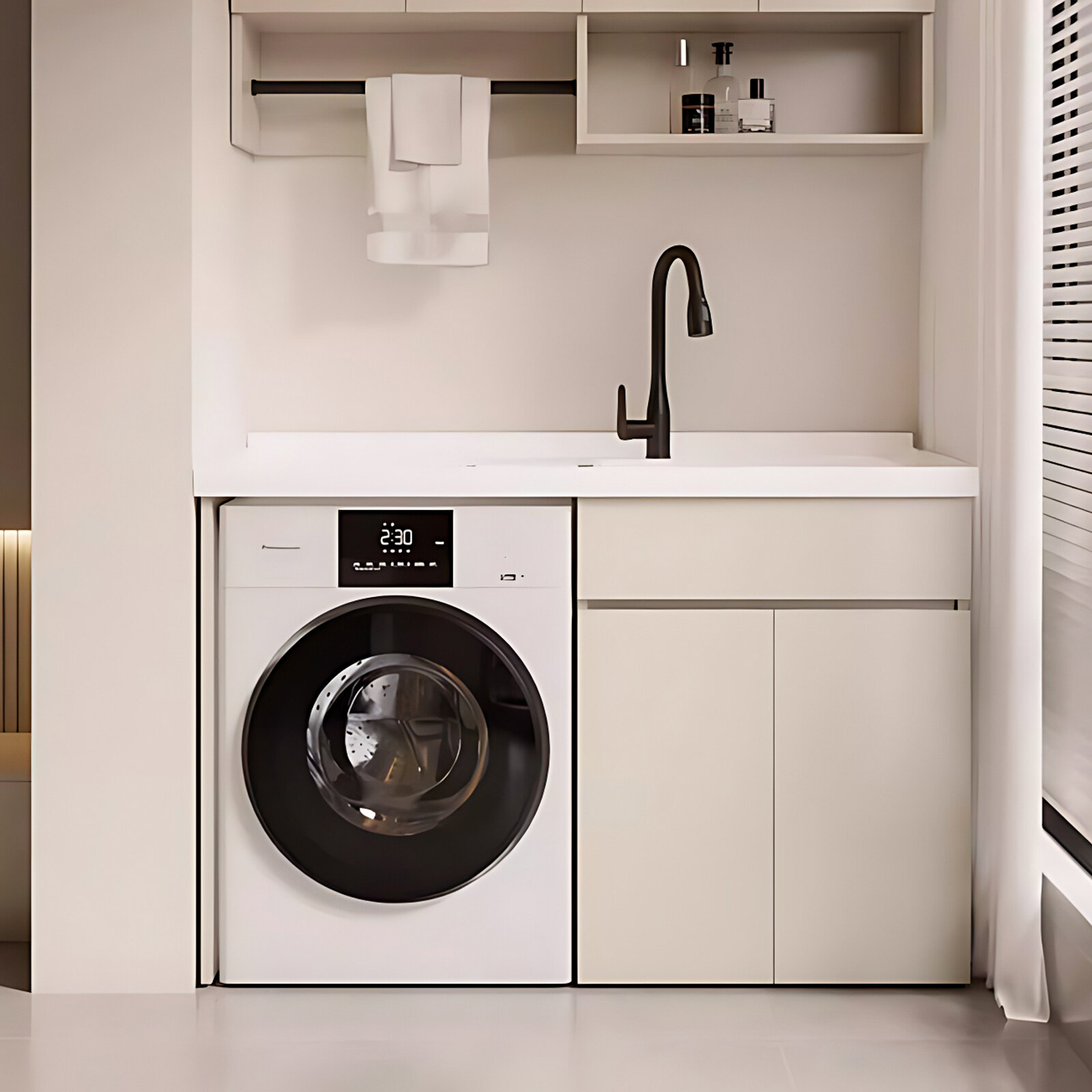
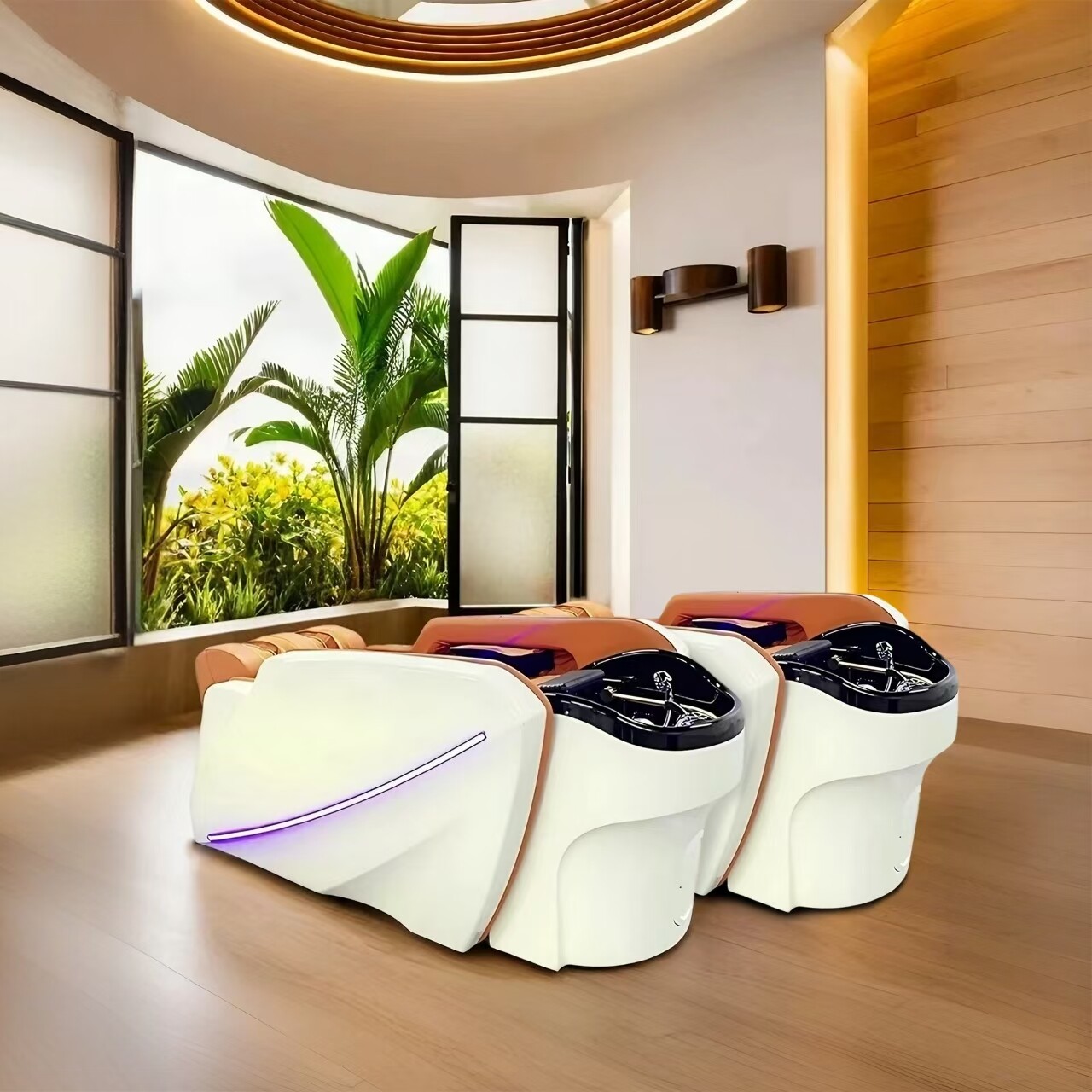
Transform Your Space: Ideas for Bathroom Remodel
Aug 14, 2025


A dressing room is a vital component of your home. It not only serves as a place to store clothes, shoes, and other items, but also serves as a vital showcase for your personal taste and style.
How to design a dressing room that is both attractive and practical is a challenge many people face. Below, we'll provide a detailed analysis of how to create a perfect dressing room, focusing on design concepts, layout, storage, lighting, and dust protection.
I.Design Concept
A successful dressing room design begins with establishing a clear design concept. This requires considering your personal needs and tastes, as well as the size and shape of the room.
Generally speaking, dressing room design should adhere to the following principles:
1. Functionality: The dressing room should be convenient for daily use and suit your storage habits and needs.
2. Aesthetics: The dressing room should blend in with the overall style of your home and showcase your taste and style.
3. Environmental sustainability: Choose environmentally friendly materials and furniture to ensure a healthy and safe dressing room. 4. Sustainability: The design should consider future flexibility to accommodate family growth and changes.
II. Layout
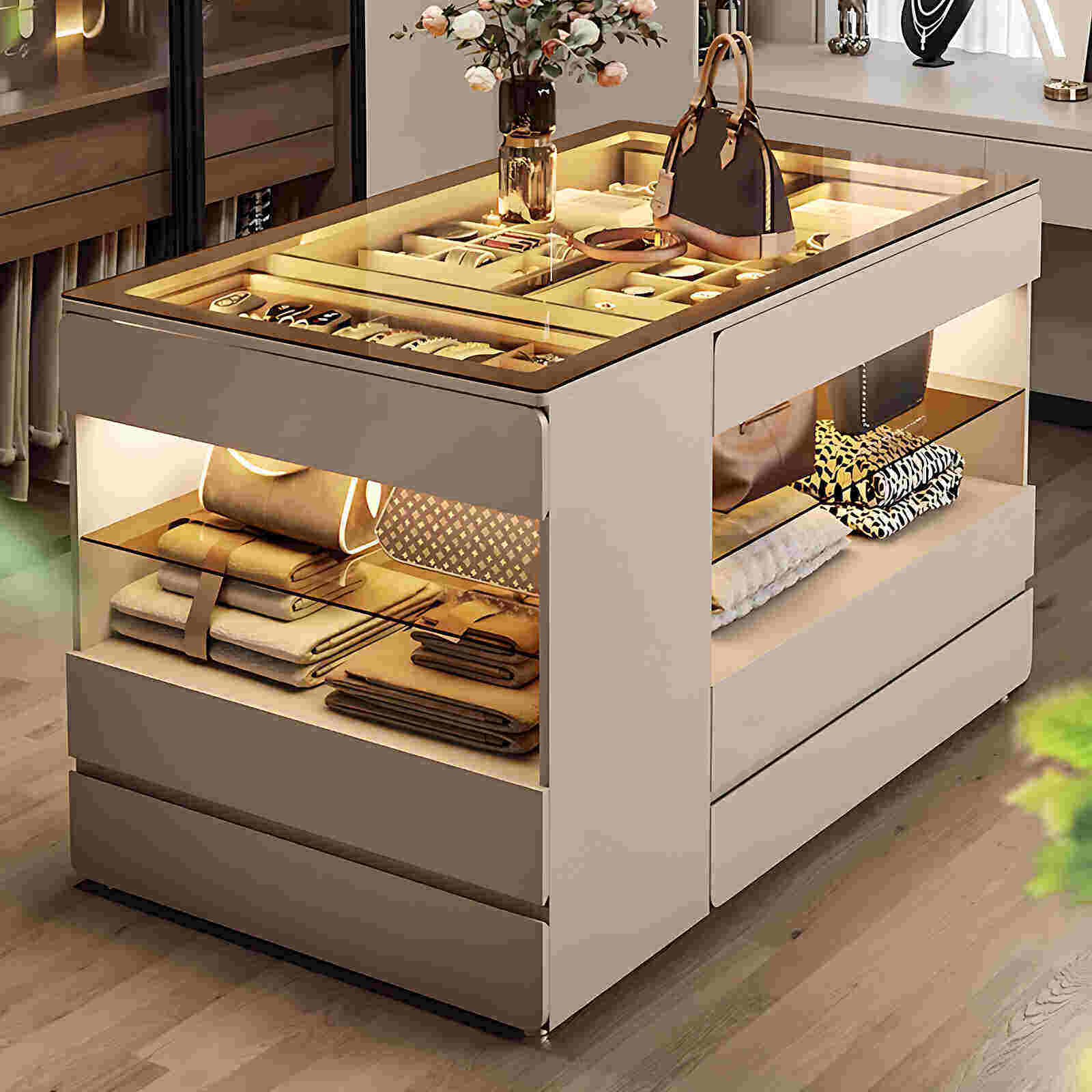
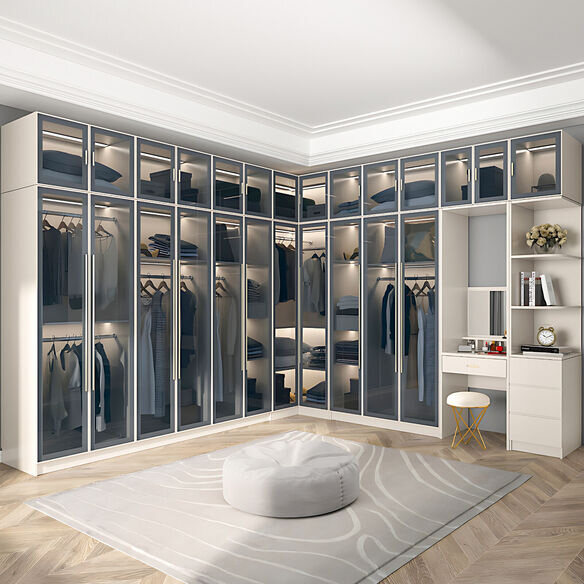
The layout of a closet is a key design aspect. Common layouts include linear, L-shaped, U-shaped, and island. Choosing the right layout depends on the shape and size of the closet, as well as your needs.
For example, a linear layout is most suitable for rectangular or square spaces, effectively utilizing the space. For larger closets, a U-shaped layout provides more storage space and convenient circulation.
III. Storage
Storage is the core function of a closet. A well-designed storage system can improve space utilization and make it easier to find what you need.
When designing a storage system, categorize items such as clothing, shoes, and hats by type and frequency of use, and select appropriate storage methods and furniture.
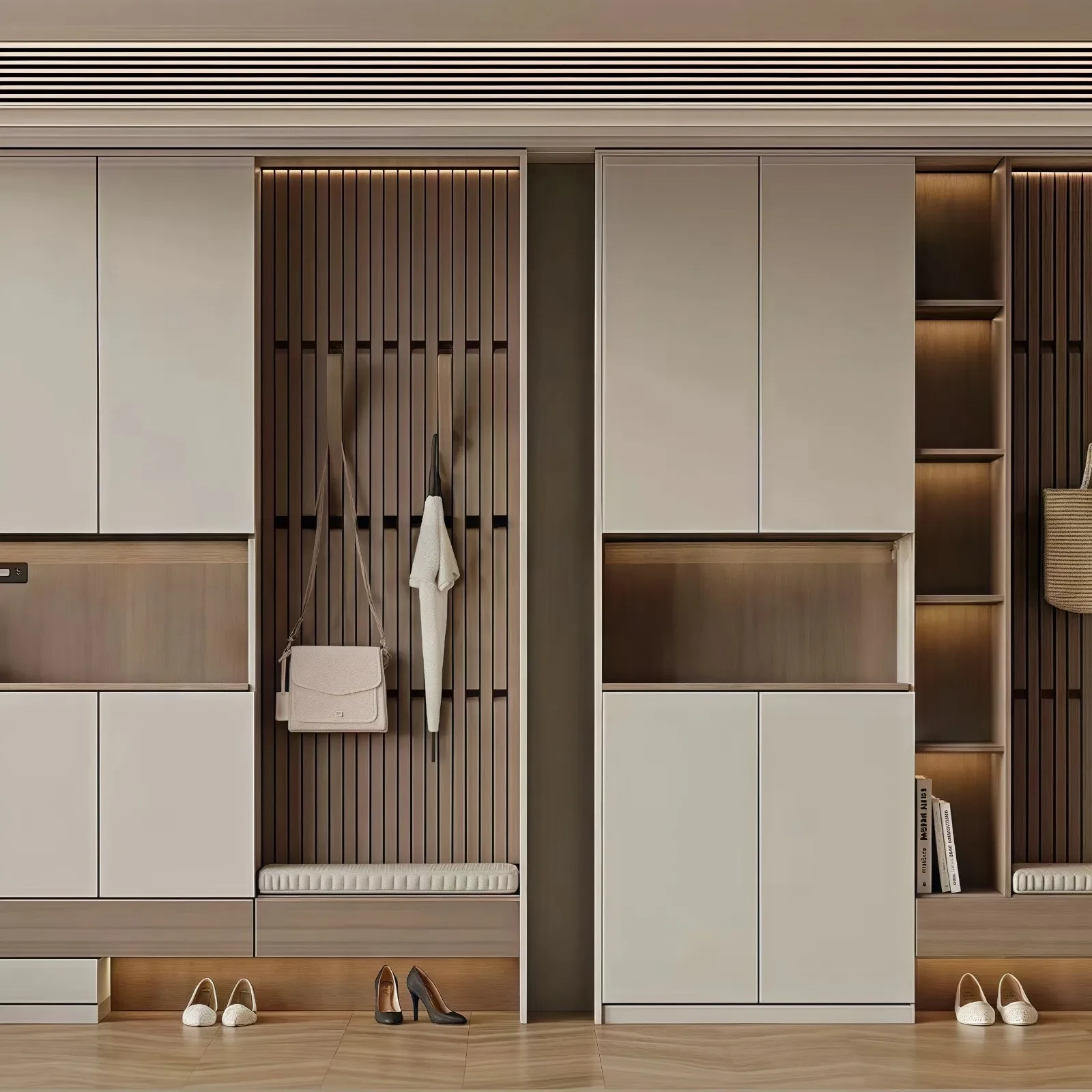
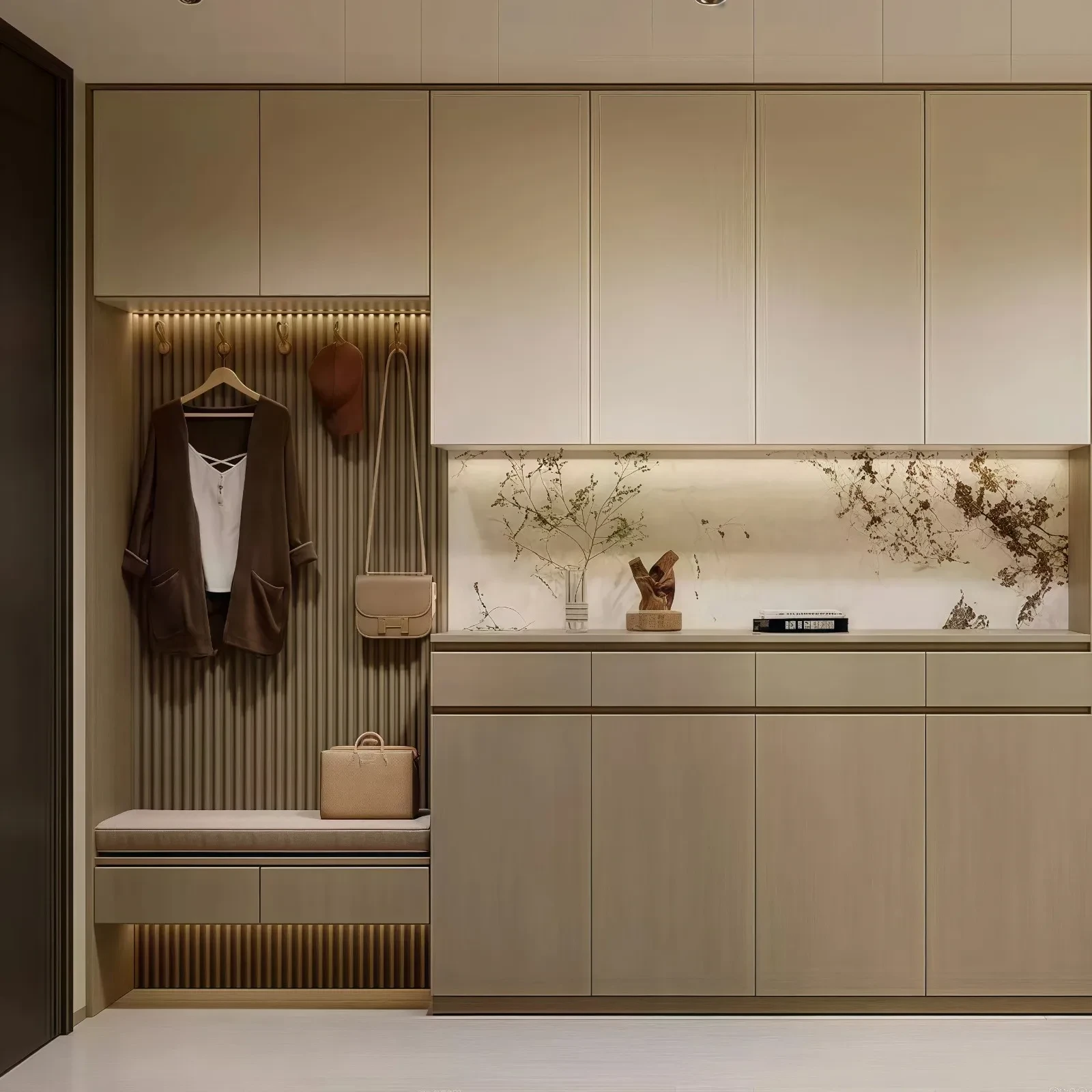
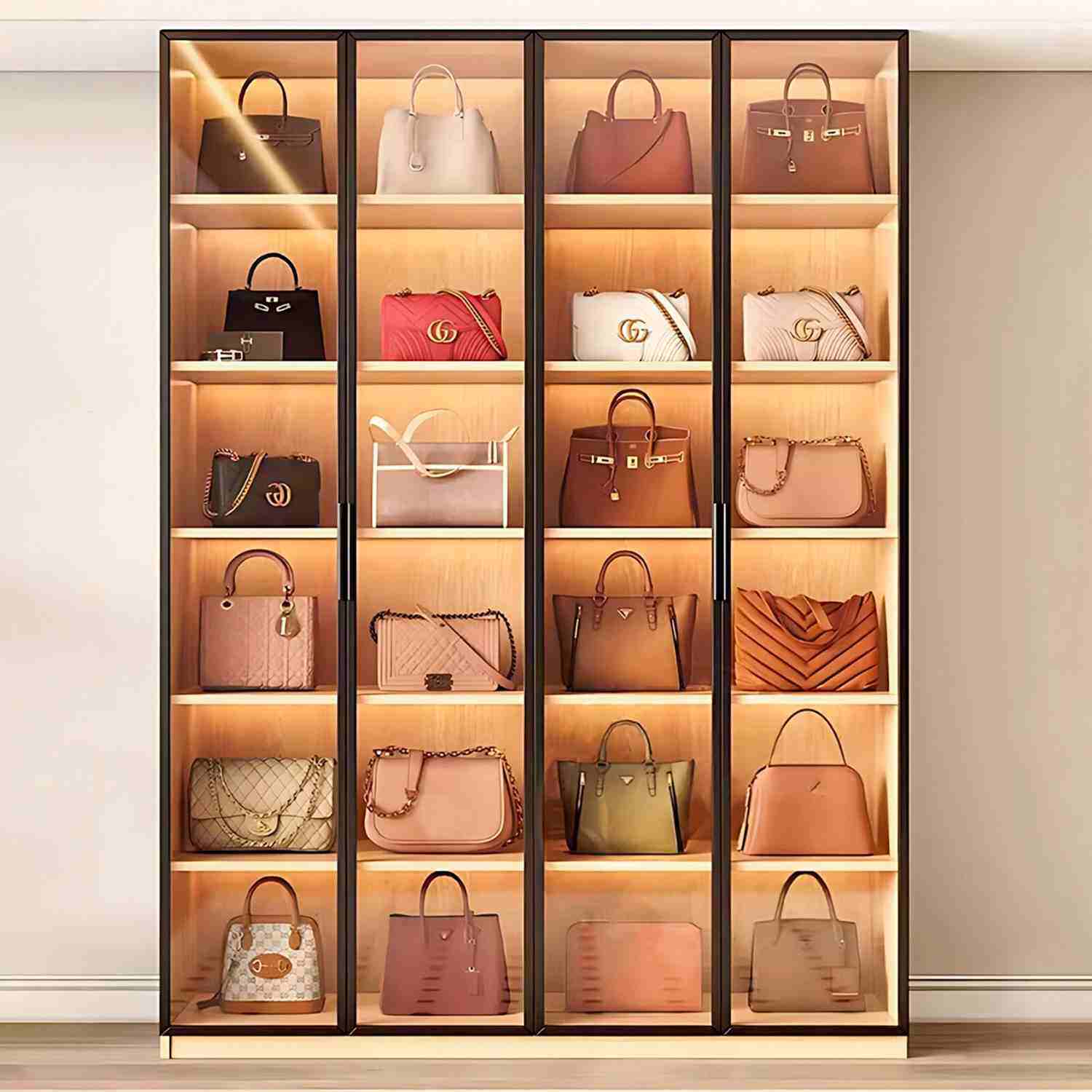
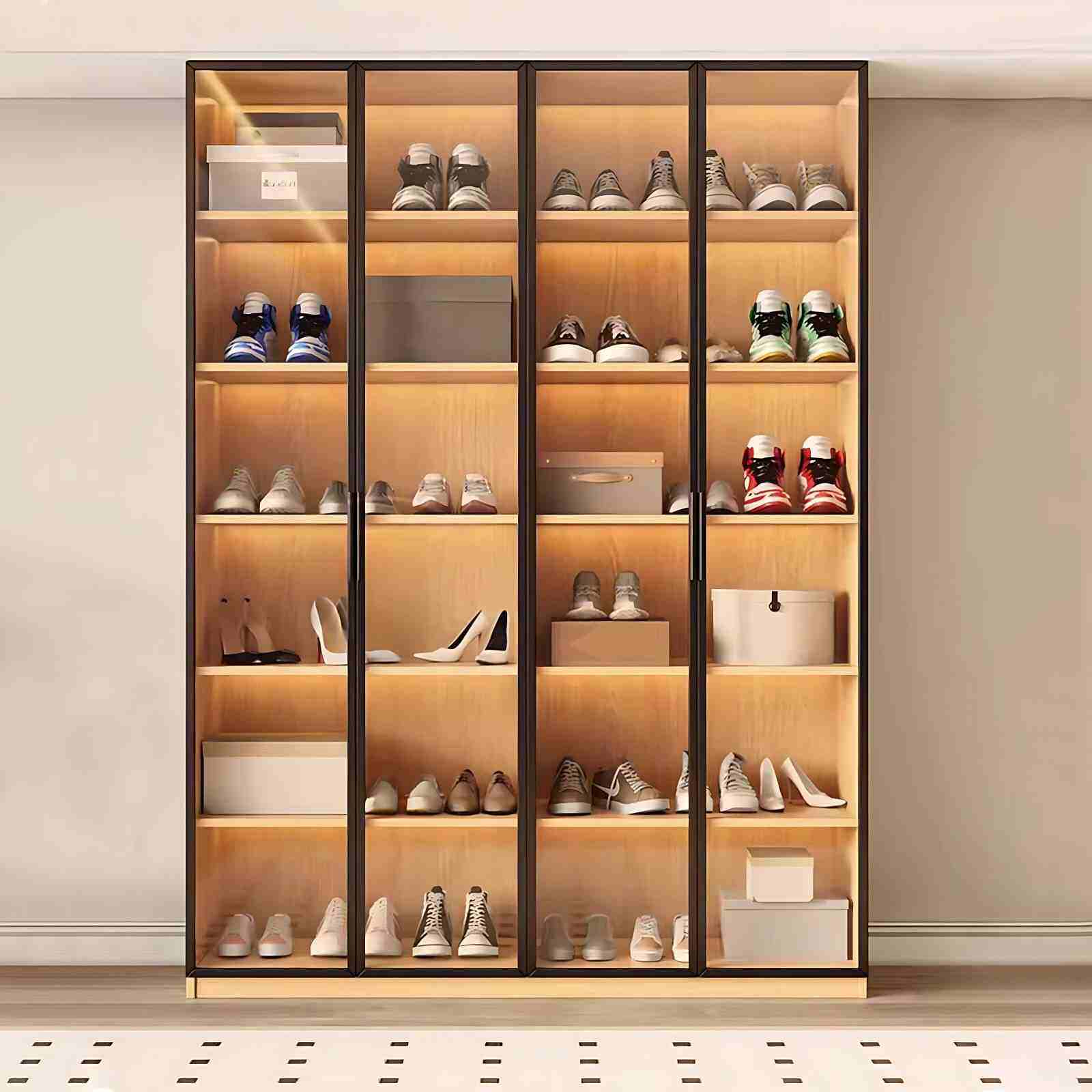
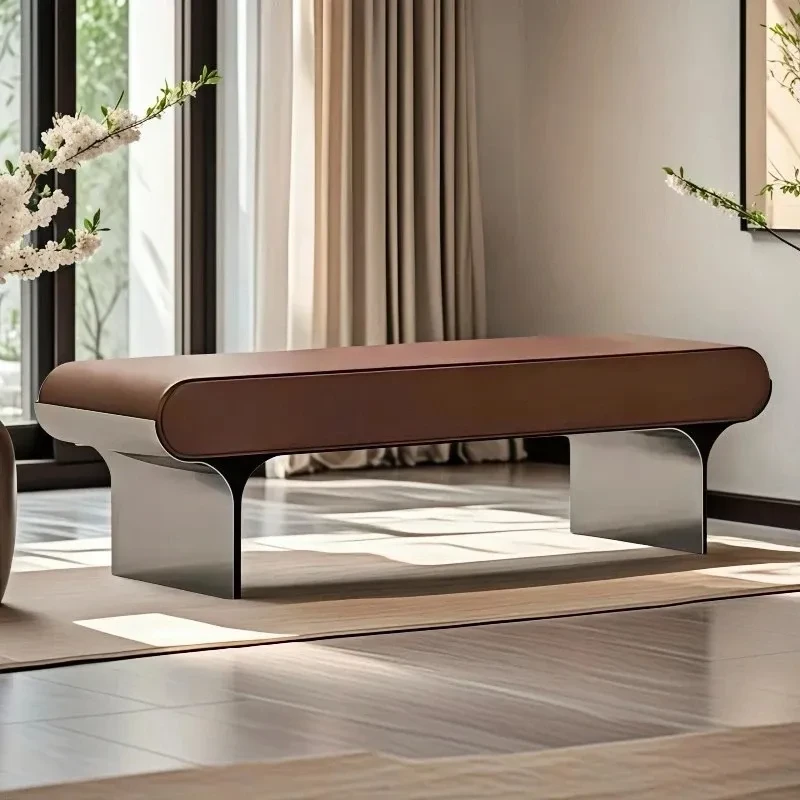
For example, clothing can be stored in hanging, folding, or drawer-style storage; shoes and hats can be stored in shoe racks, shoe boxes, or shoe benches.
Additionally, you can utilize wall space to install hooks and racks for conveniently hanging small items like bags and scarves.
IV. Lighting
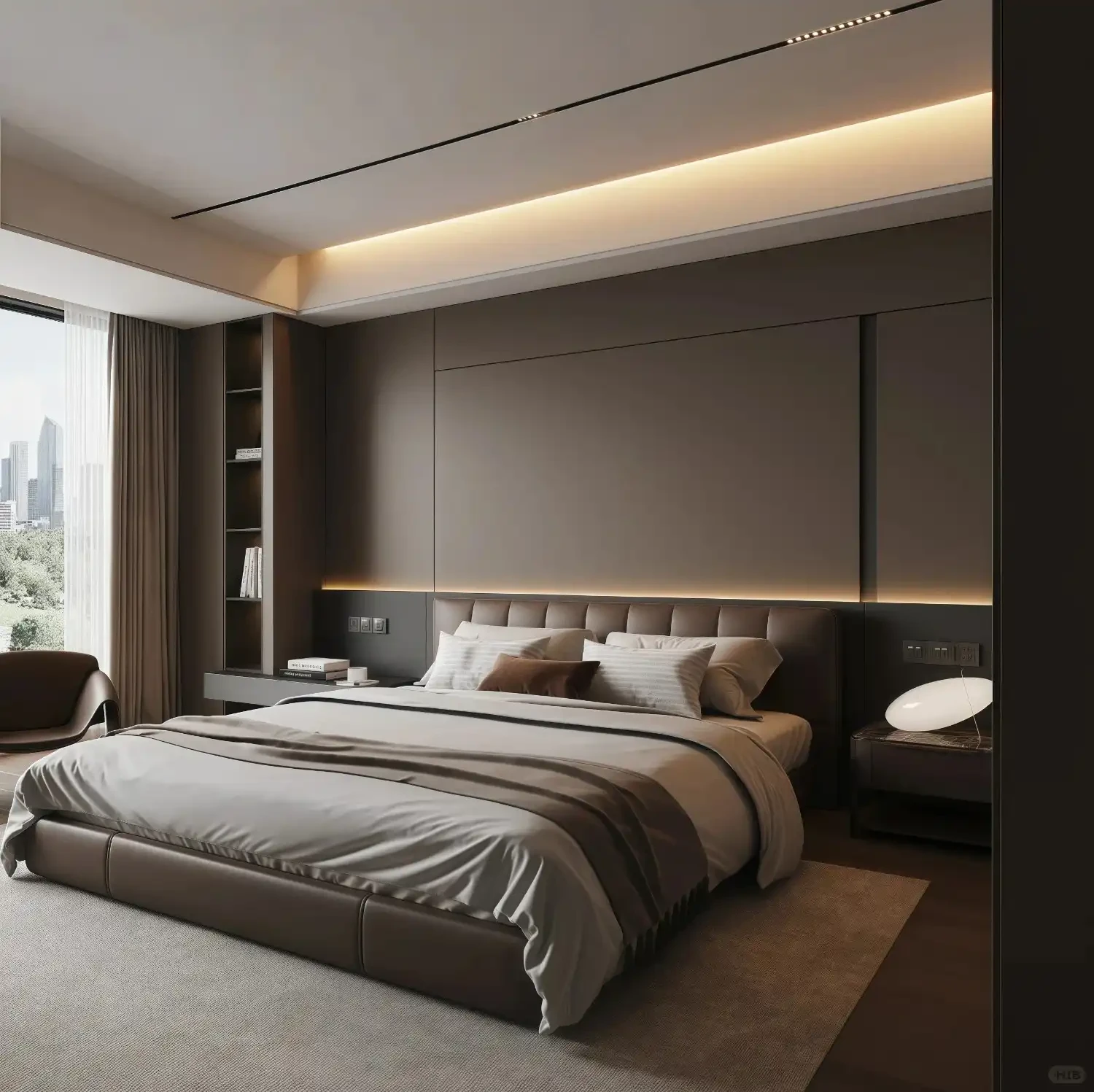
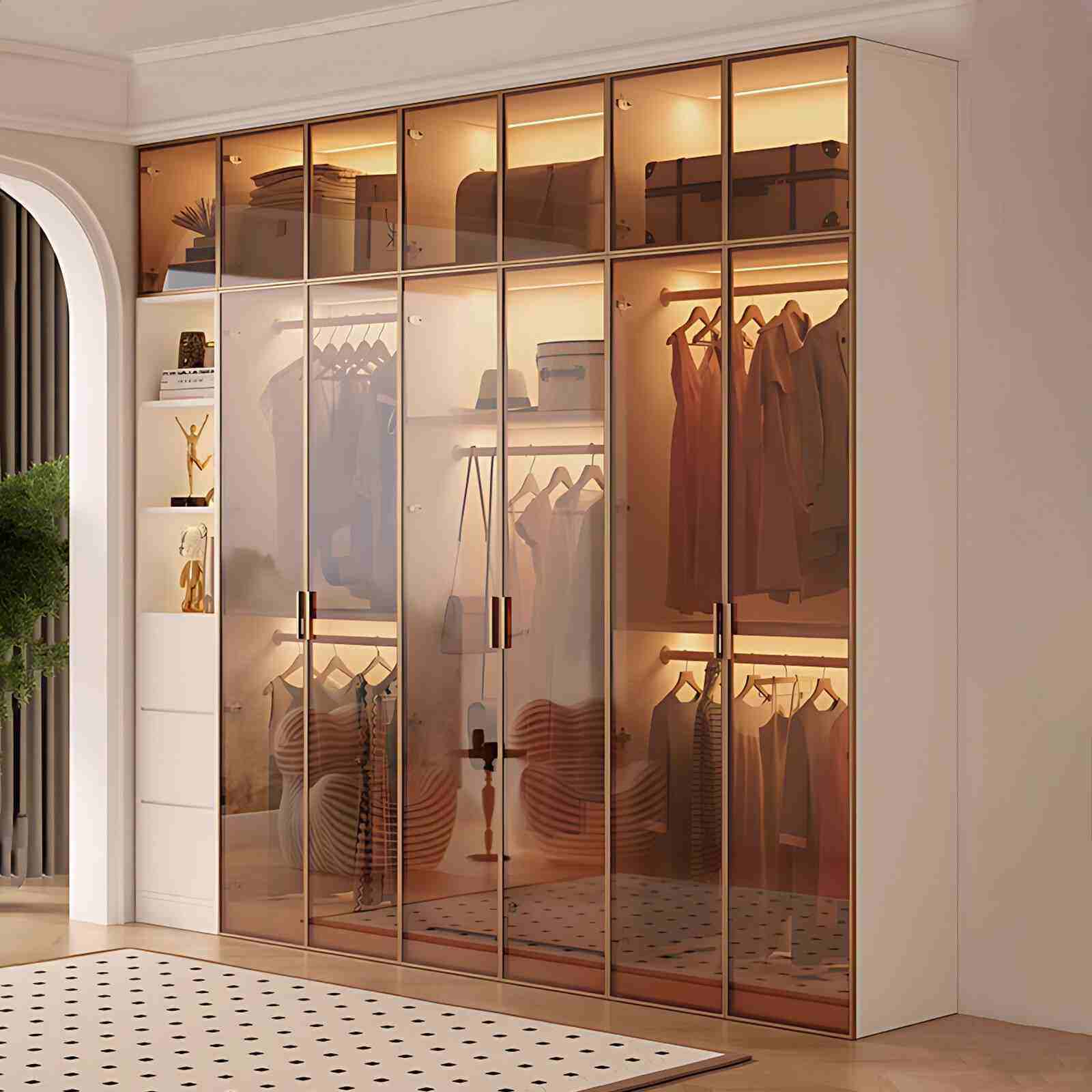
Lighting is an essential component of dressing room design. Good lighting conditions enhance the visual appeal and user experience of clothing.
Generally speaking, a dressing room requires two types of lighting: main lighting and spotlights. Main lighting provides overall illumination, maintaining sufficient brightness throughout the space; spotlights are primarily used to display and locate items such as clothing, shoes, and hats.
Spotlights can be placed inside or outside the wardrobe, with the appropriate location and brightness selected based on actual needs.
In addition, you can leverage the principle of mirror reflection by installing mirrors on the walls or ceiling to enhance the sense of space and improve the lighting effect.
V. Dust Control
Dust control is a key consideration in dressing room design, especially in cities with poor air quality. Dust control not only protects clothing but also extends the life of furniture.
When designing, choose wardrobes and cabinets with good airtightness and install dust covers or dust-proof curtains. Regular cleaning and maintenance are also important measures to keep the dressing room clean and tidy. In summary, creating a beautiful and practical dressing room requires comprehensive consideration of design, layout, storage, lighting, and dust protection.
Through proper design and planning, we can create a dressing room that is both beautiful and practical, making home life more comfortable and convenient.
Subscribe To Our Newsletter
You Can Get The News Of Our Products
SIGN UP
Payment Methods