
 USD
USD
 GBP
GBP
 EUR
EUR
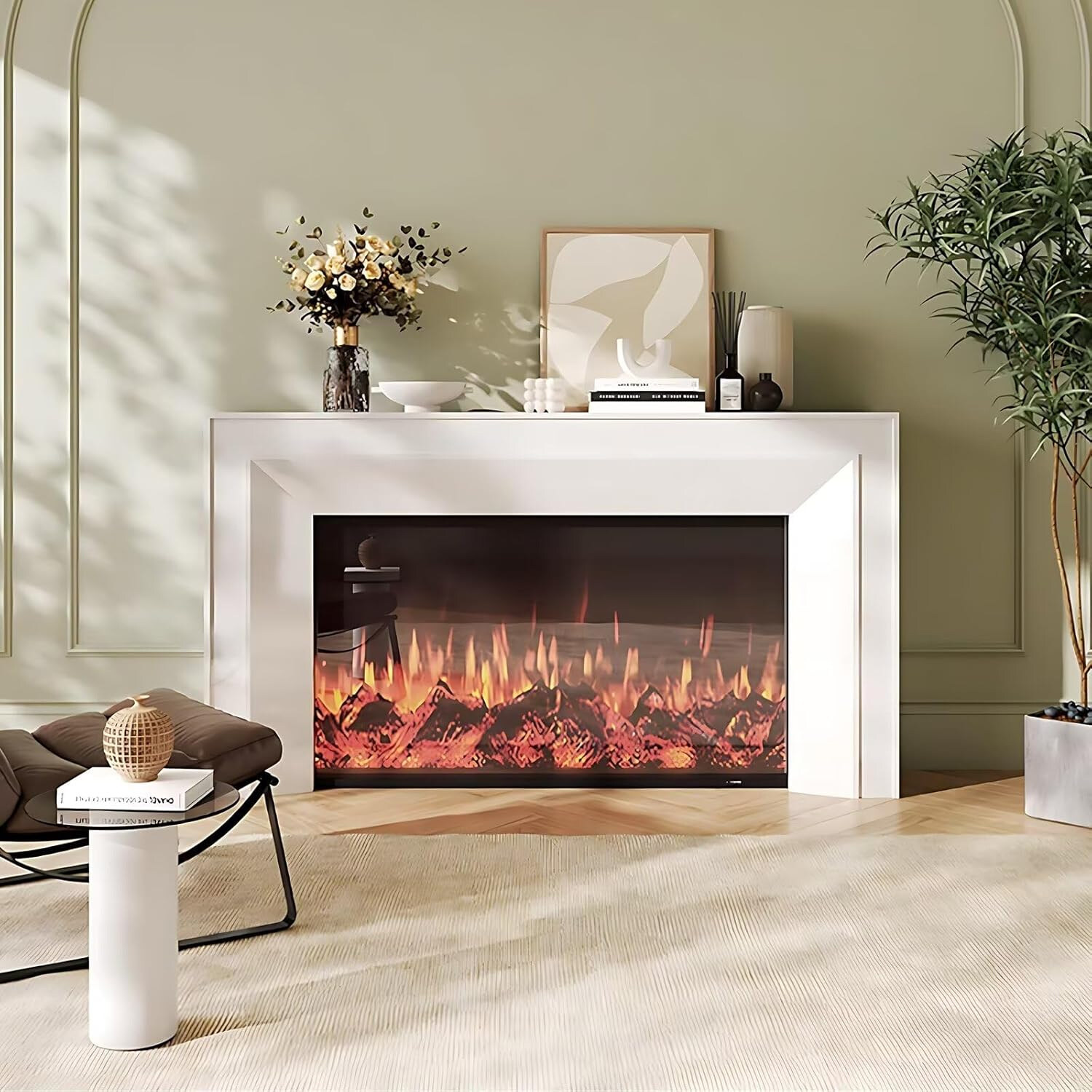
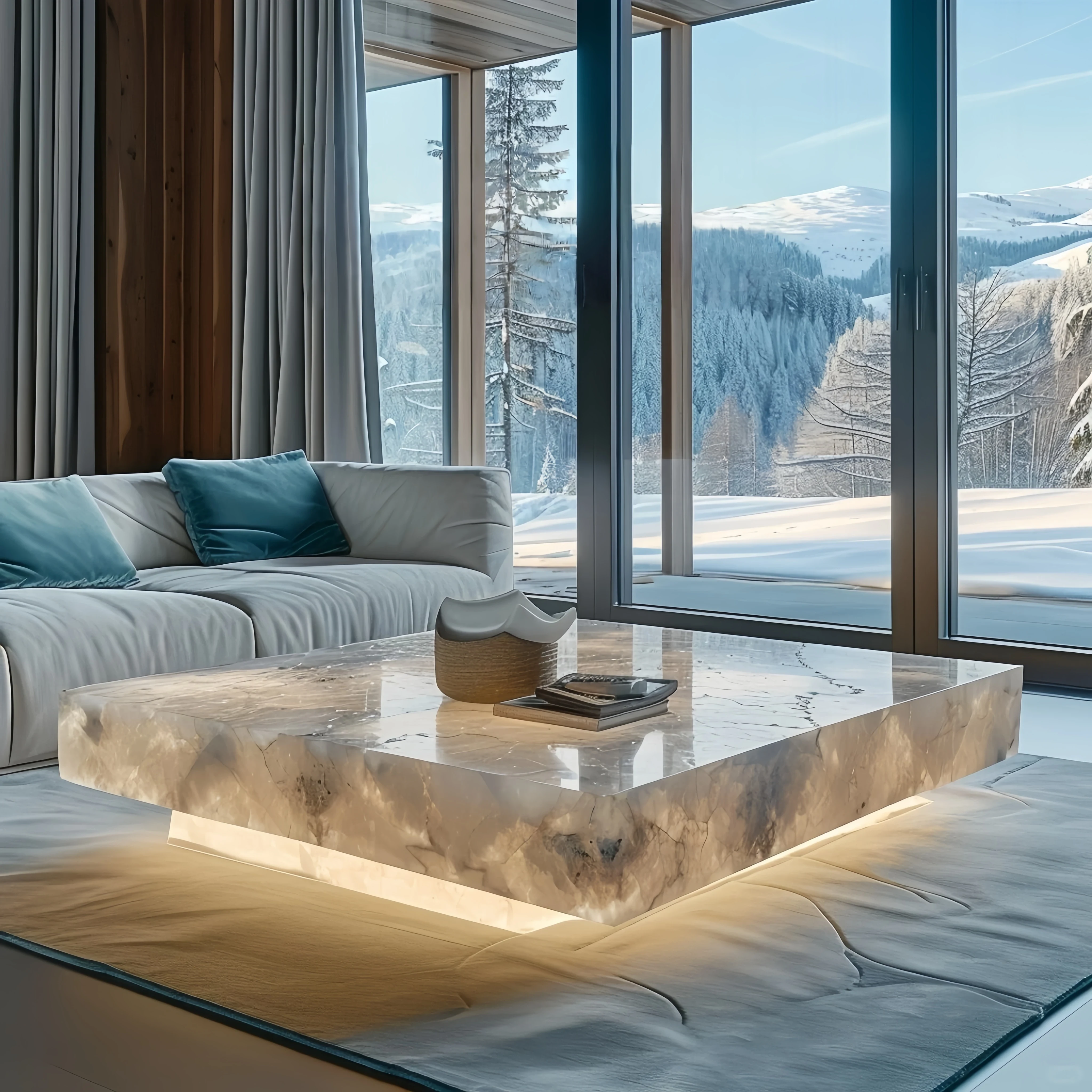
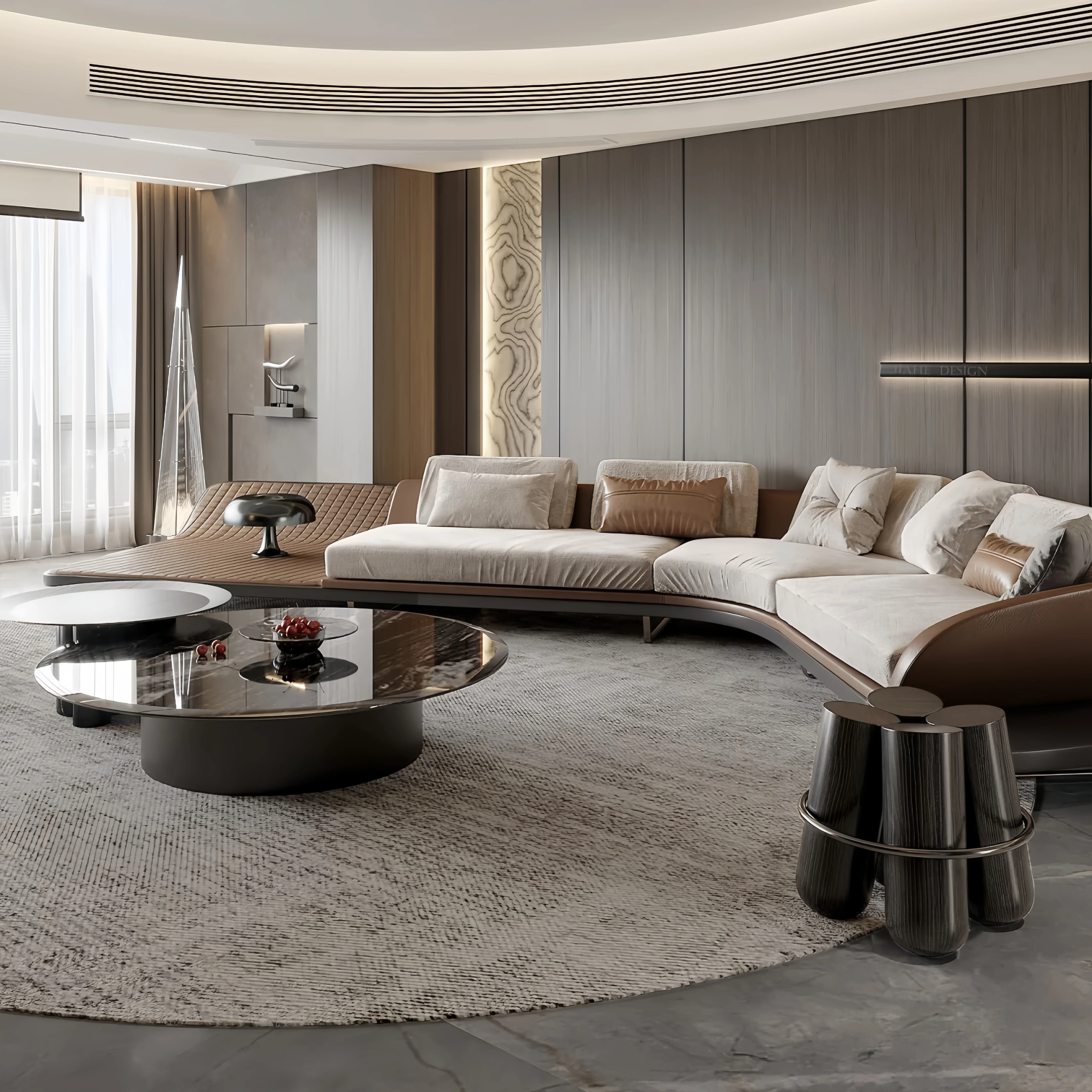
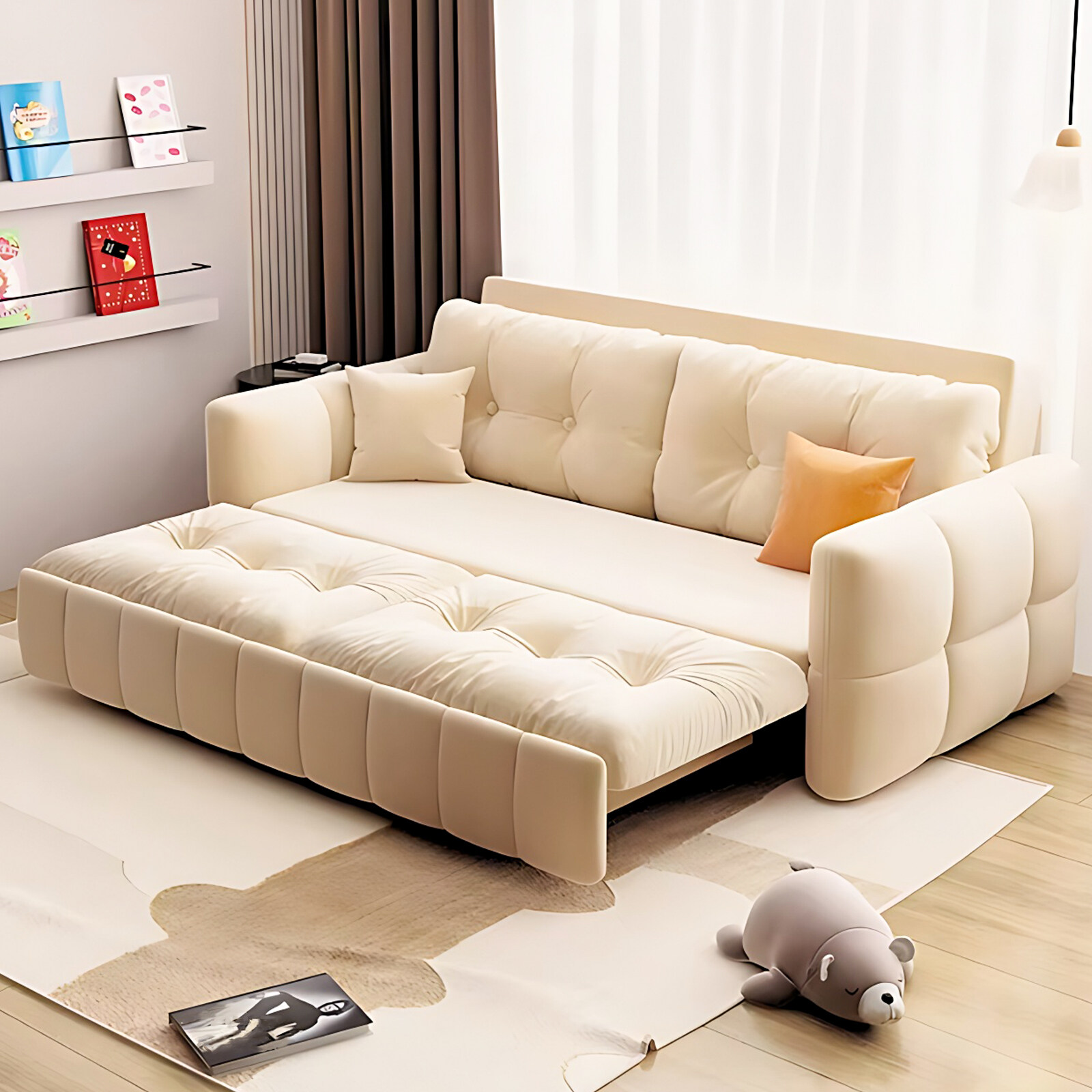
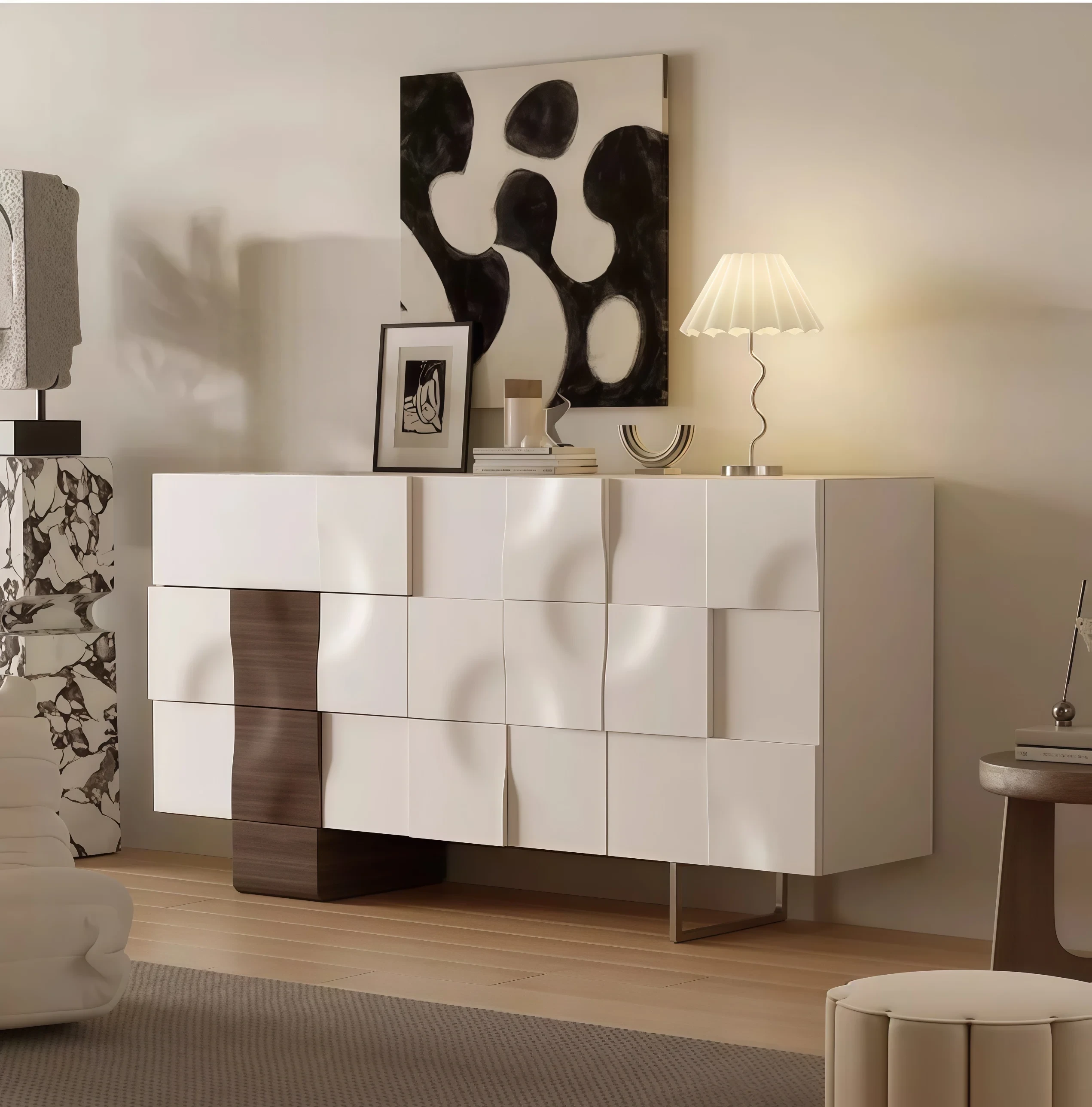
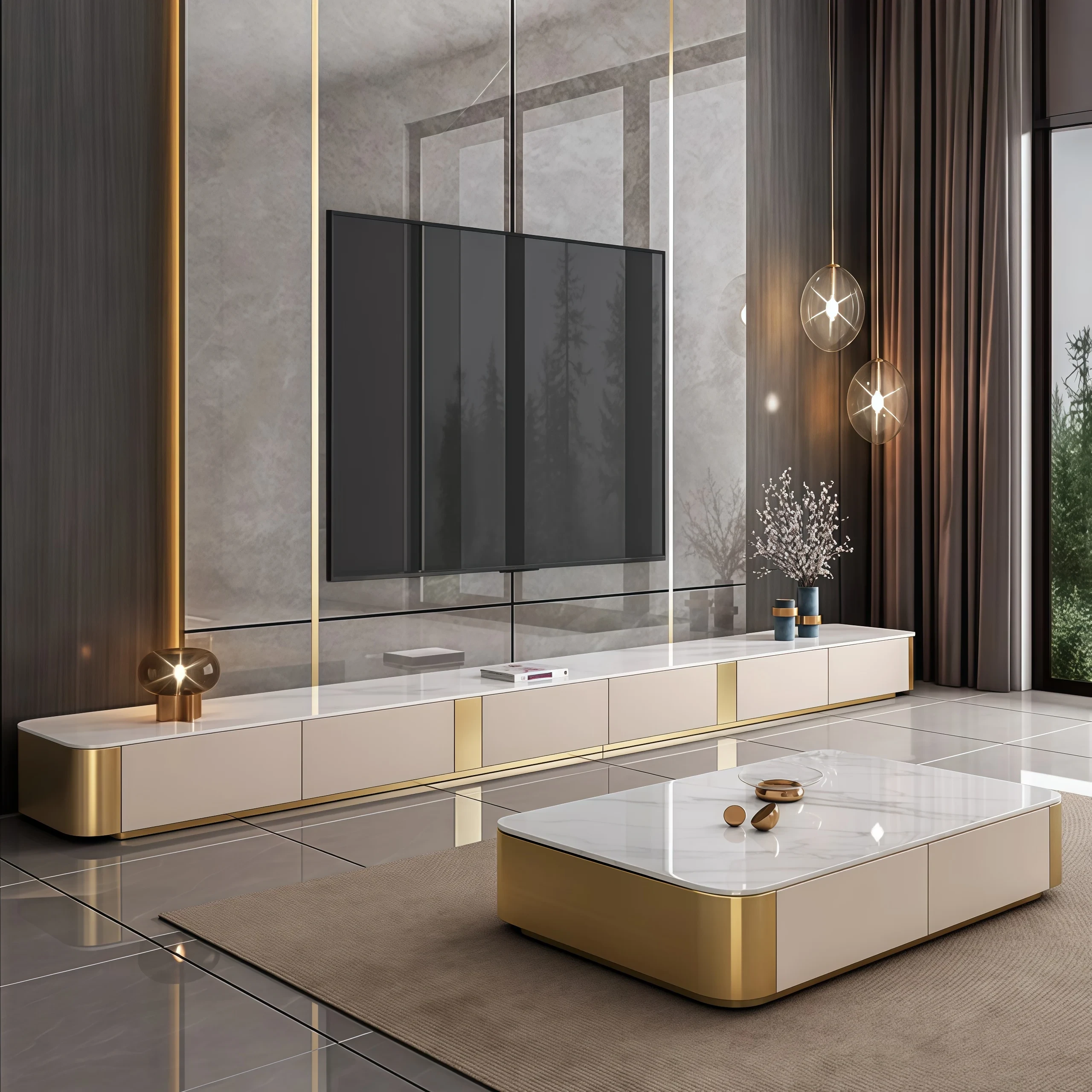
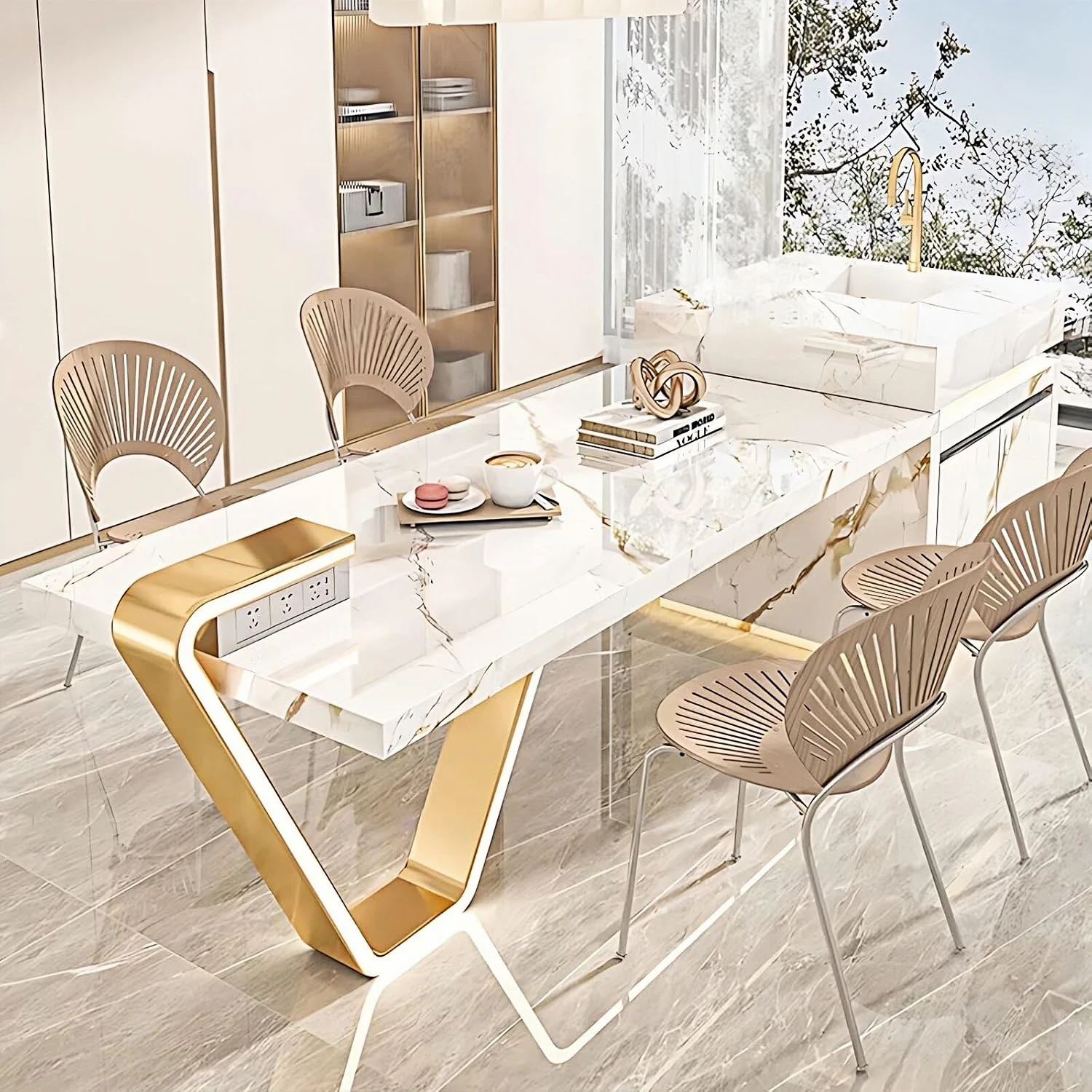
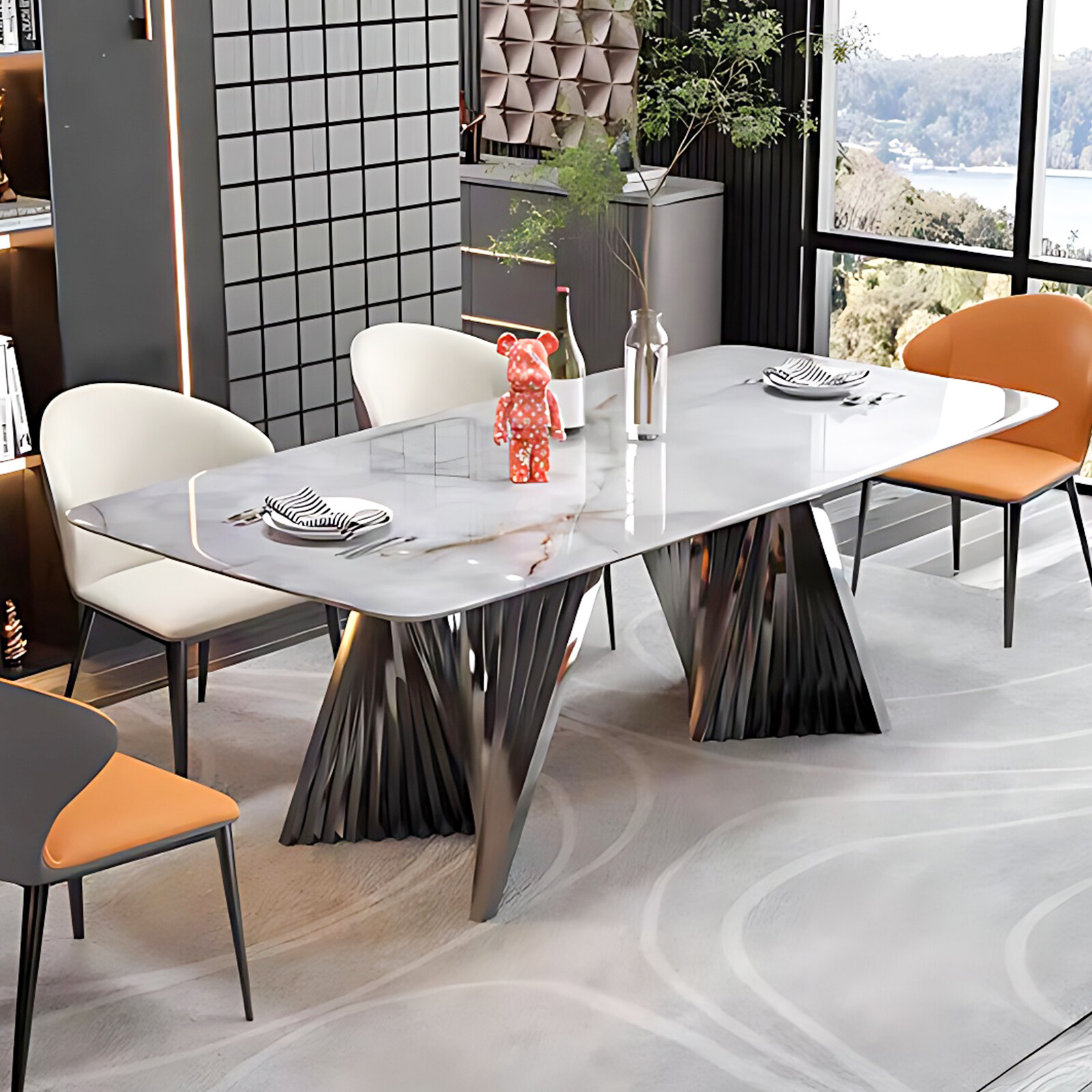
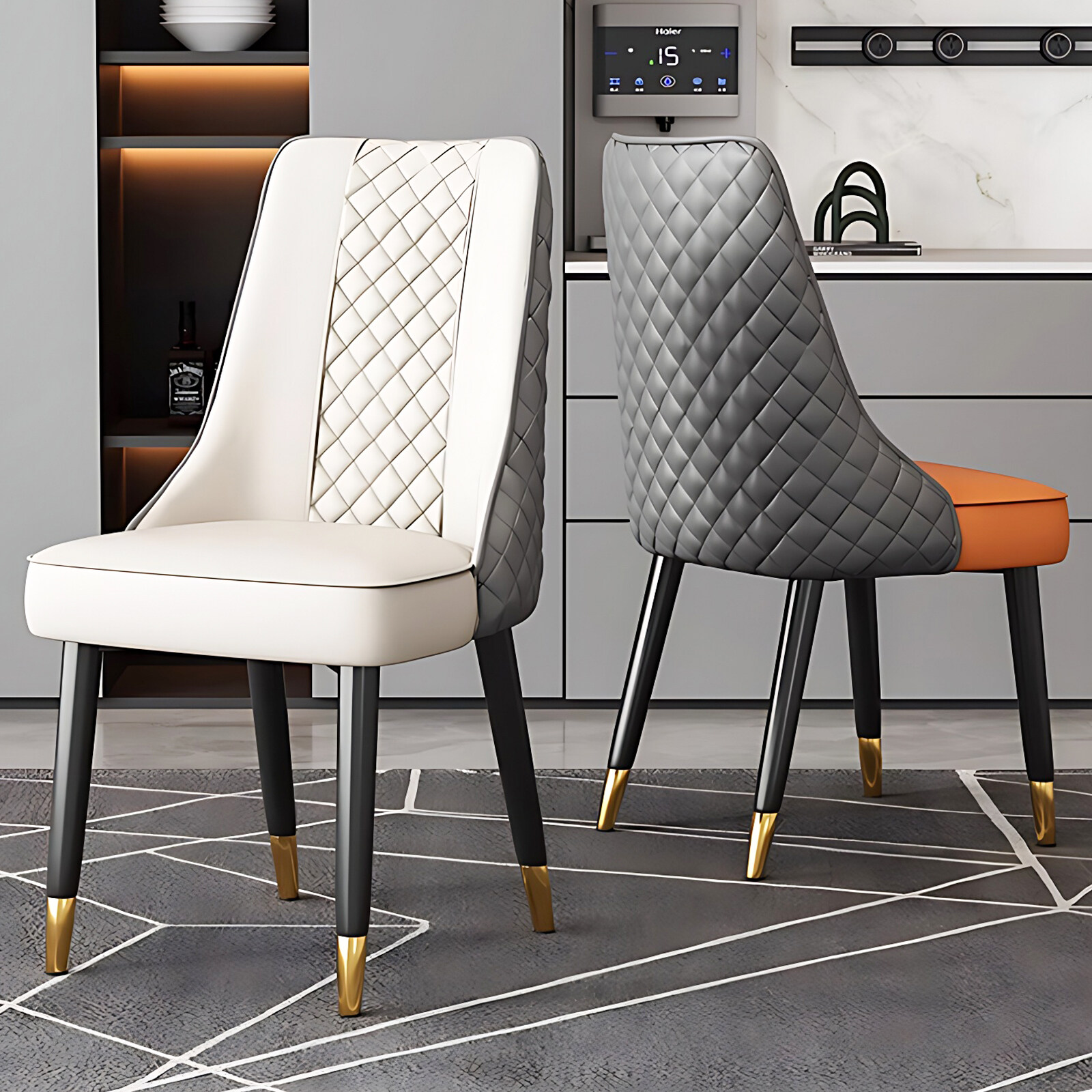
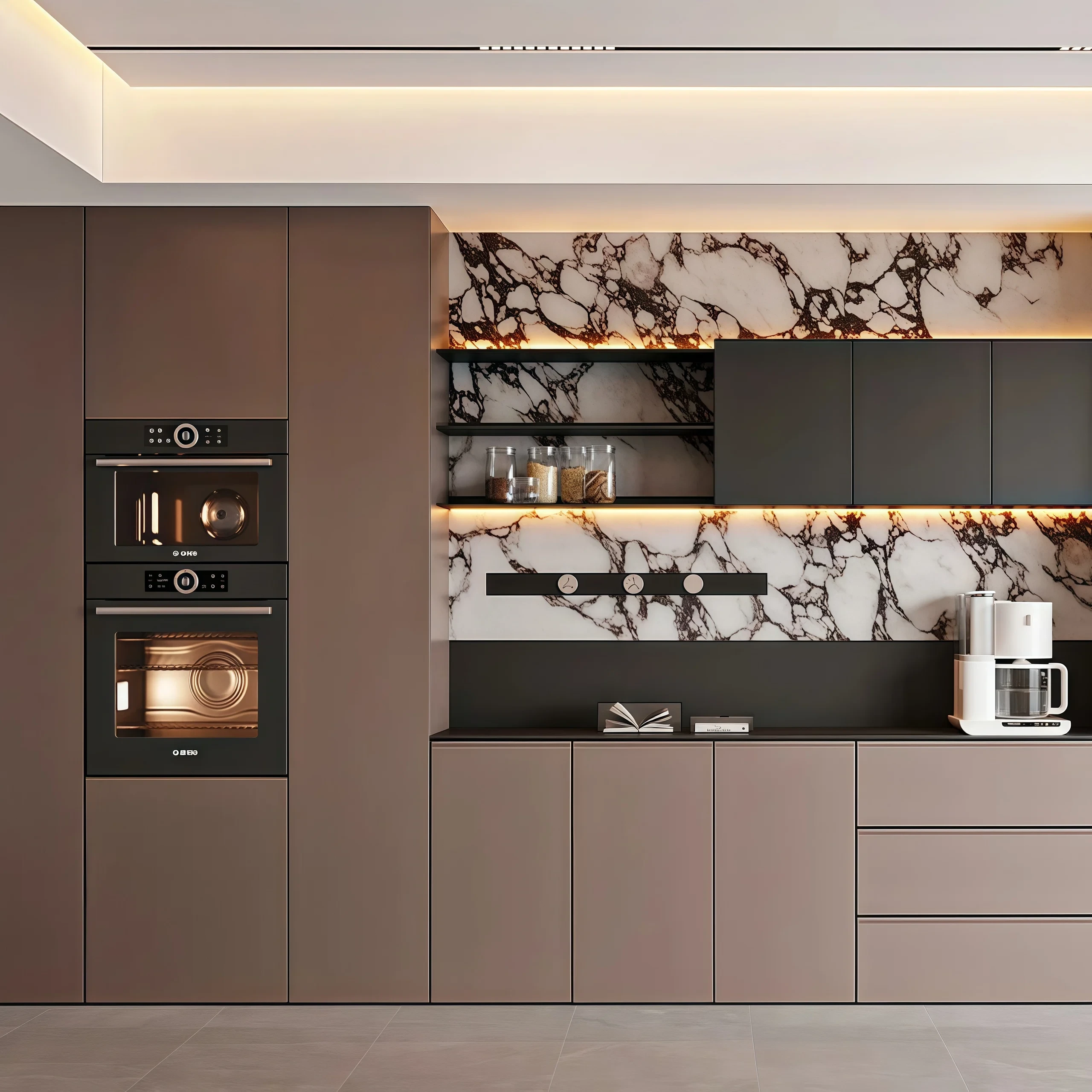
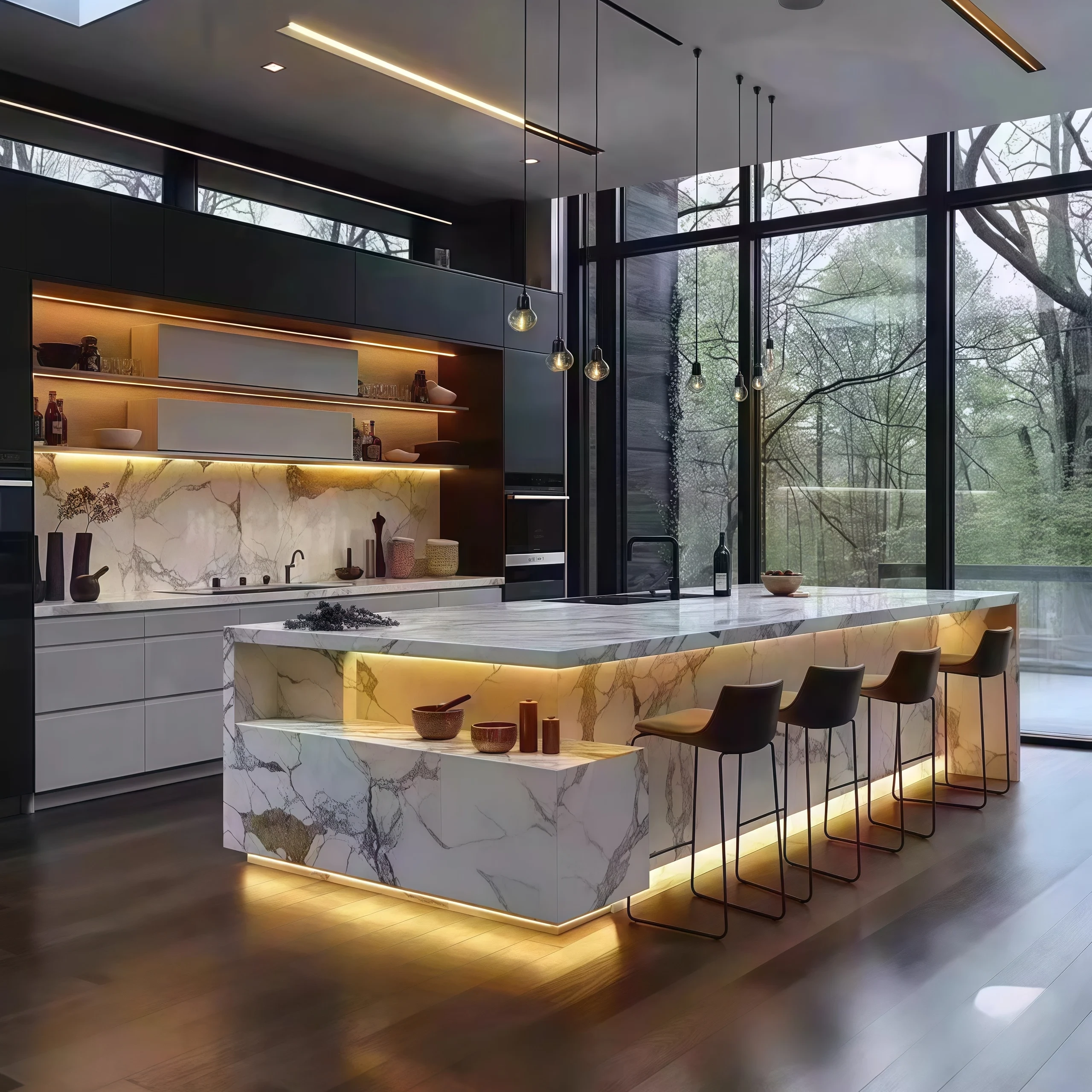
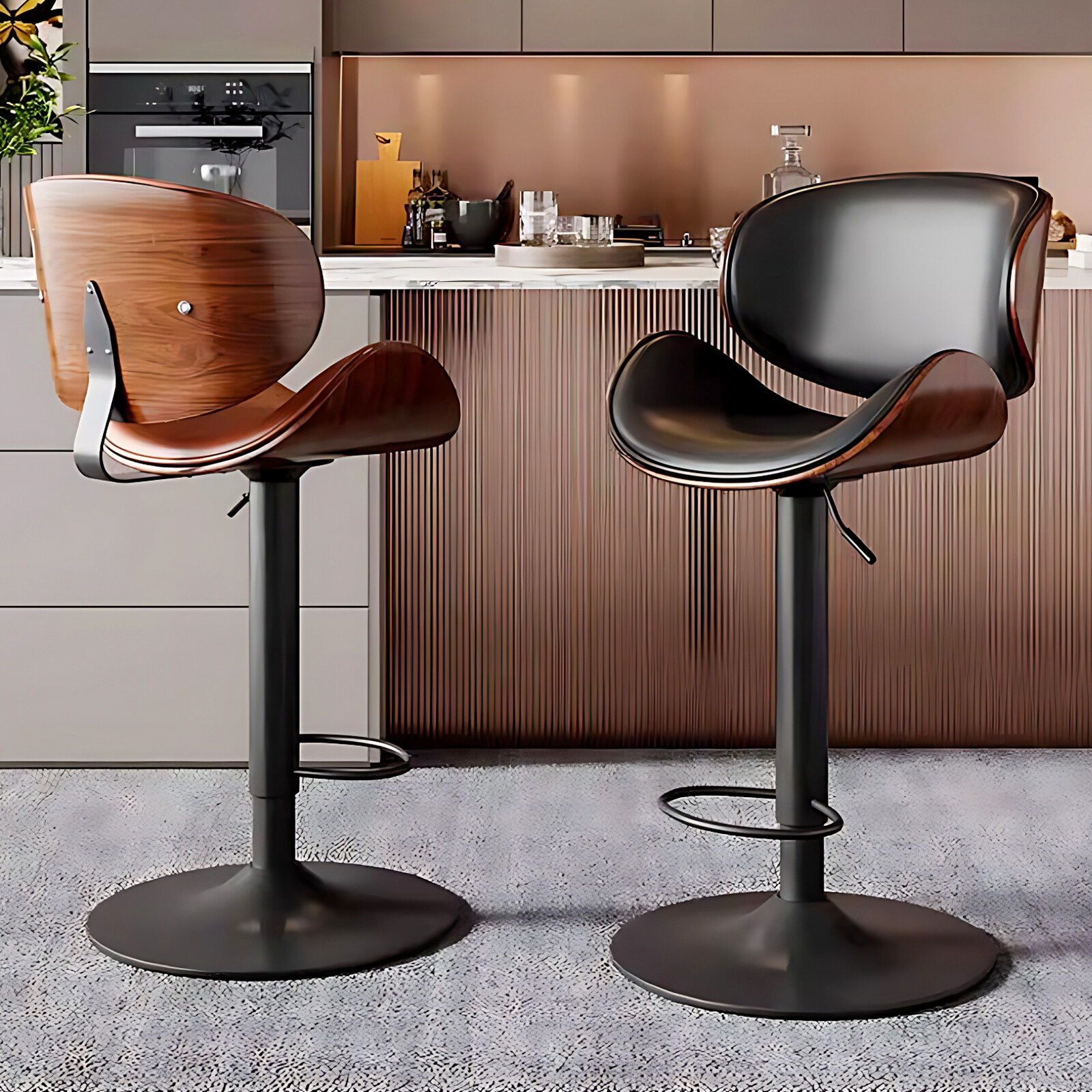
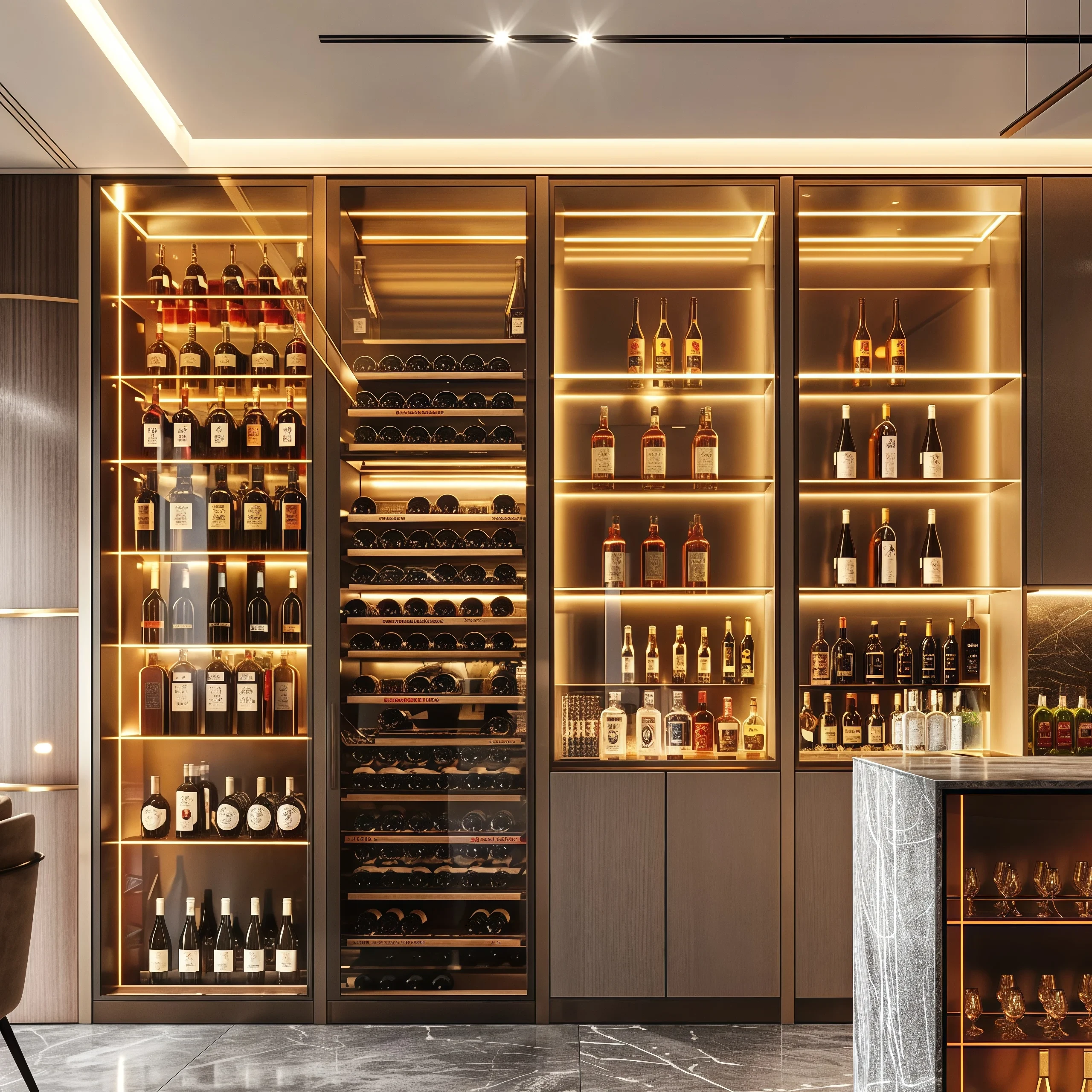
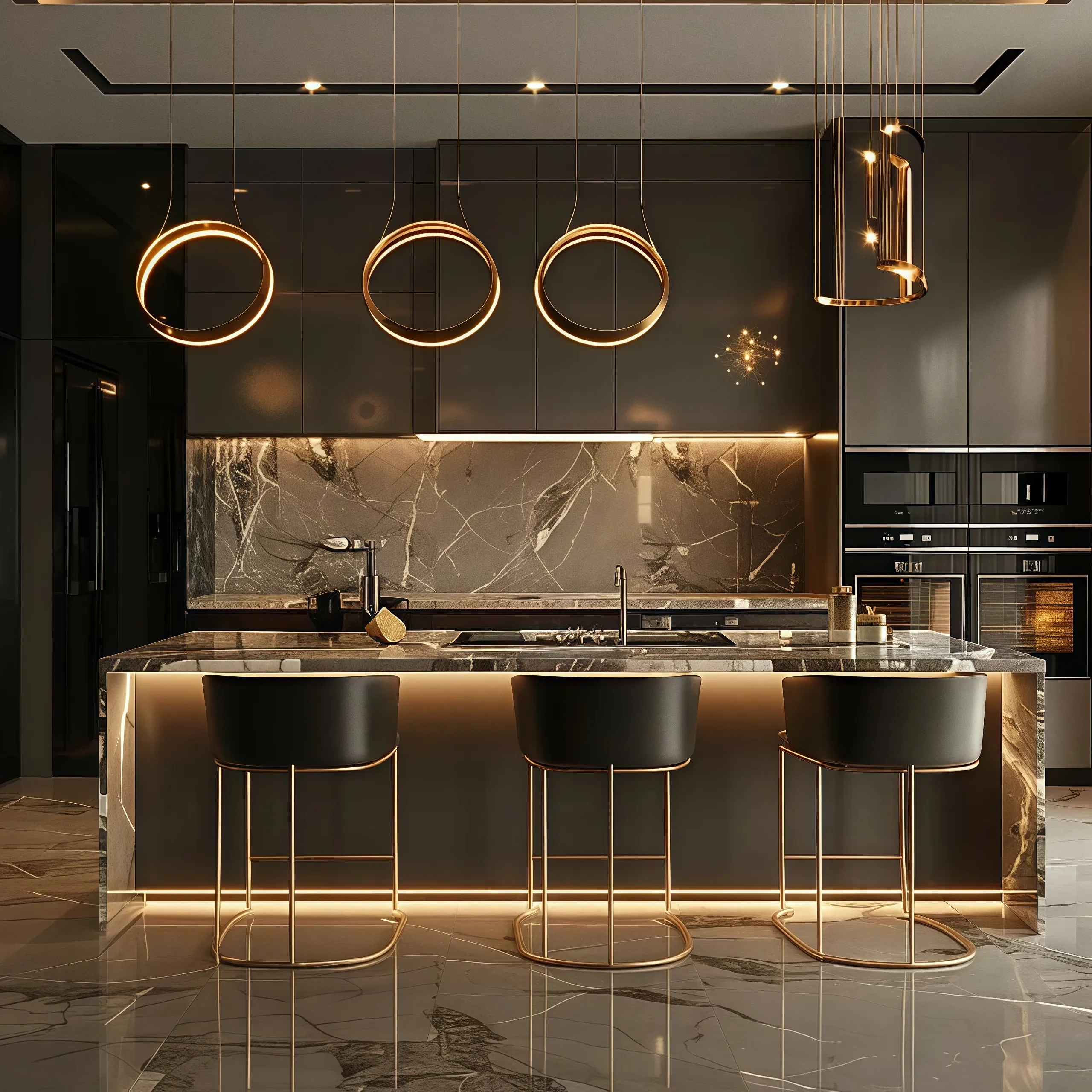
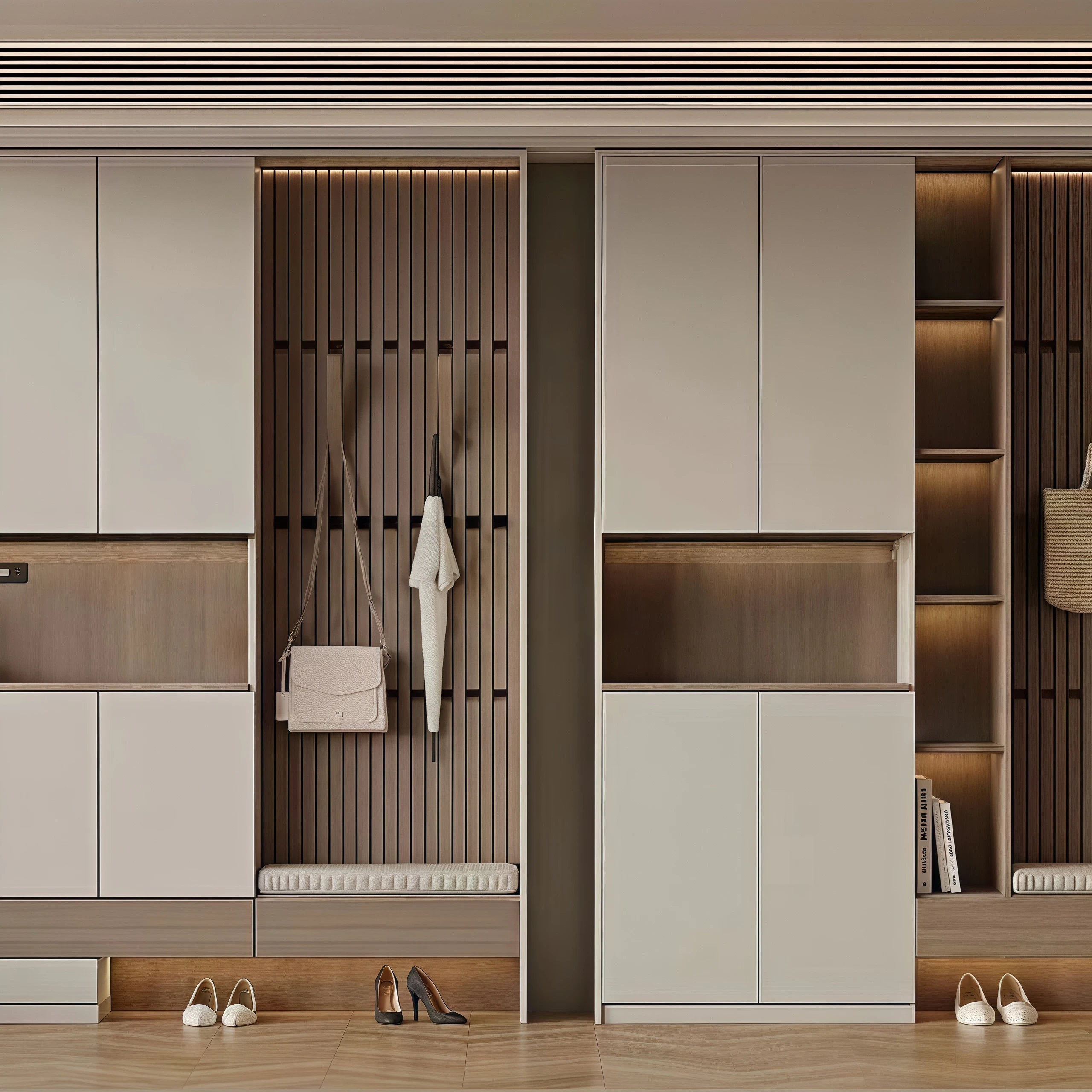
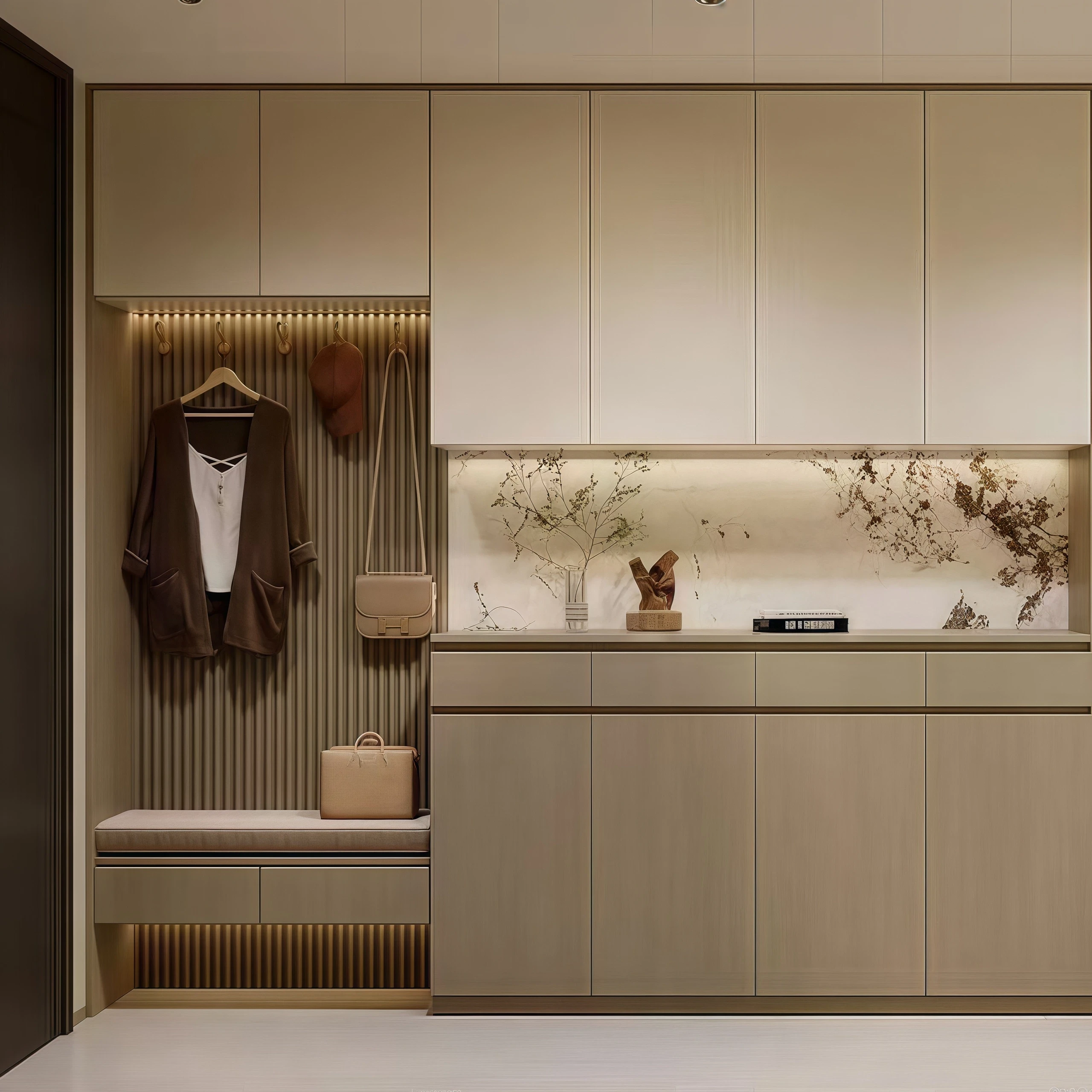
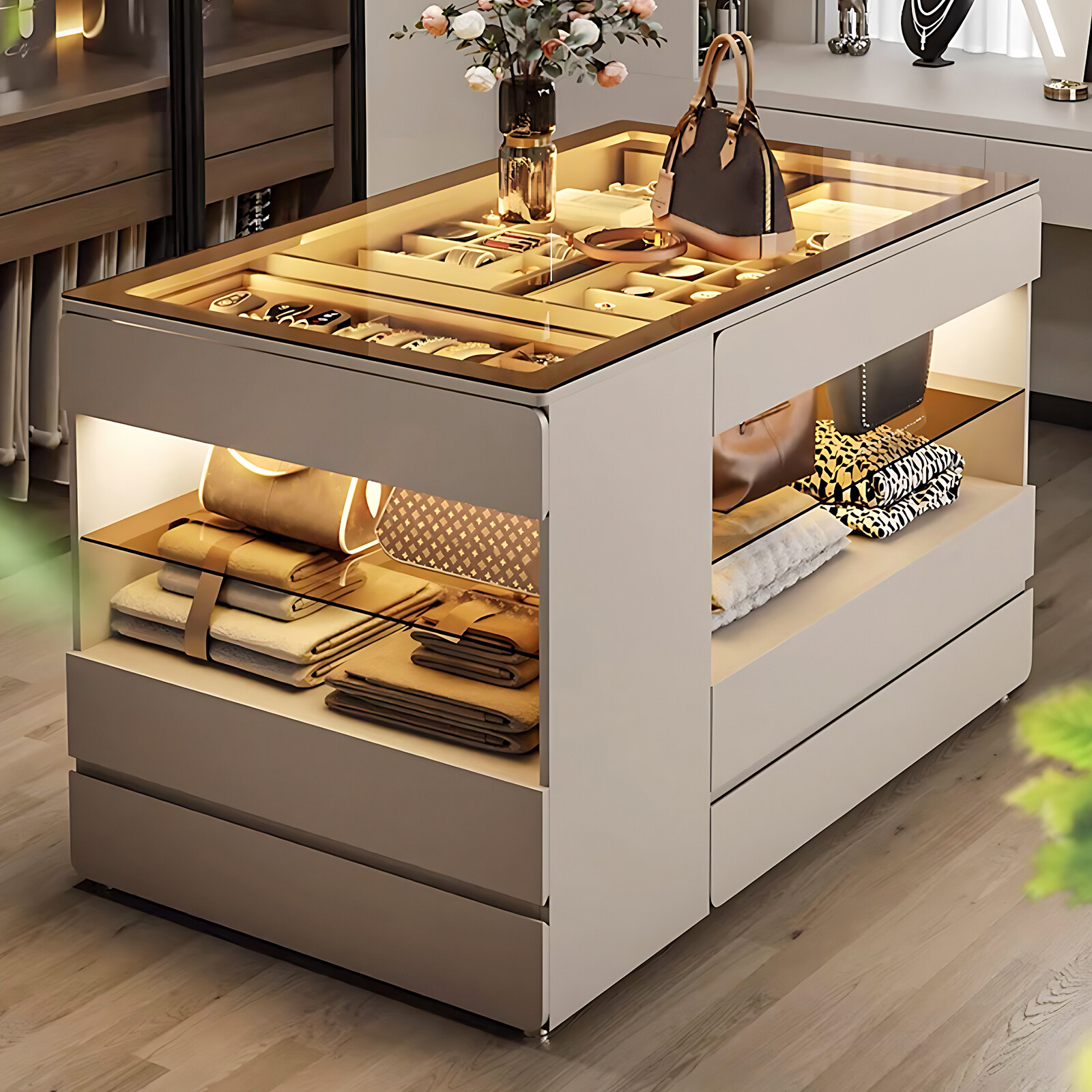
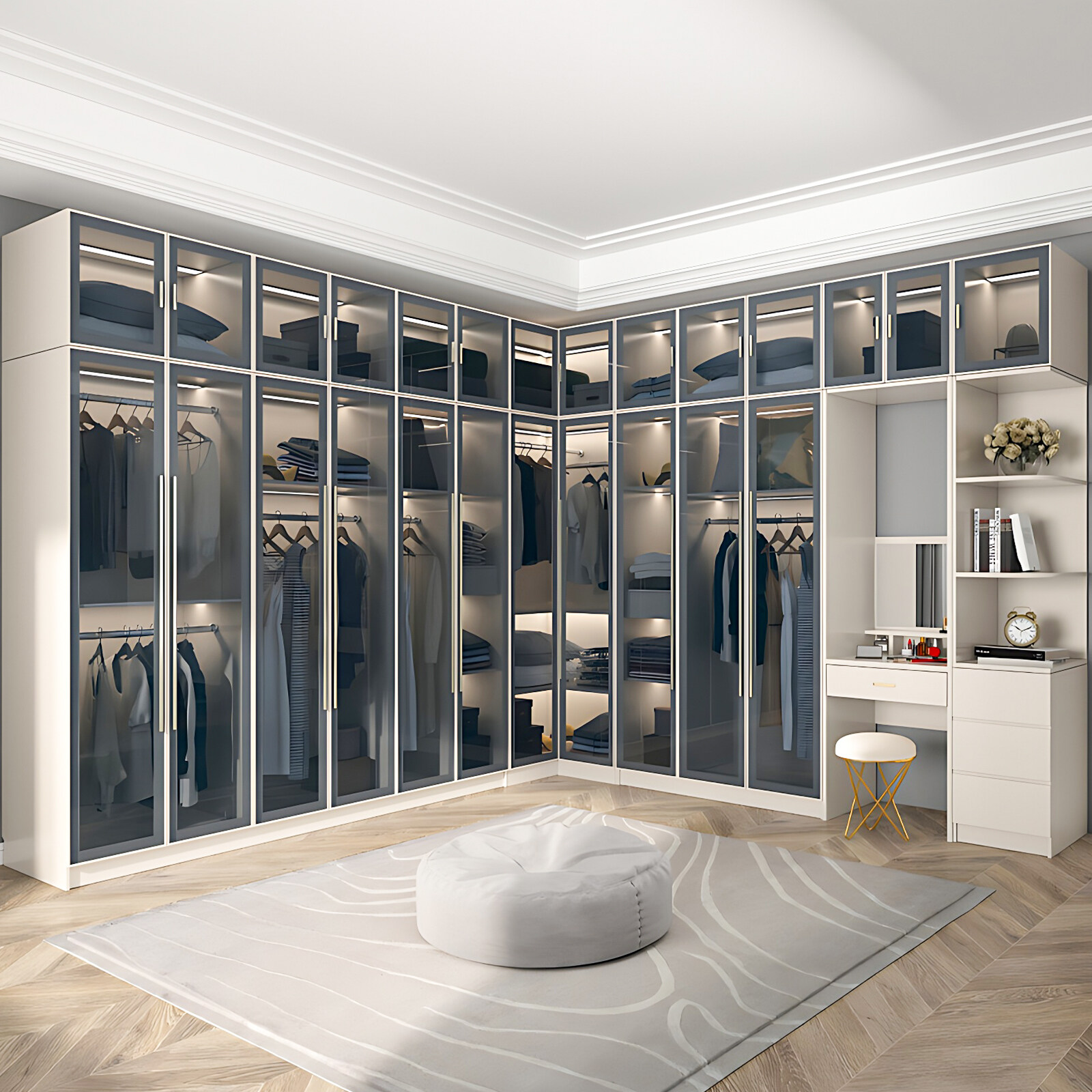
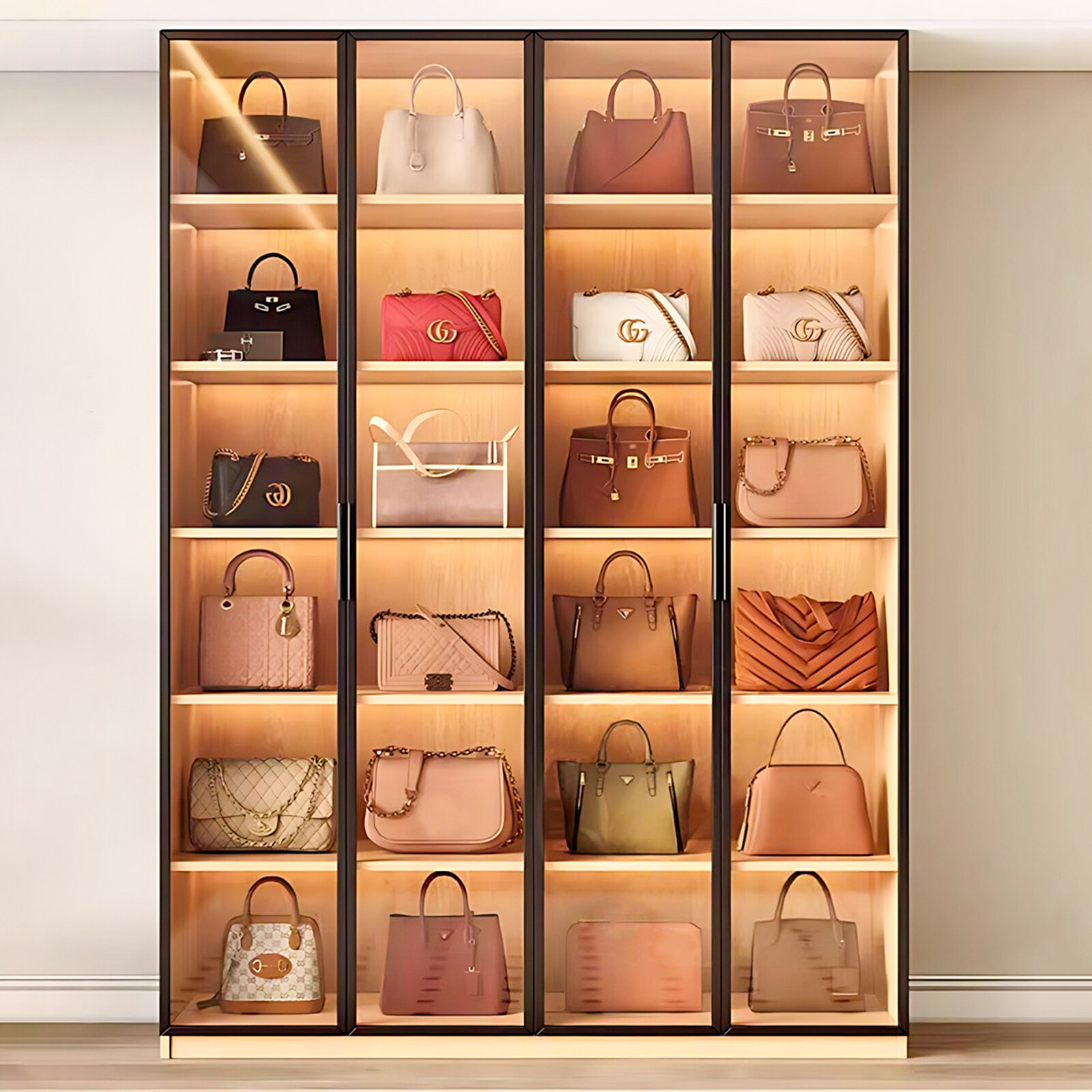
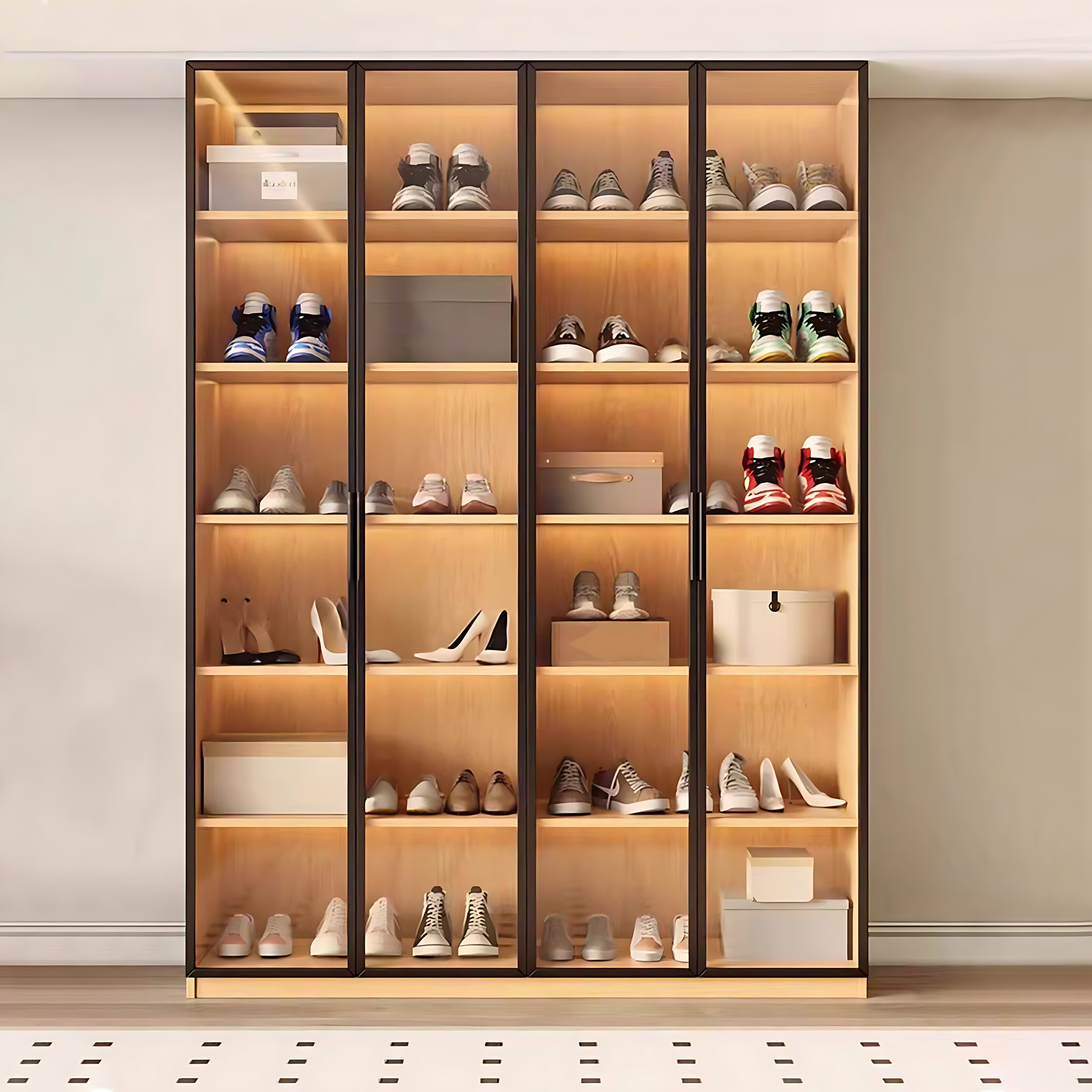
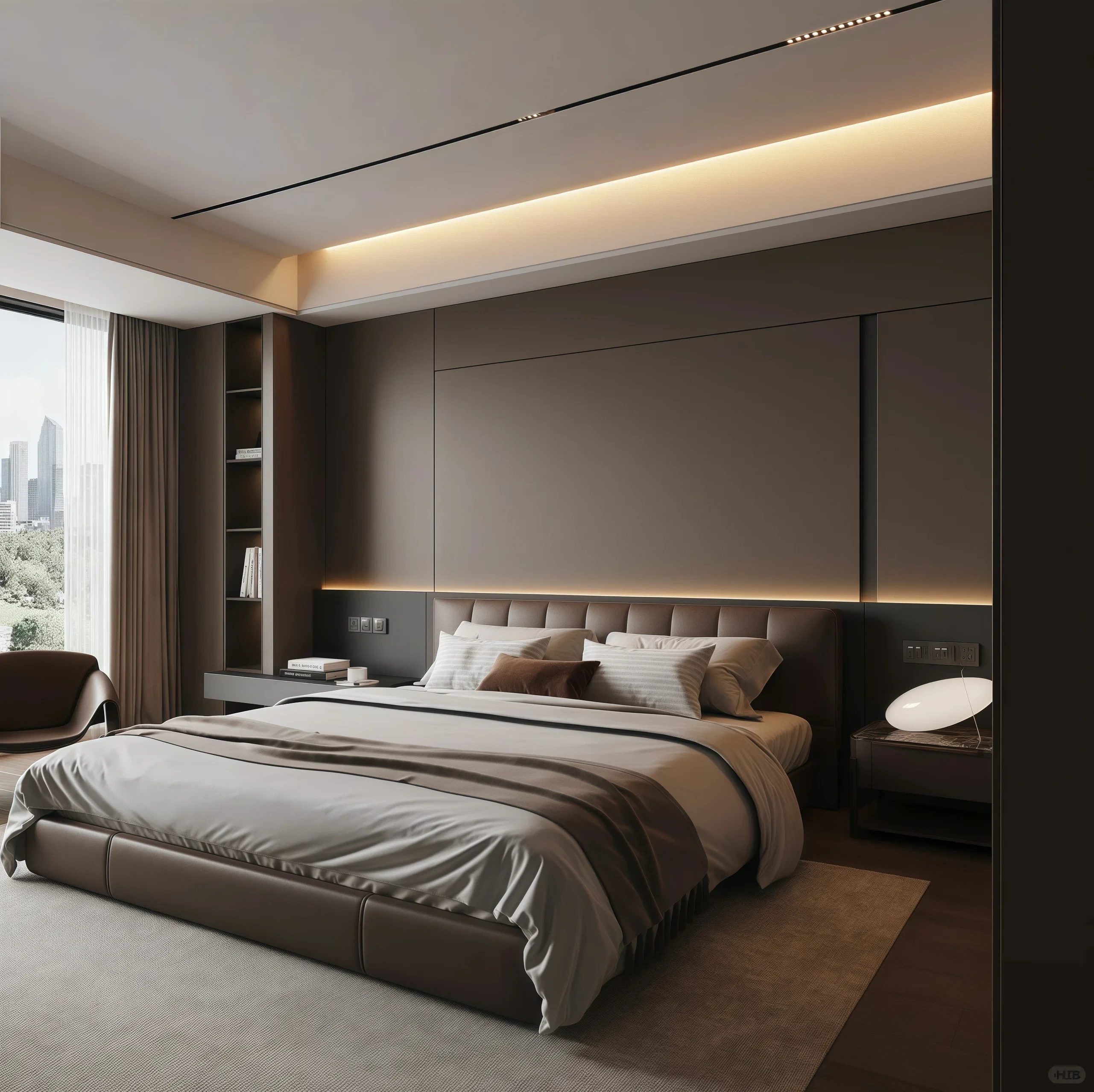
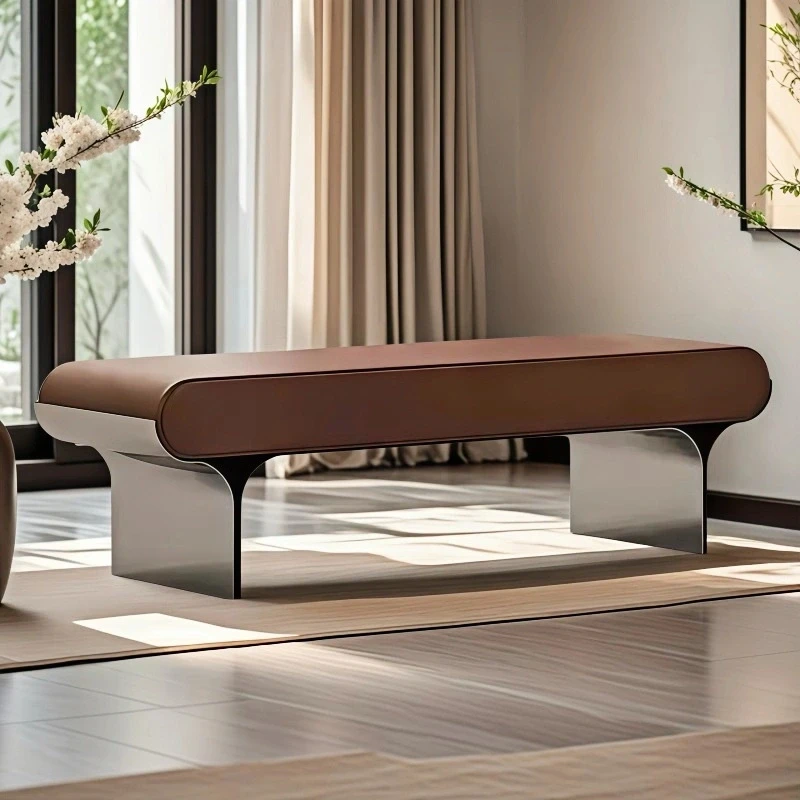
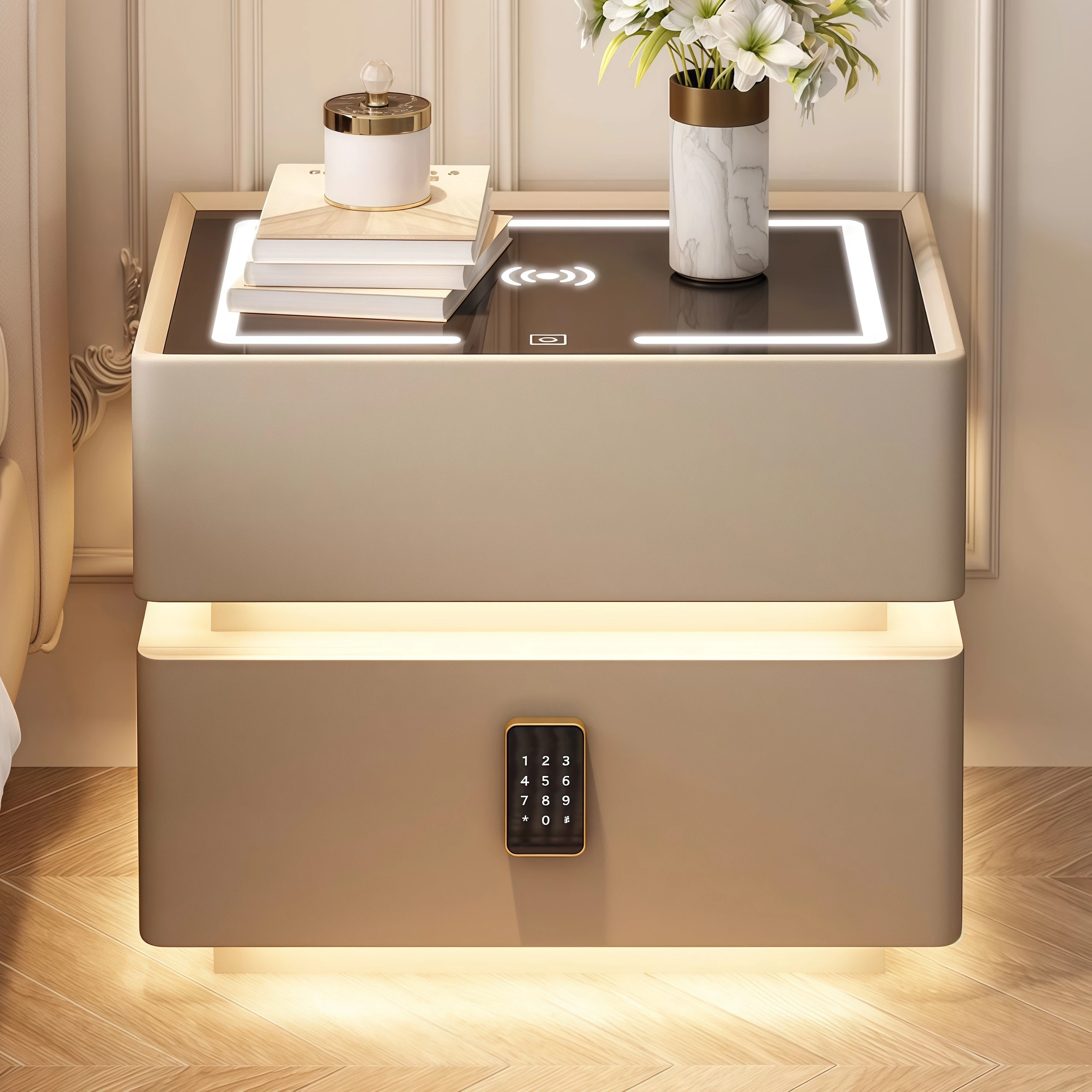
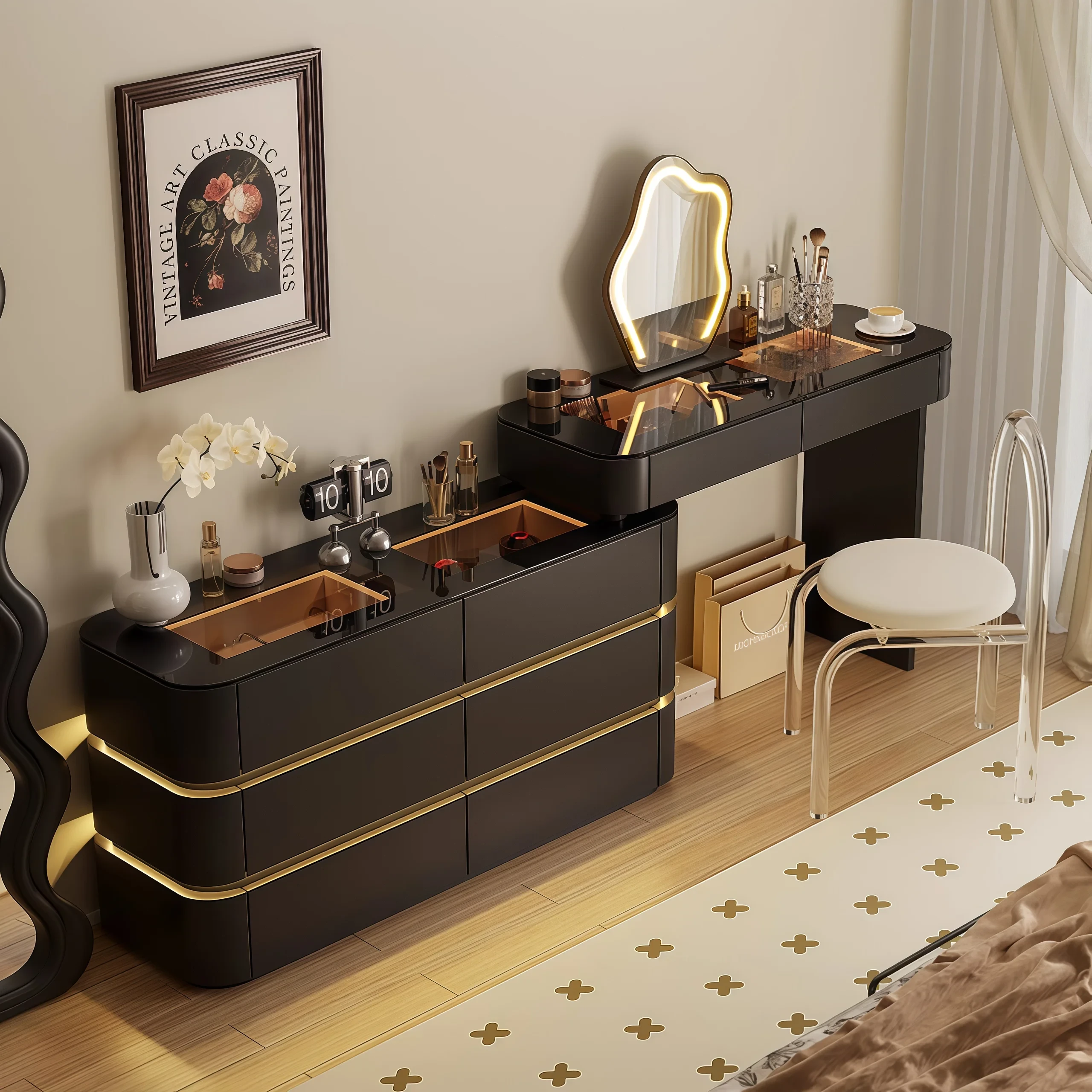
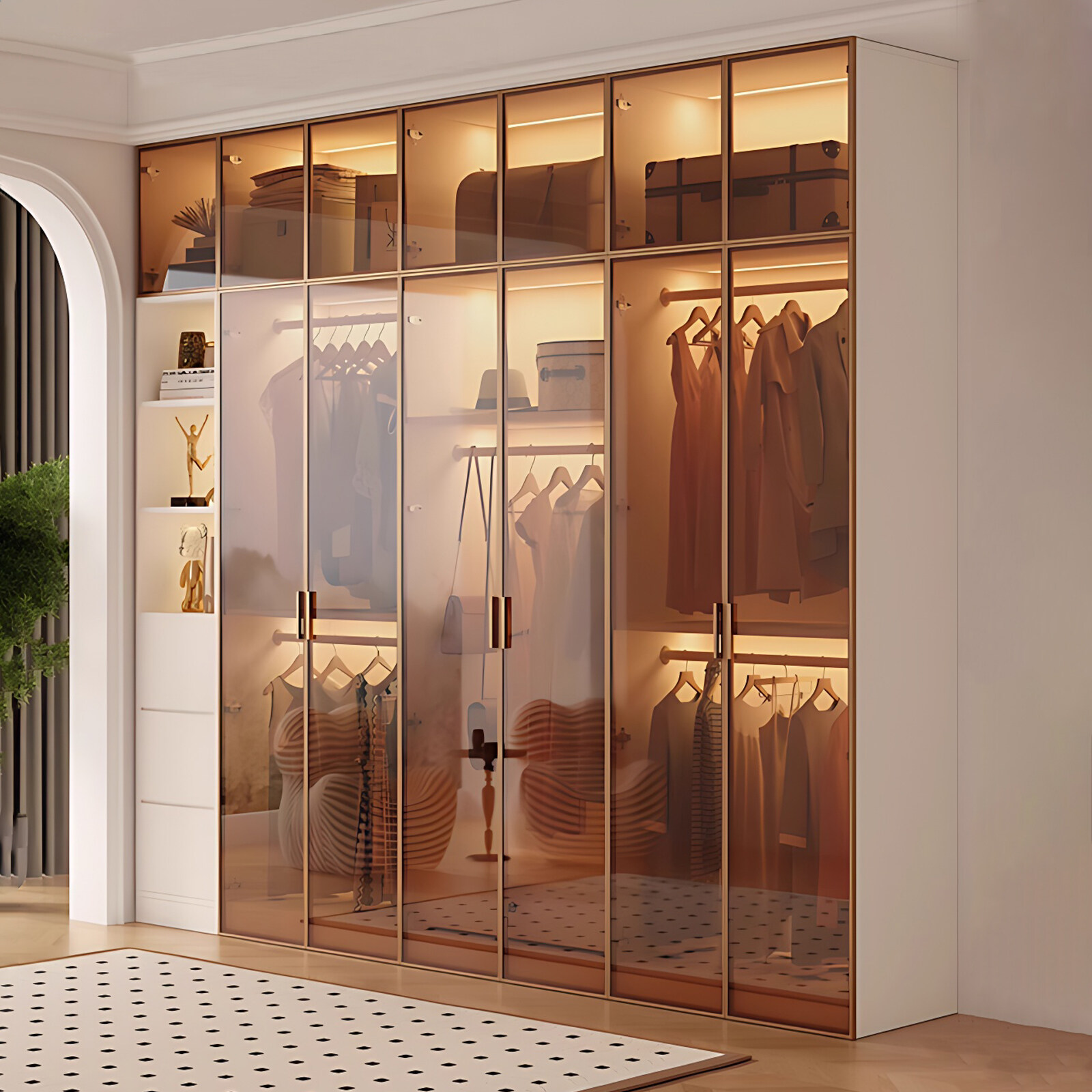
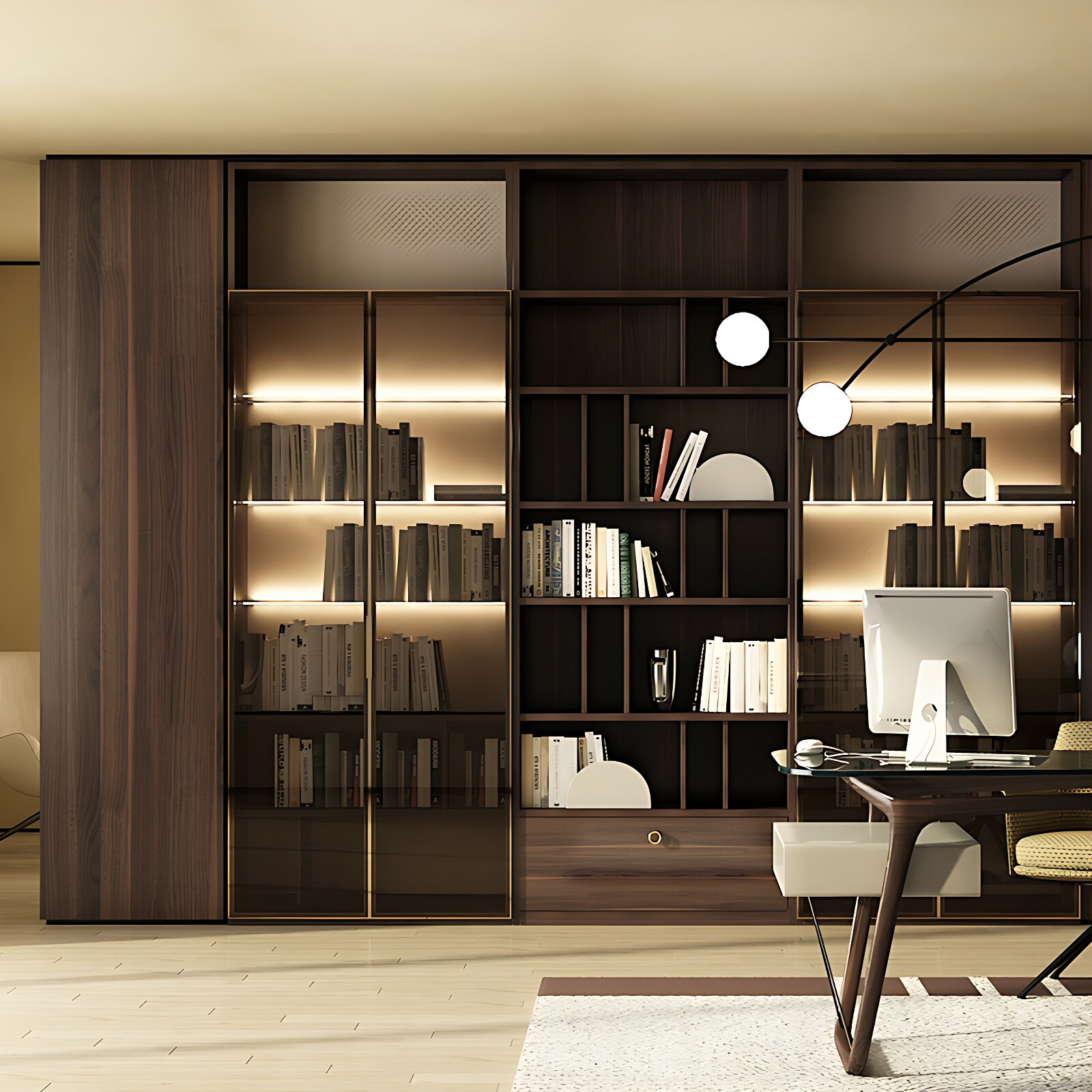
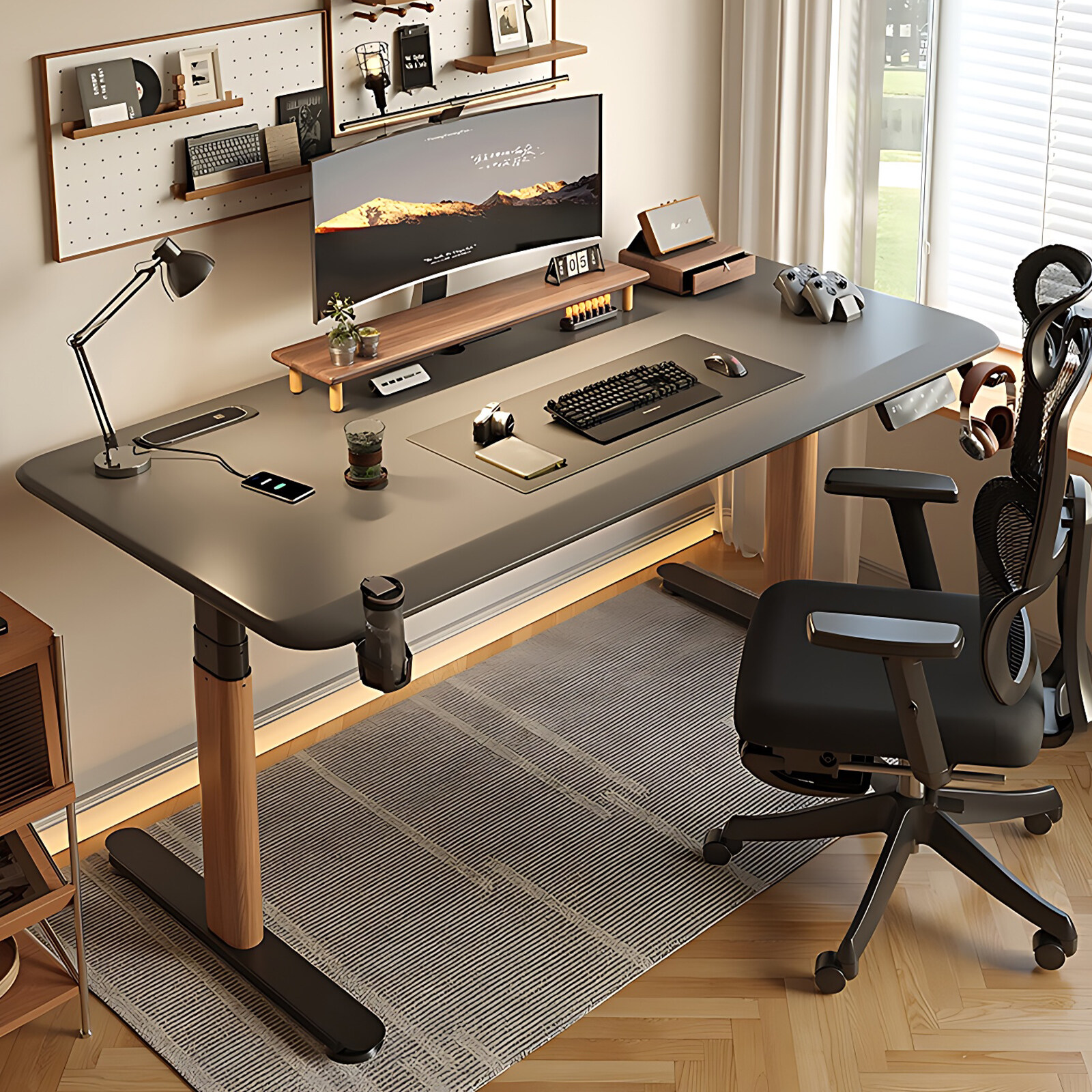
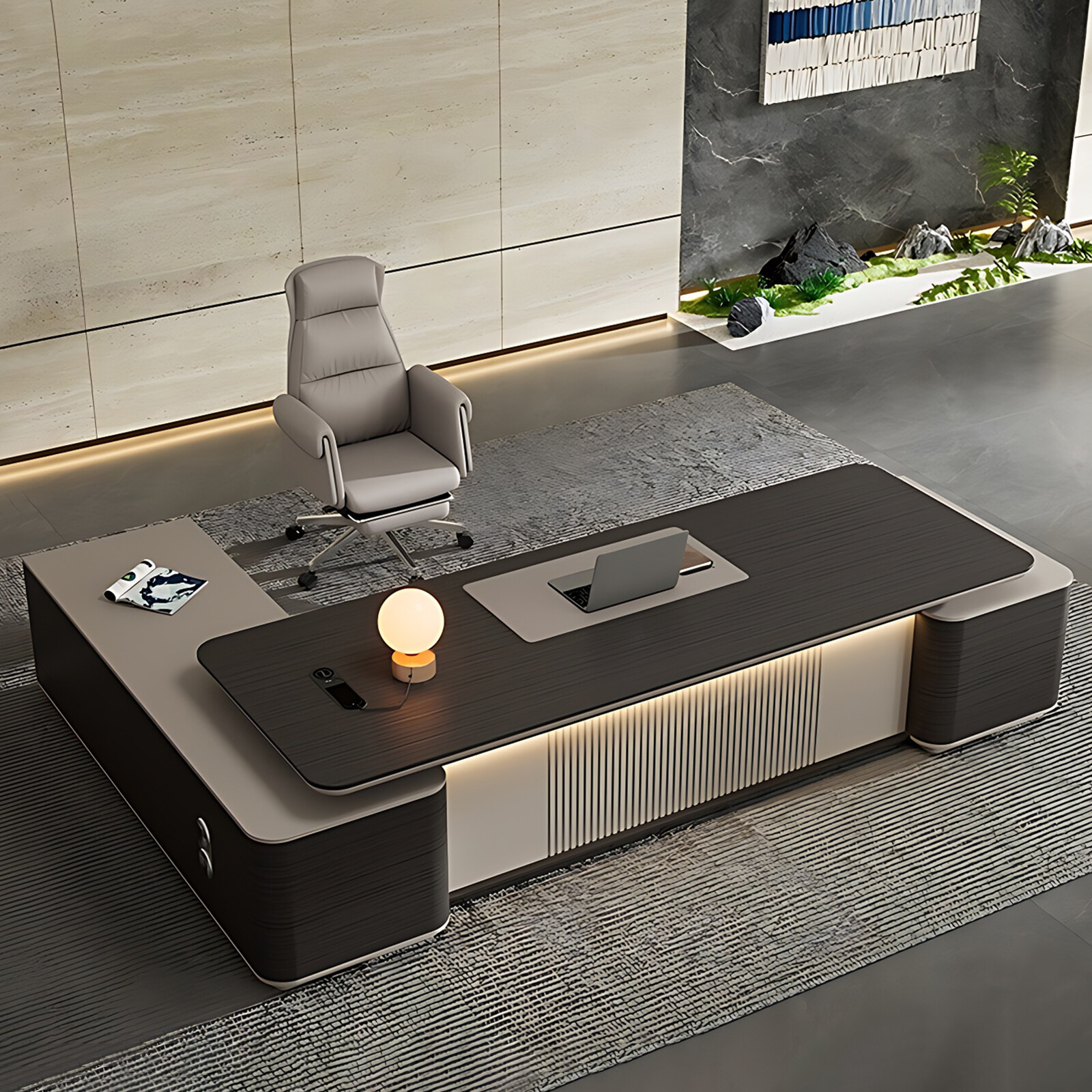
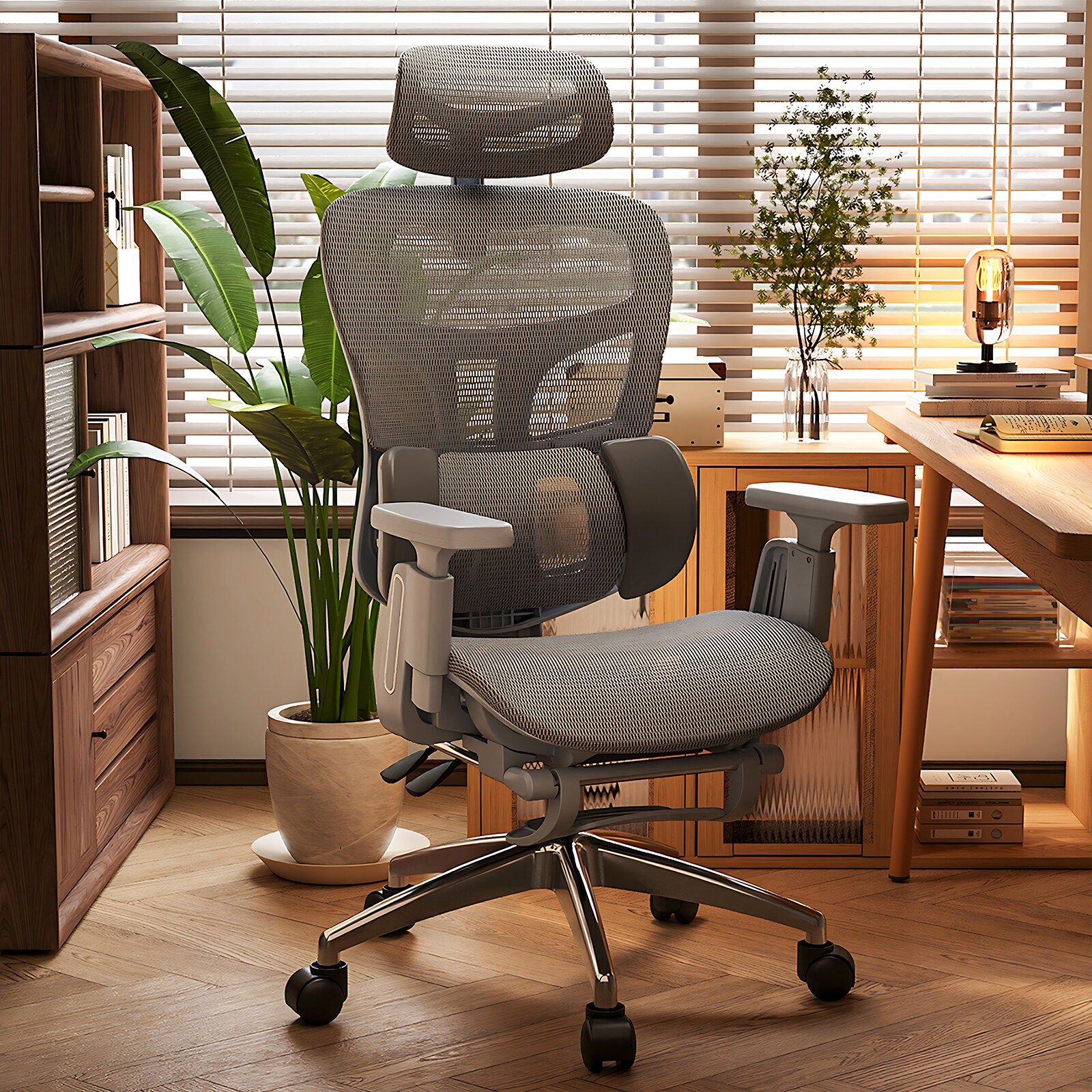
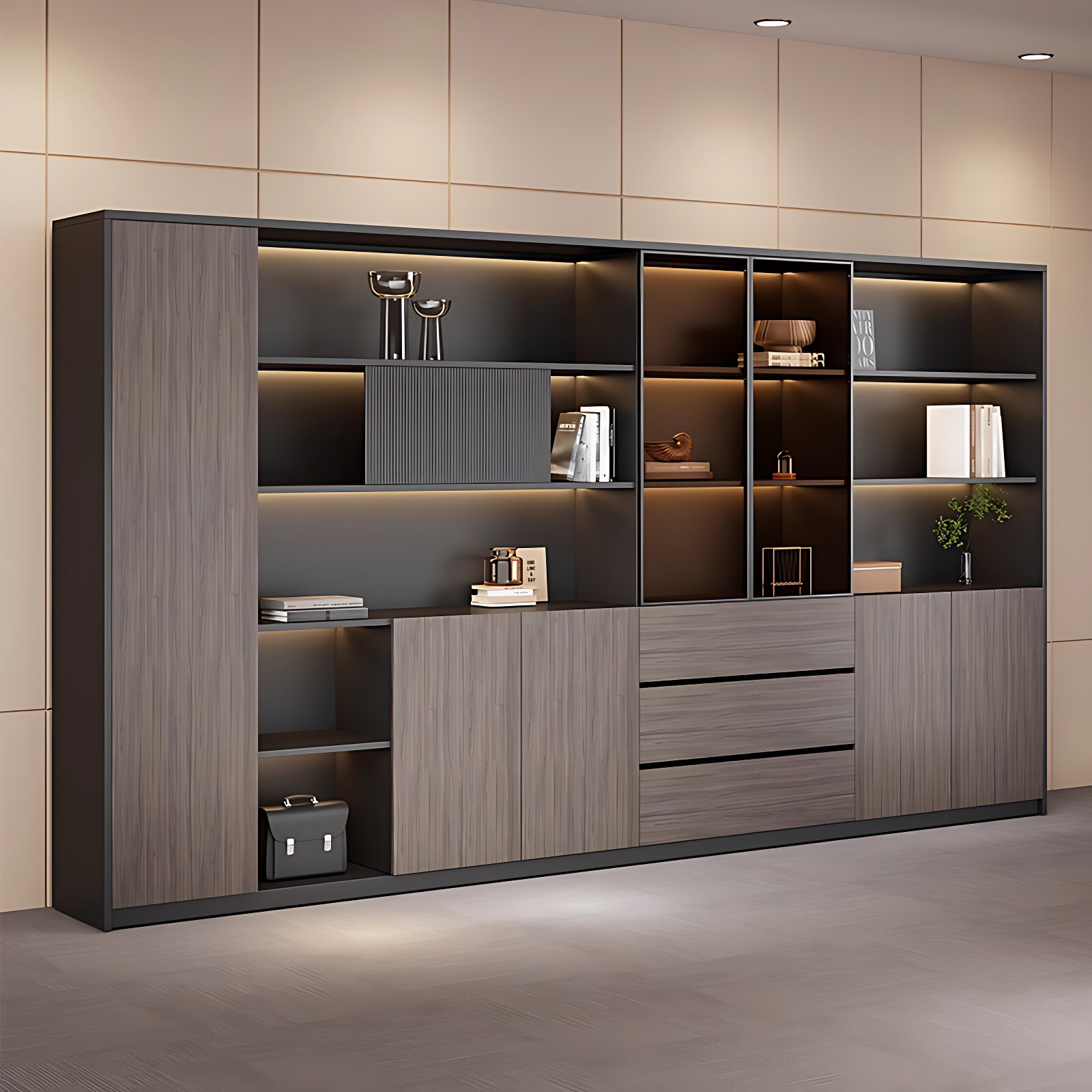
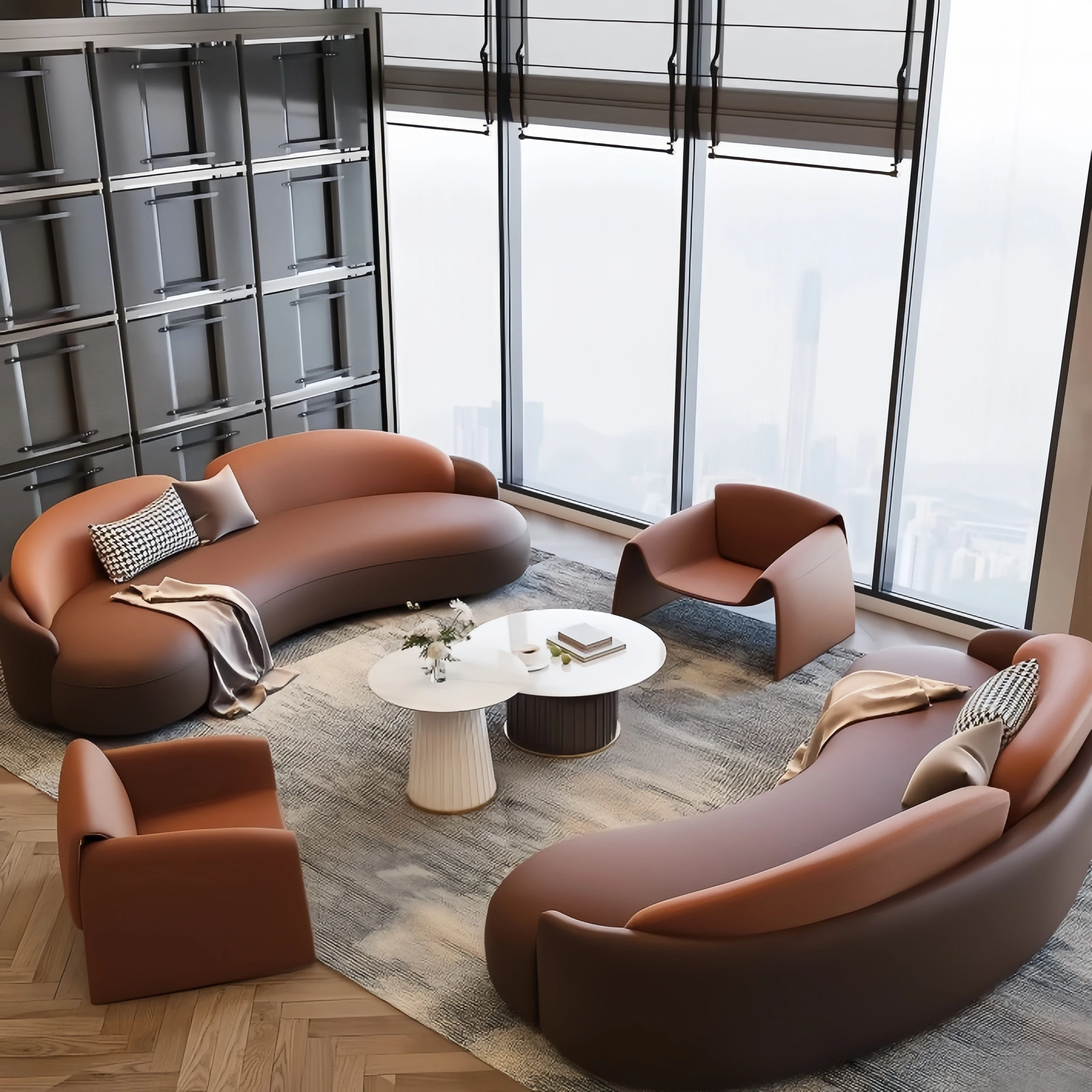

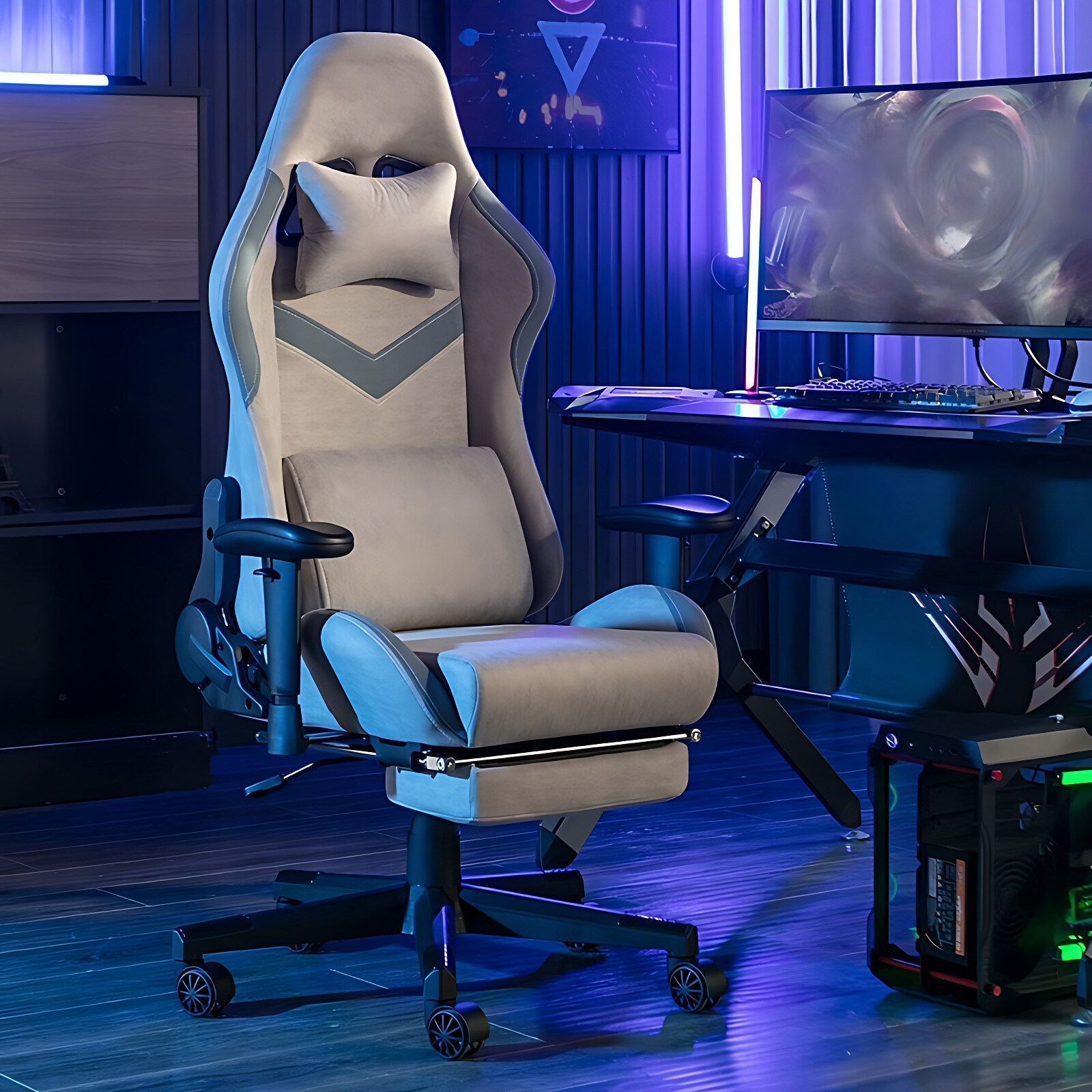

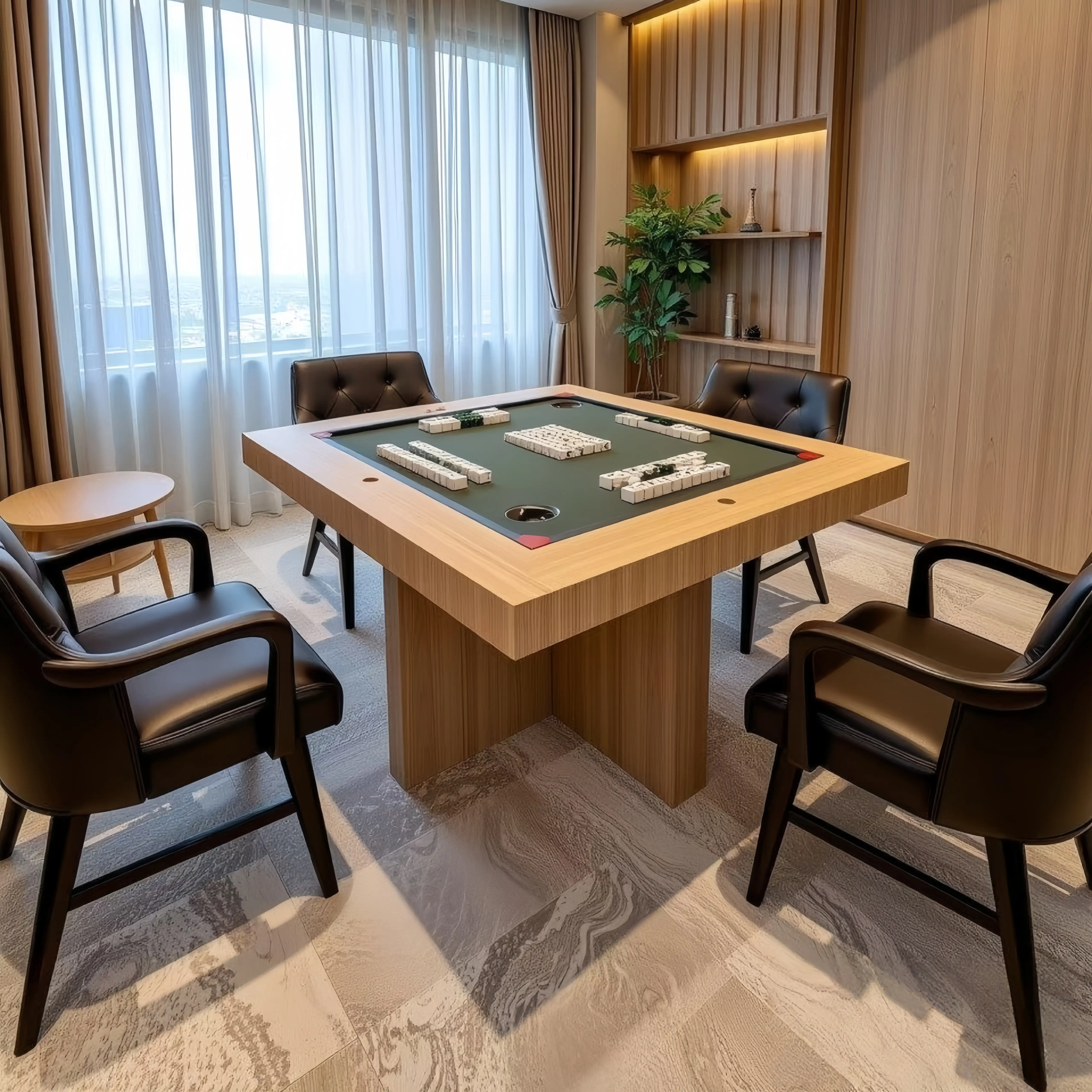
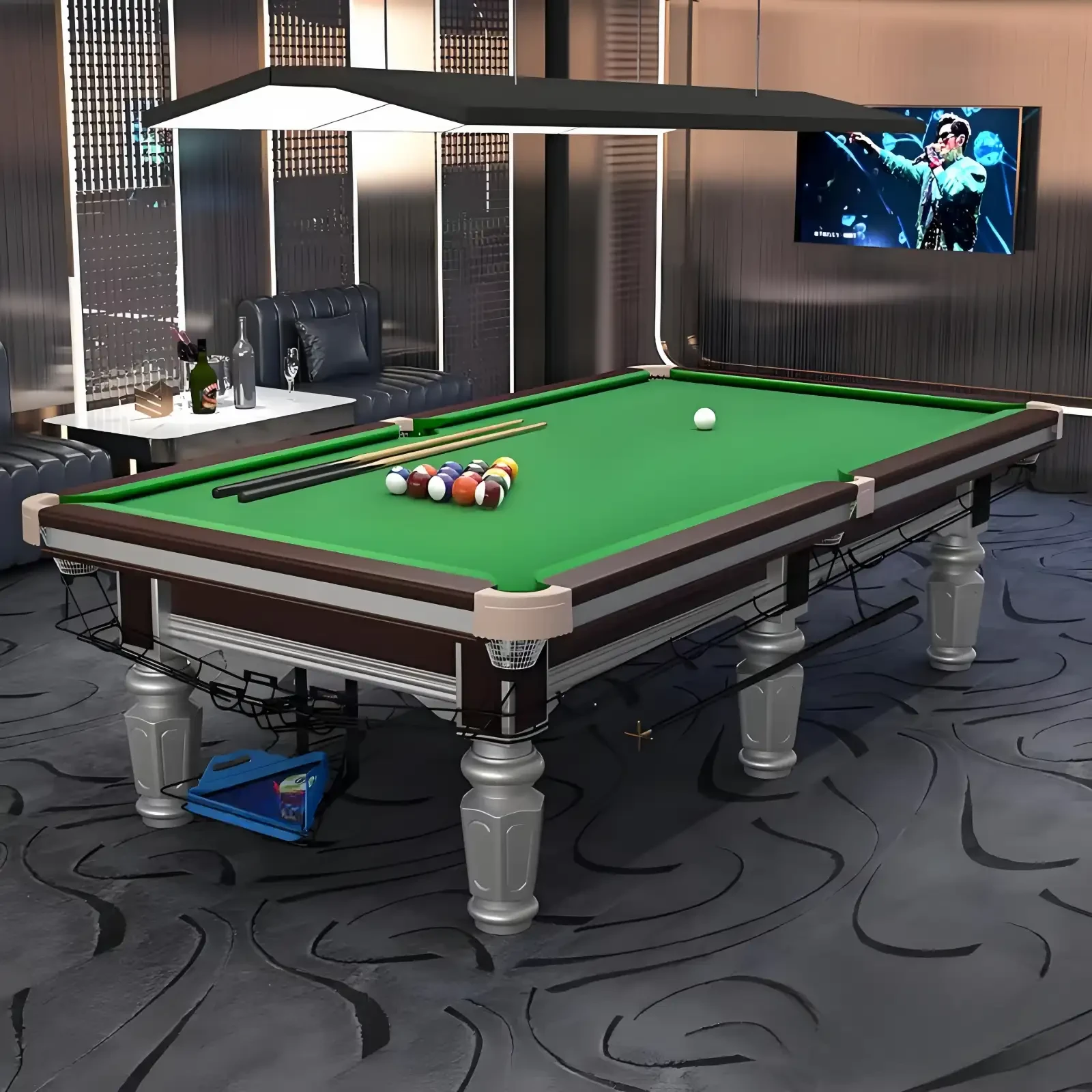

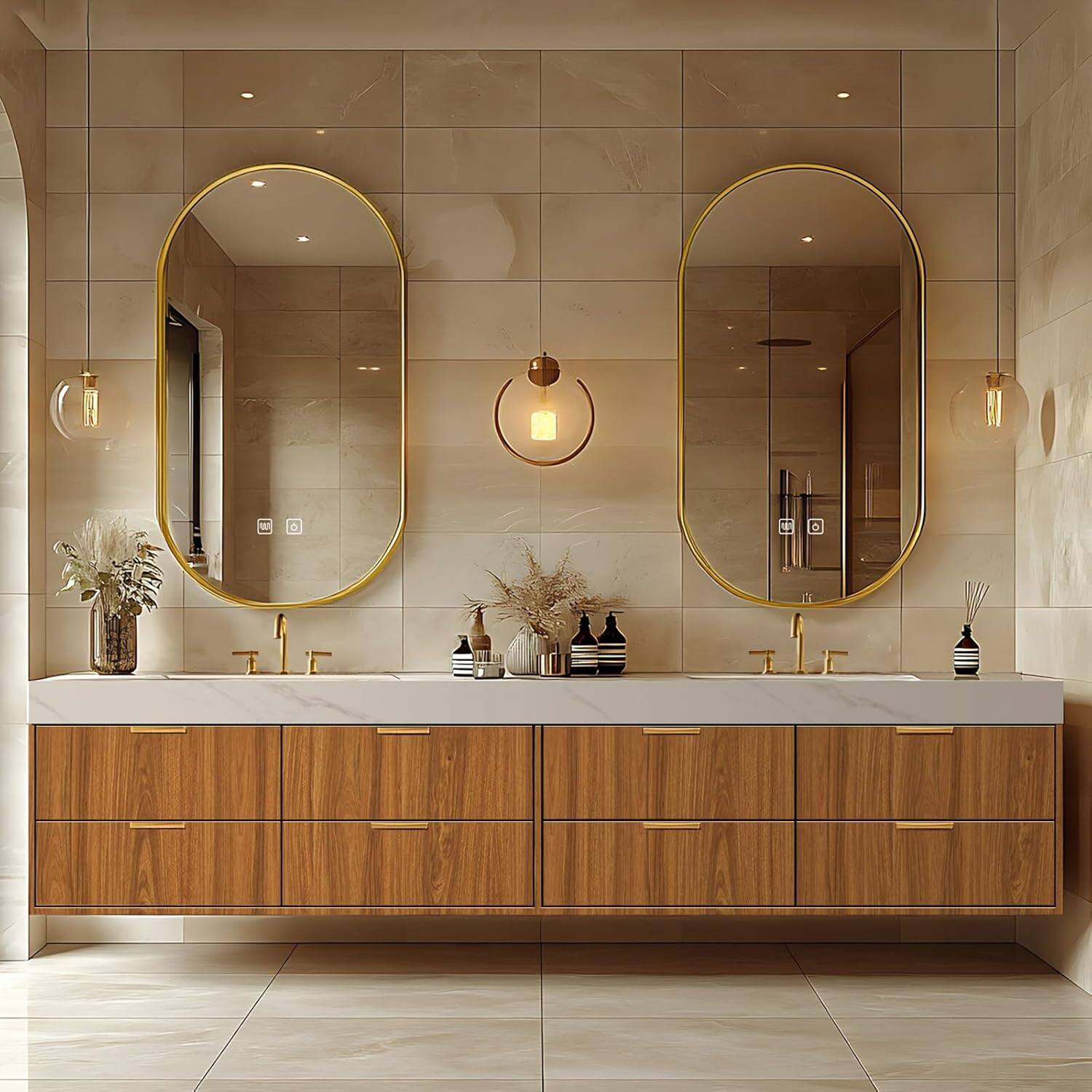
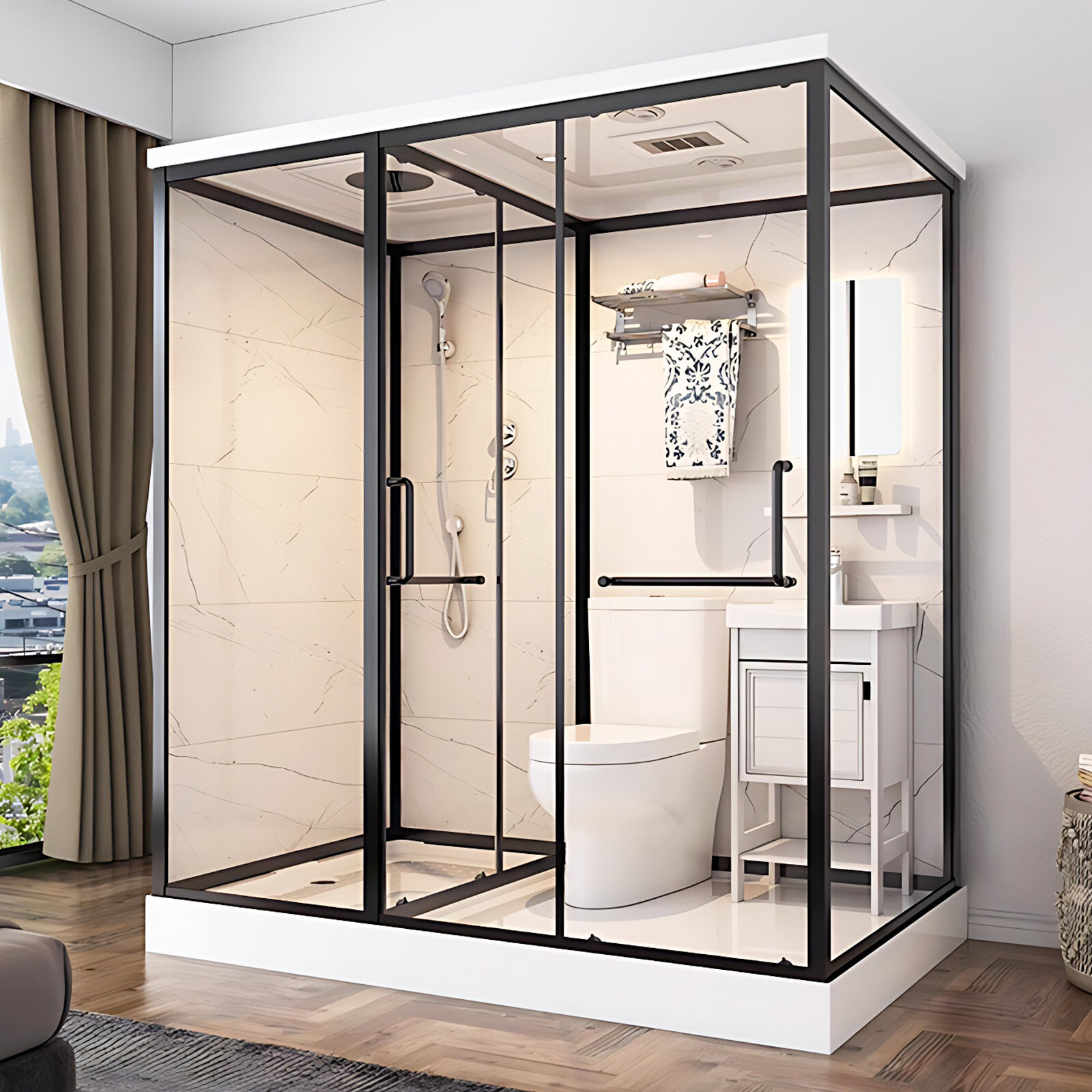
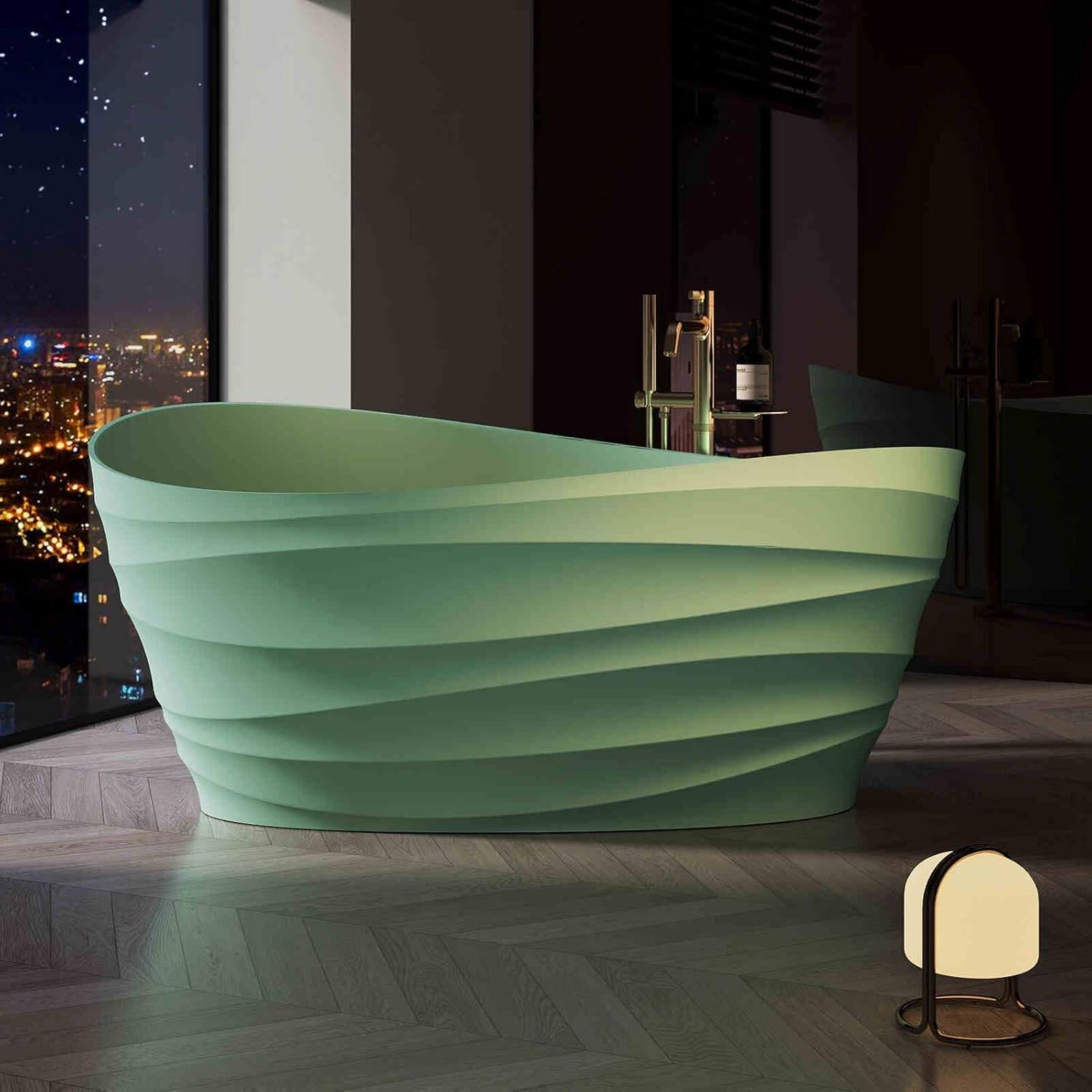
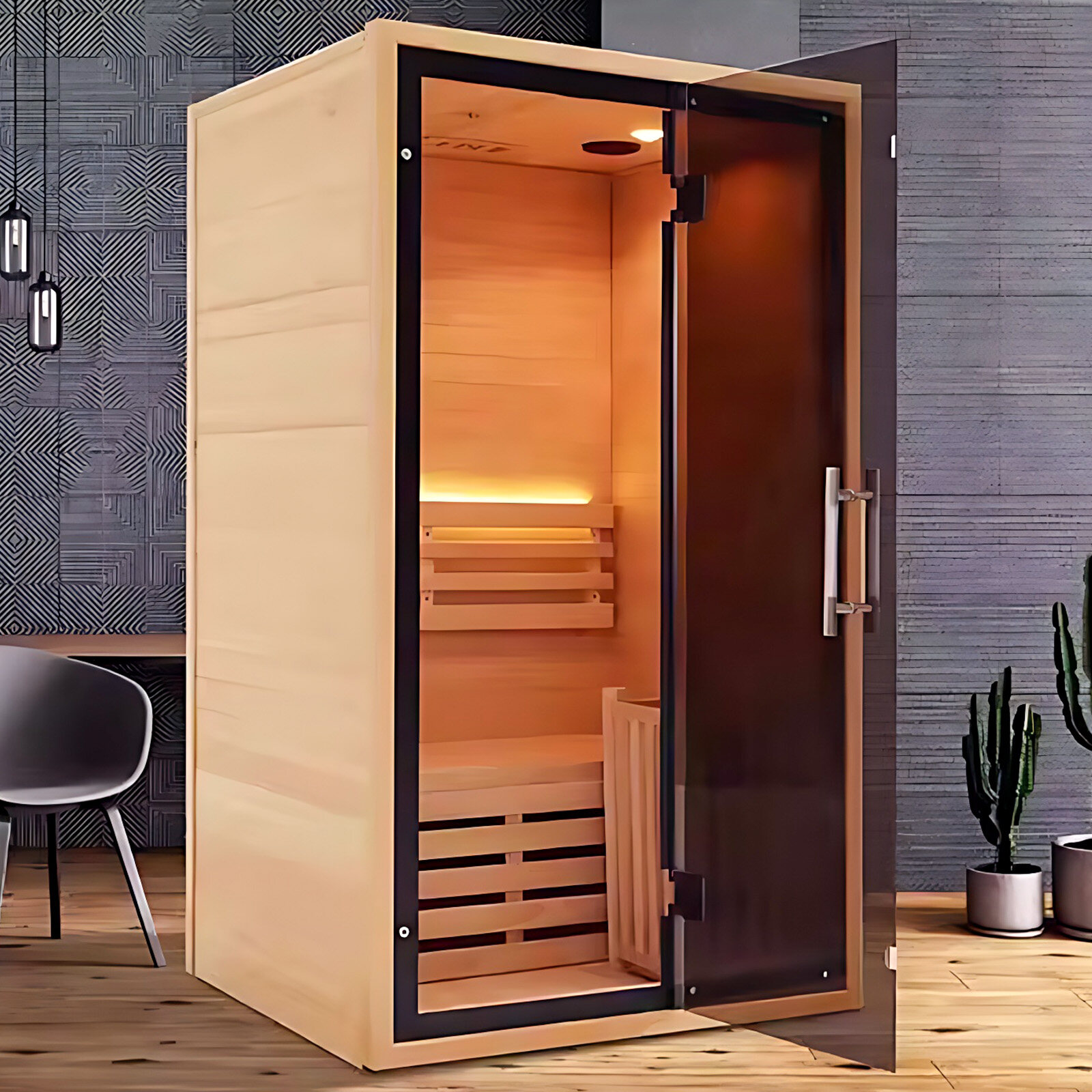
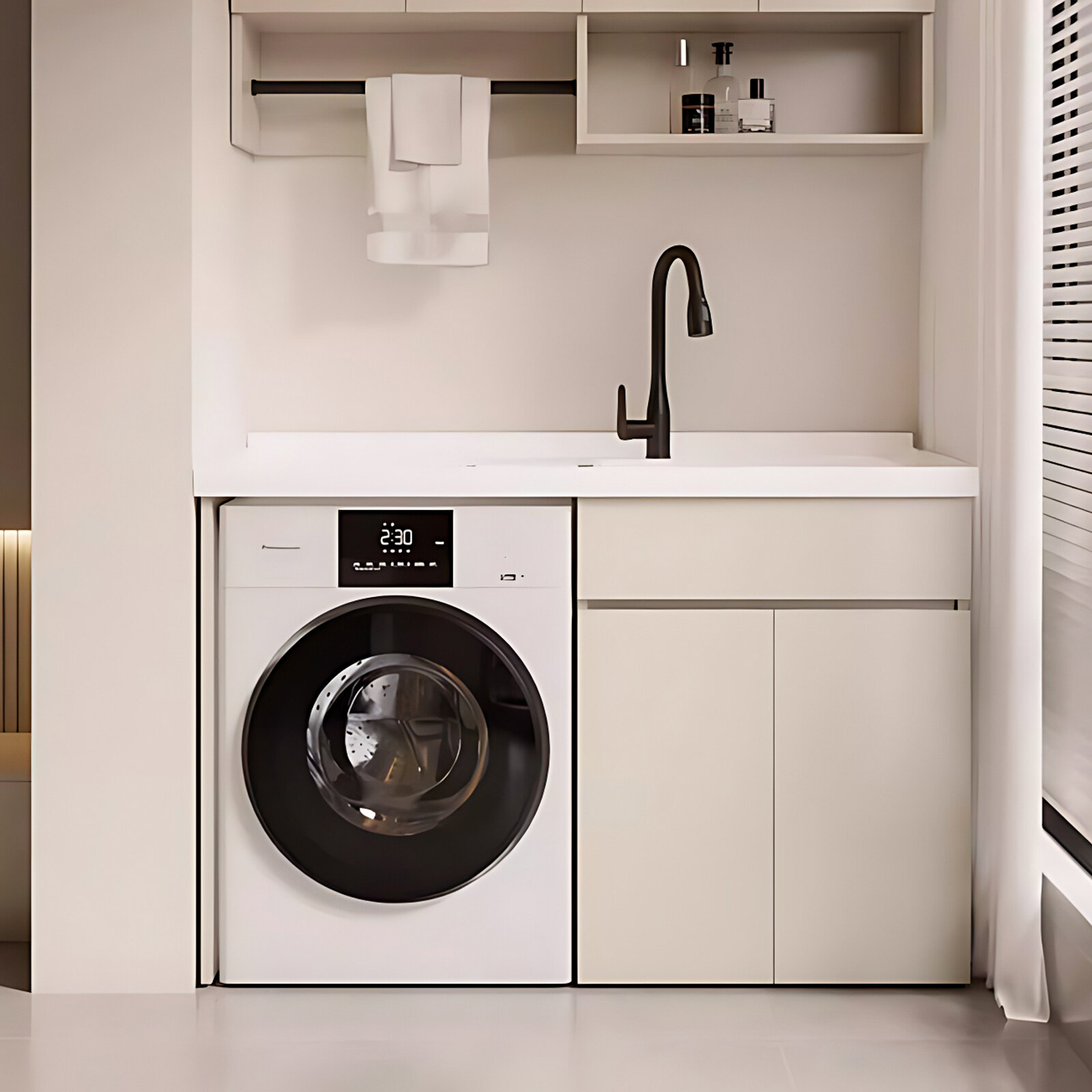
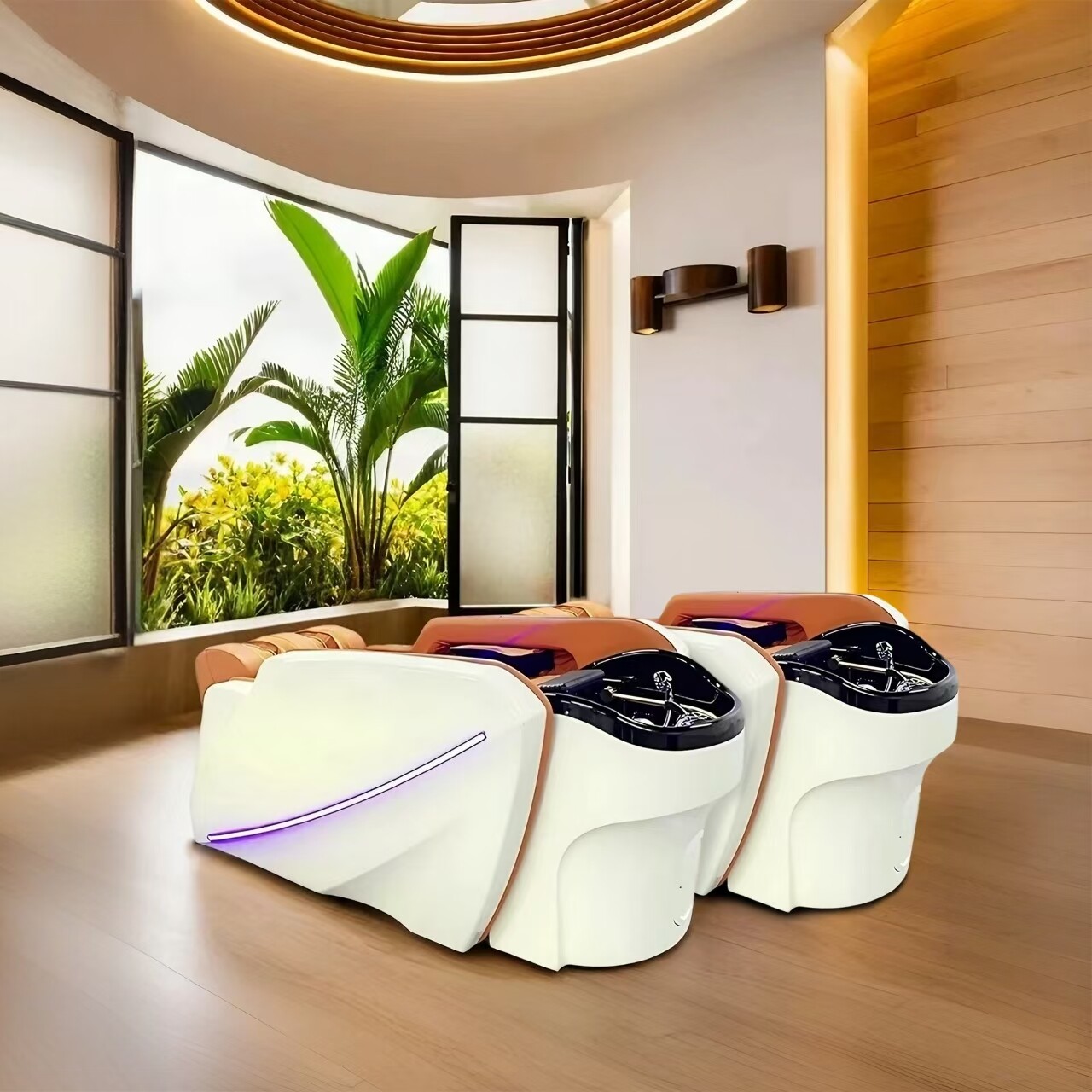
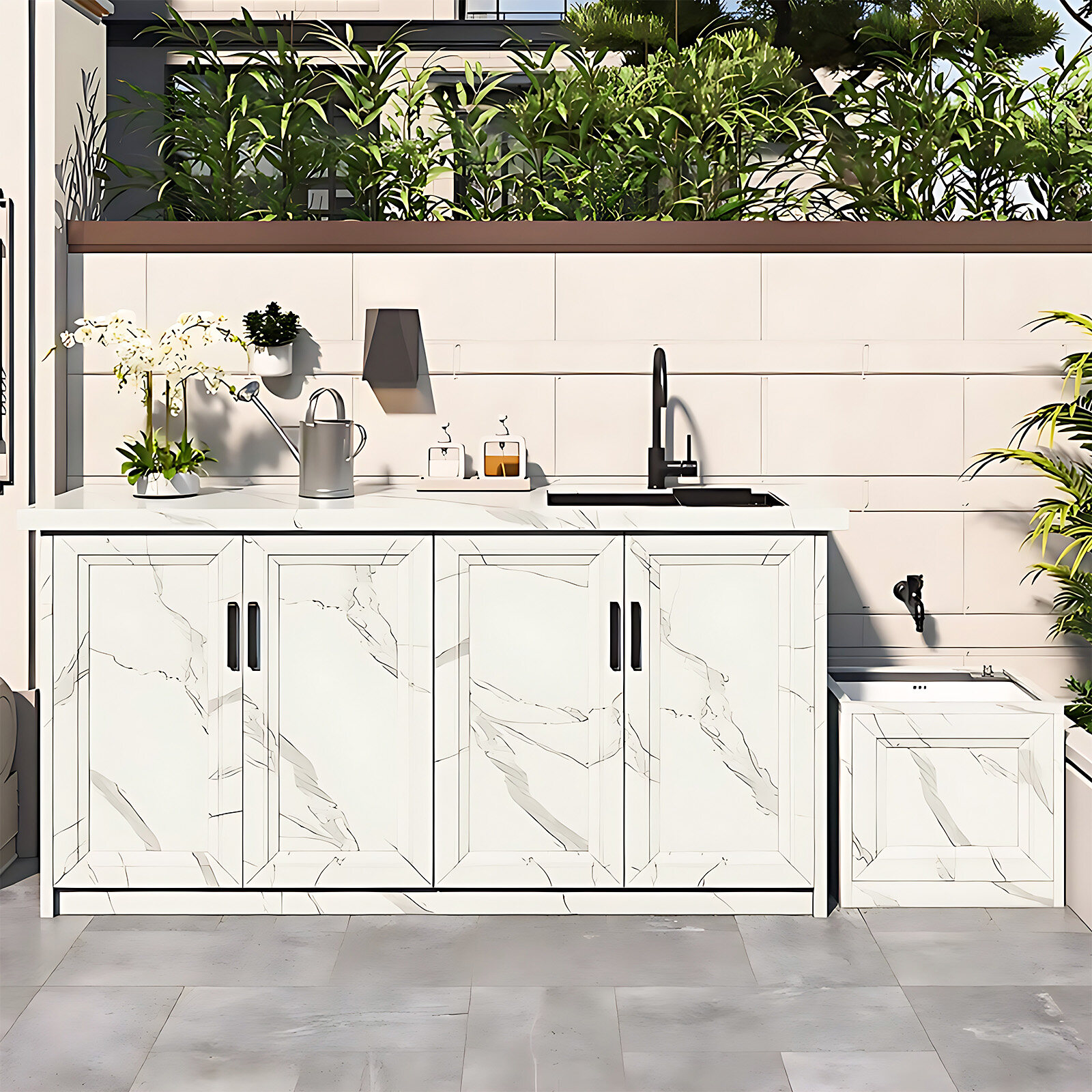
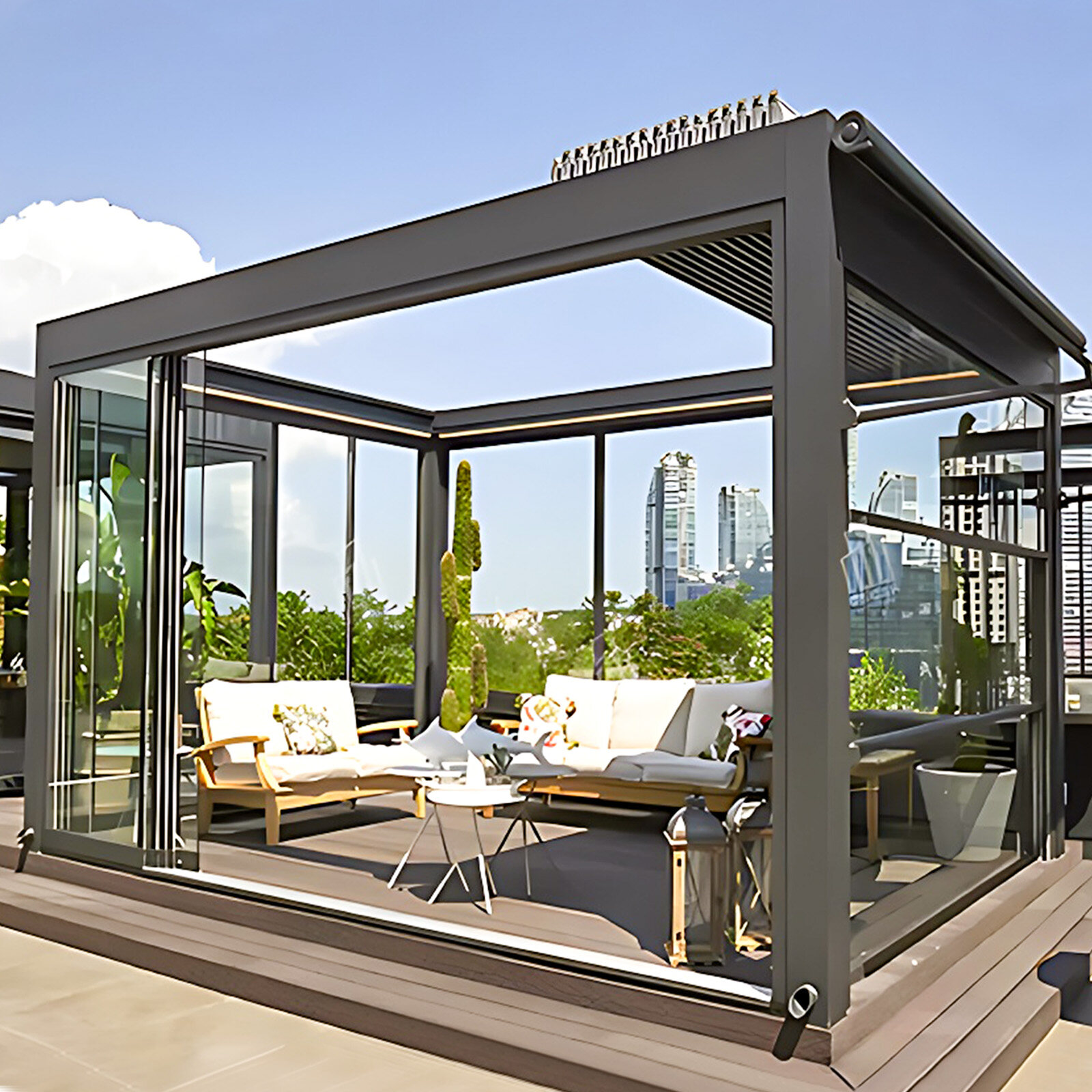
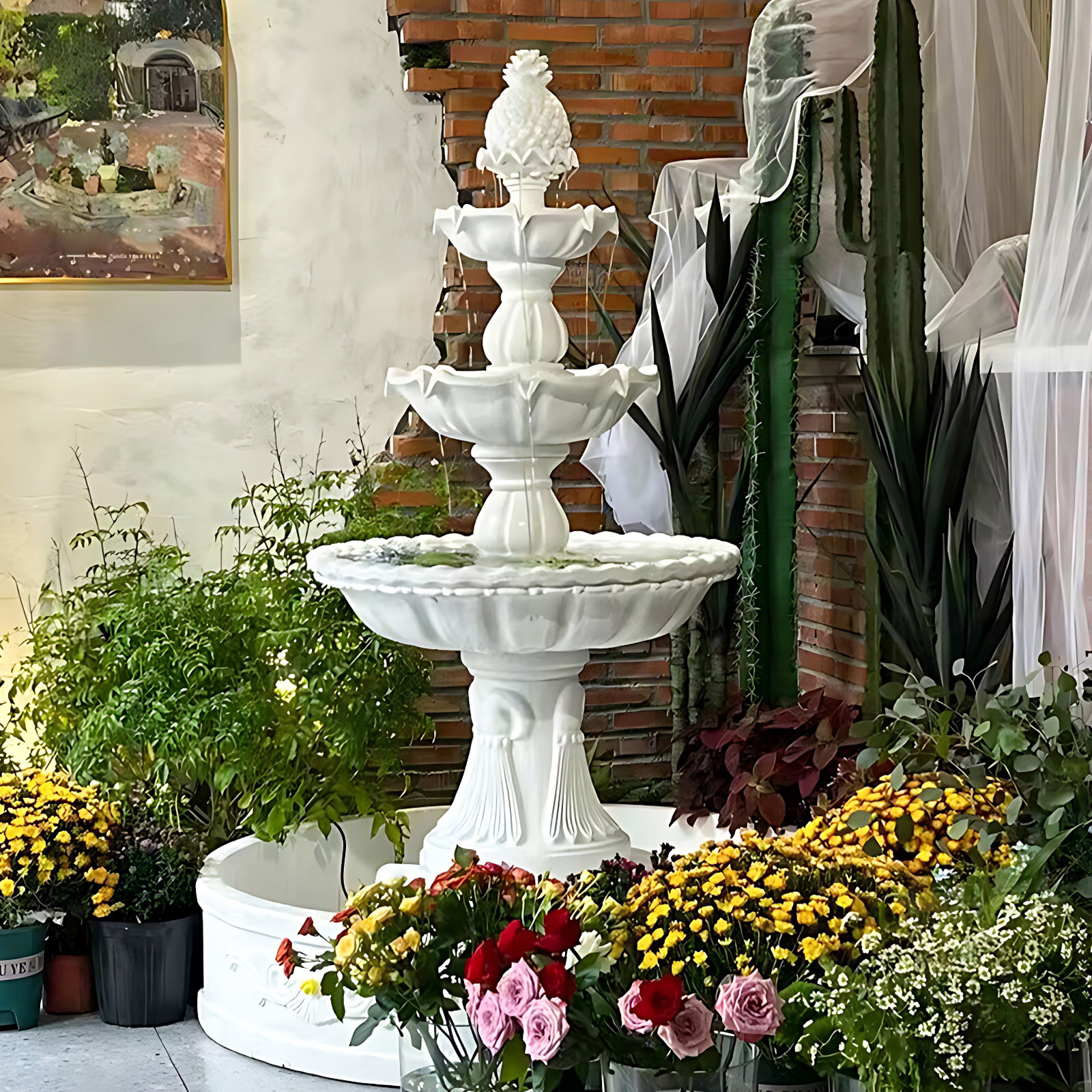
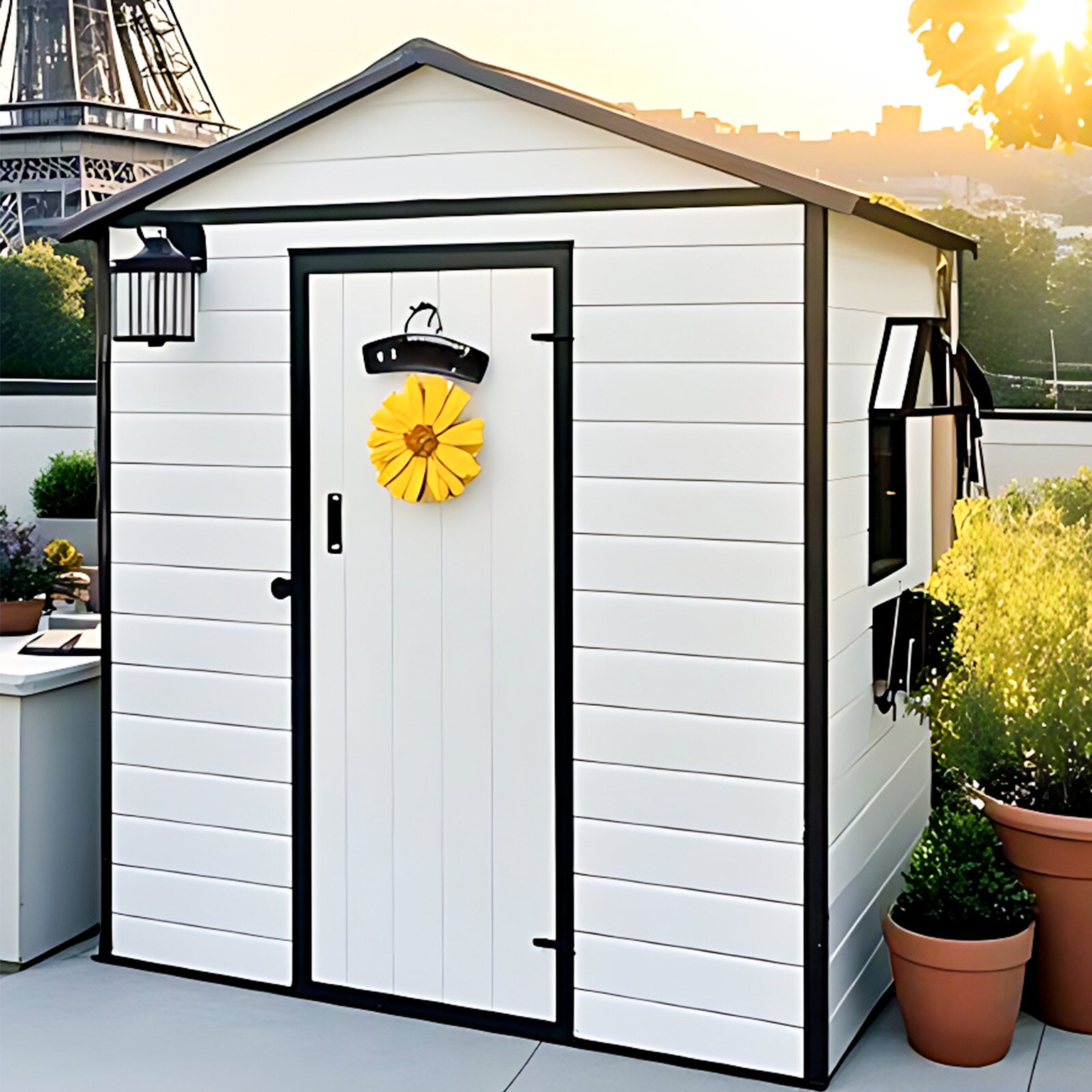
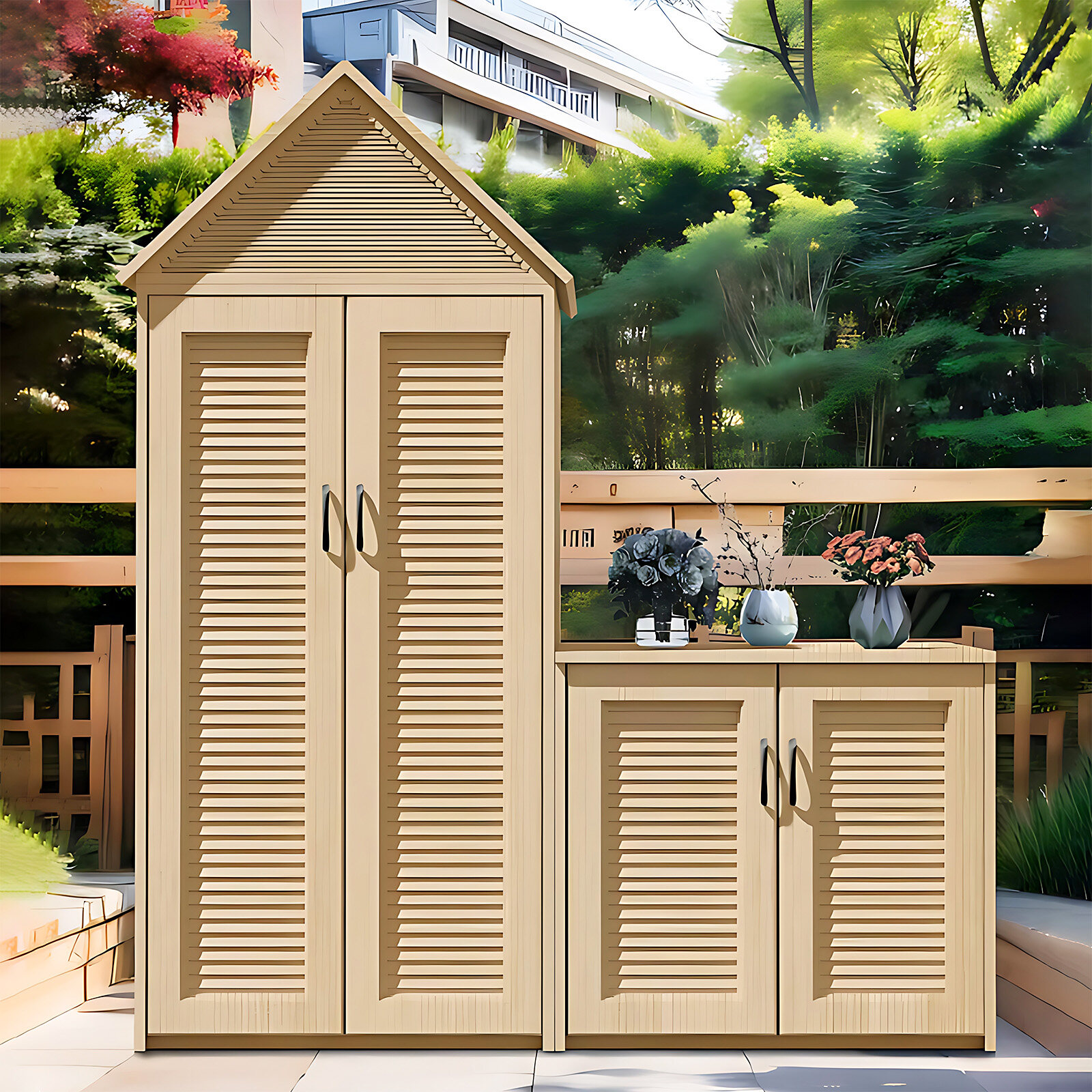
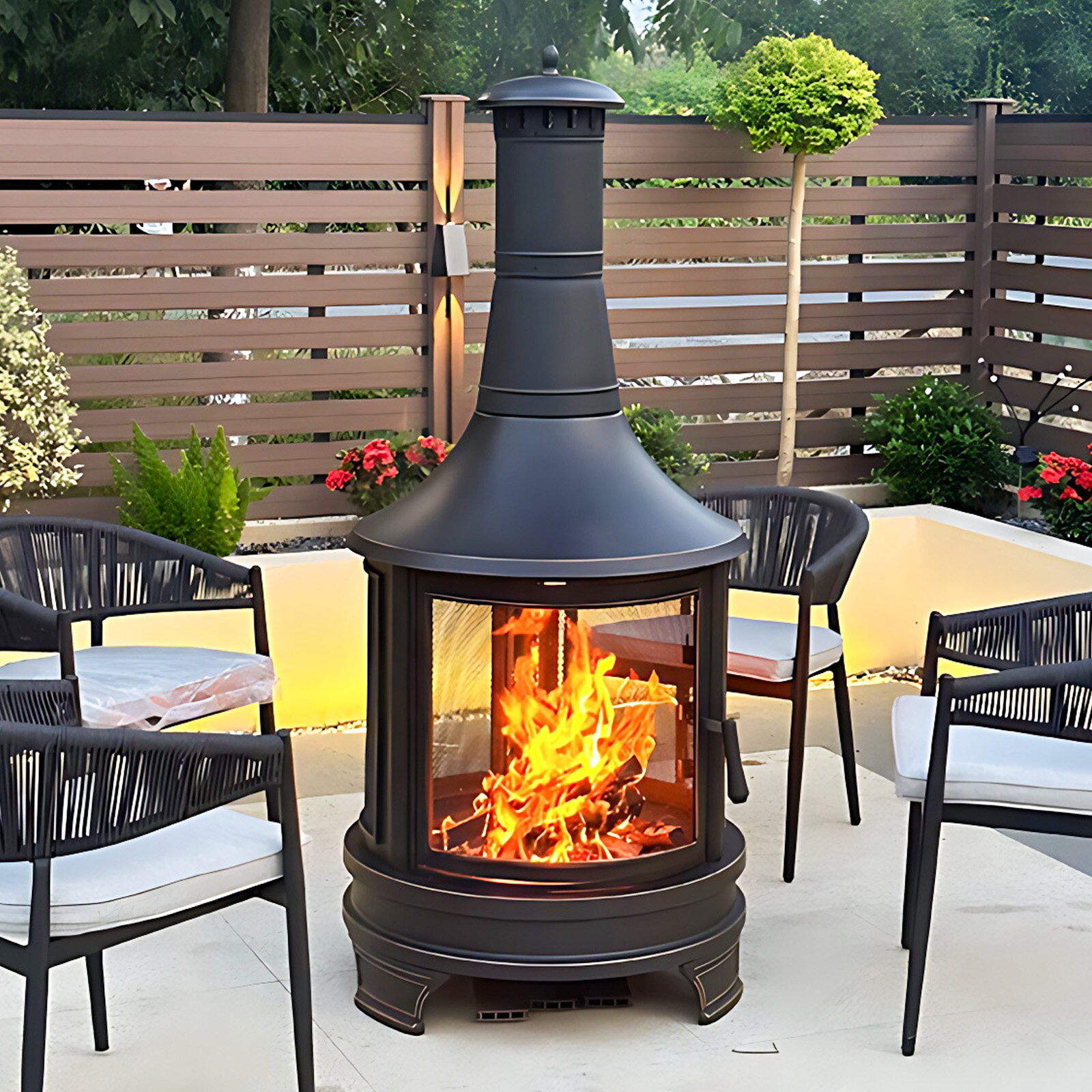

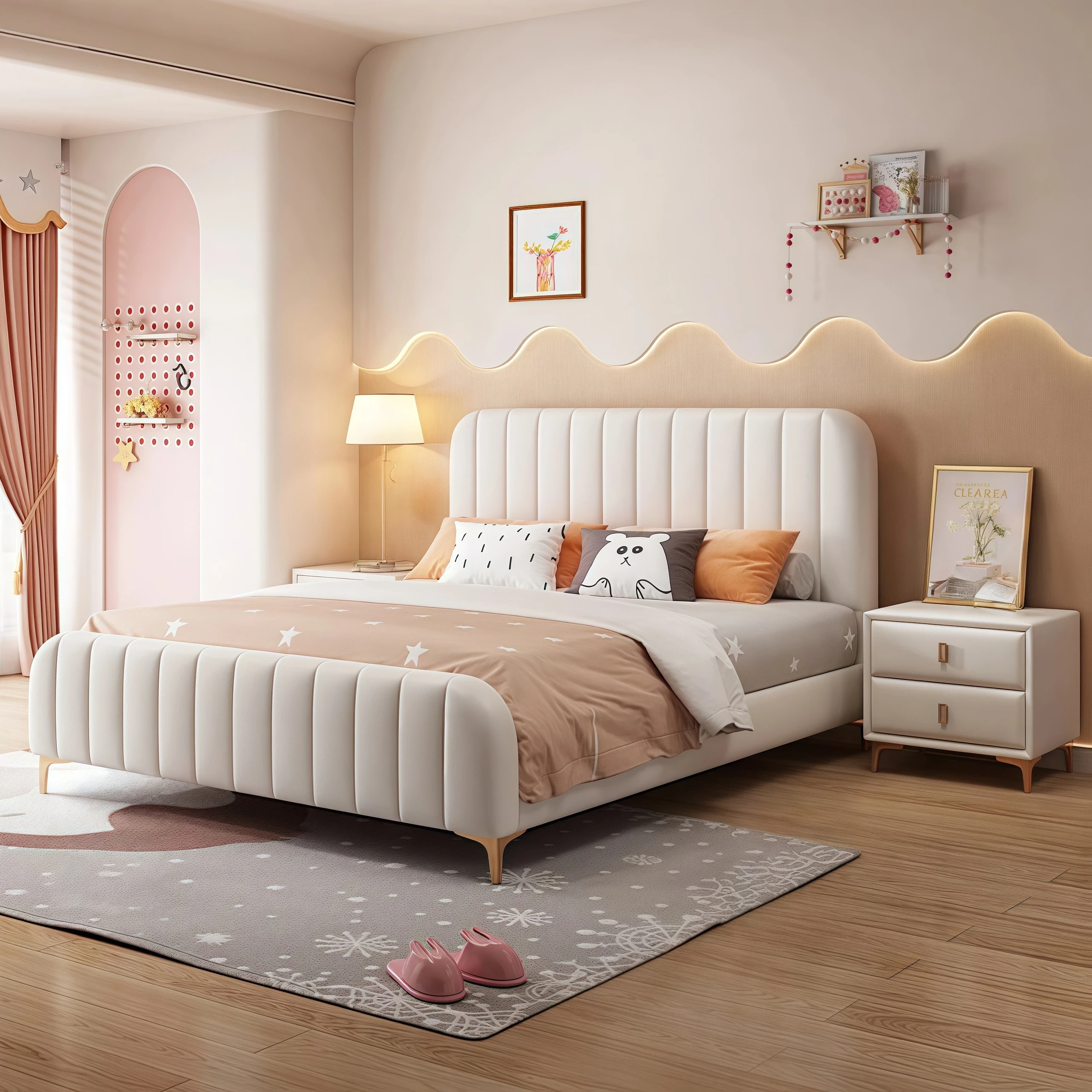
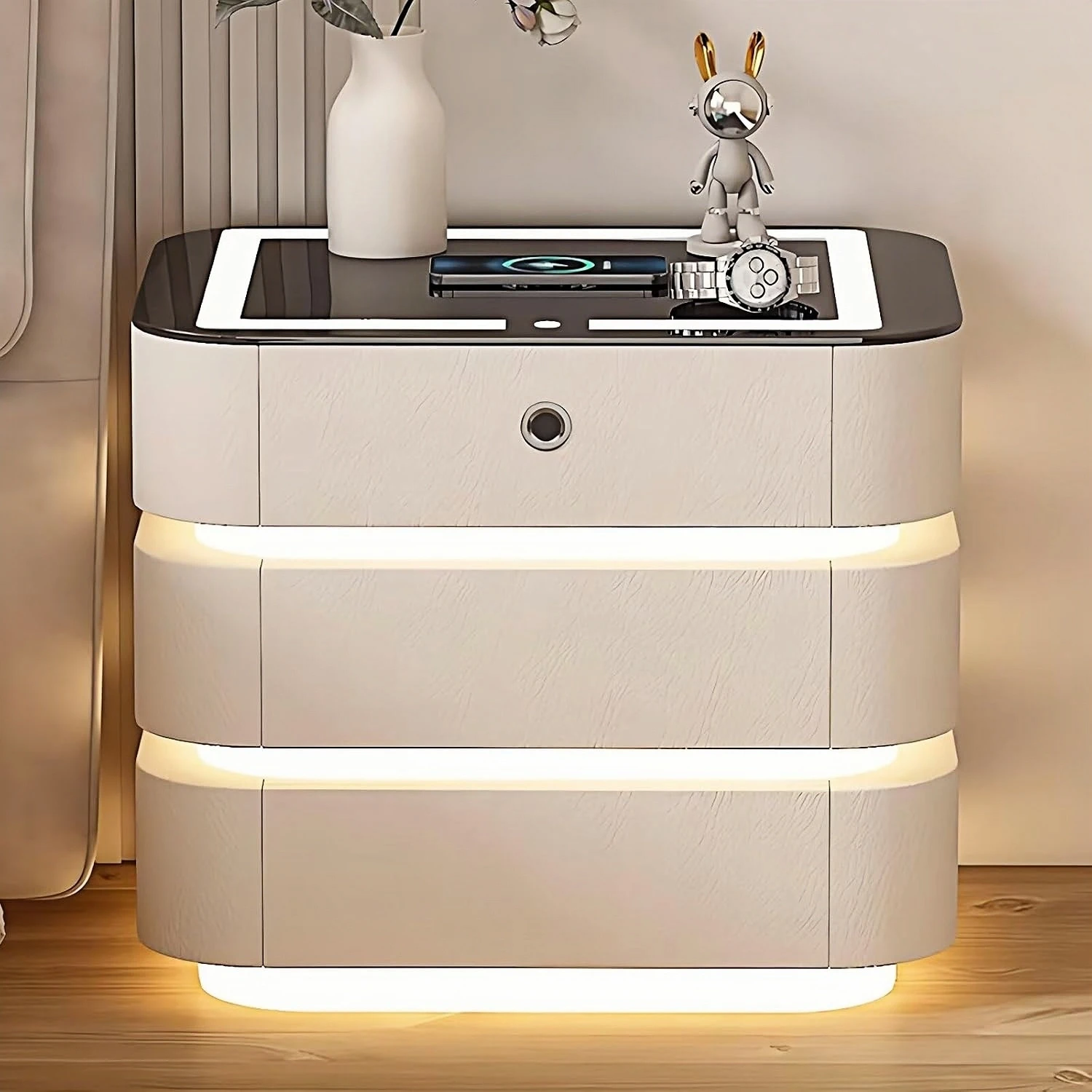
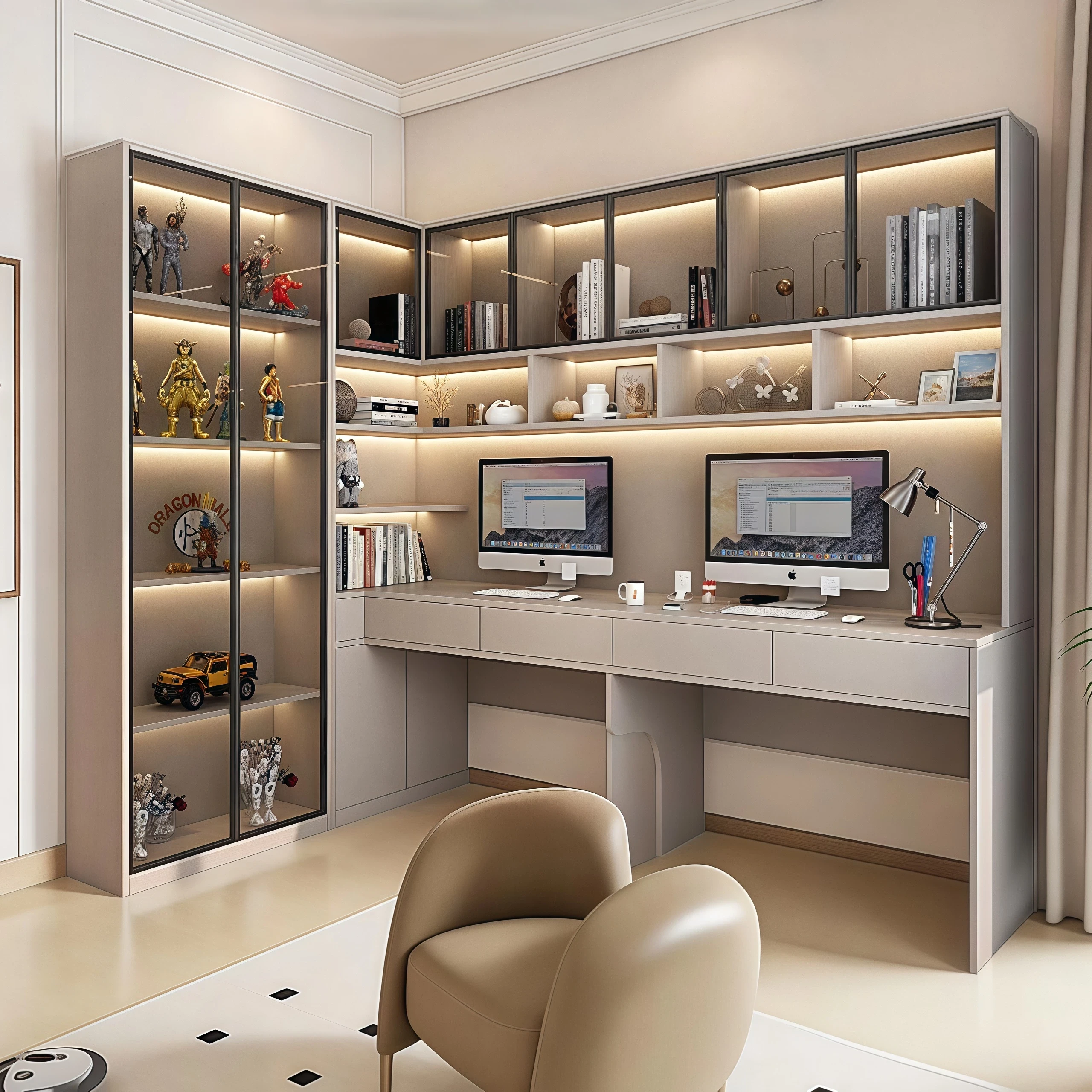
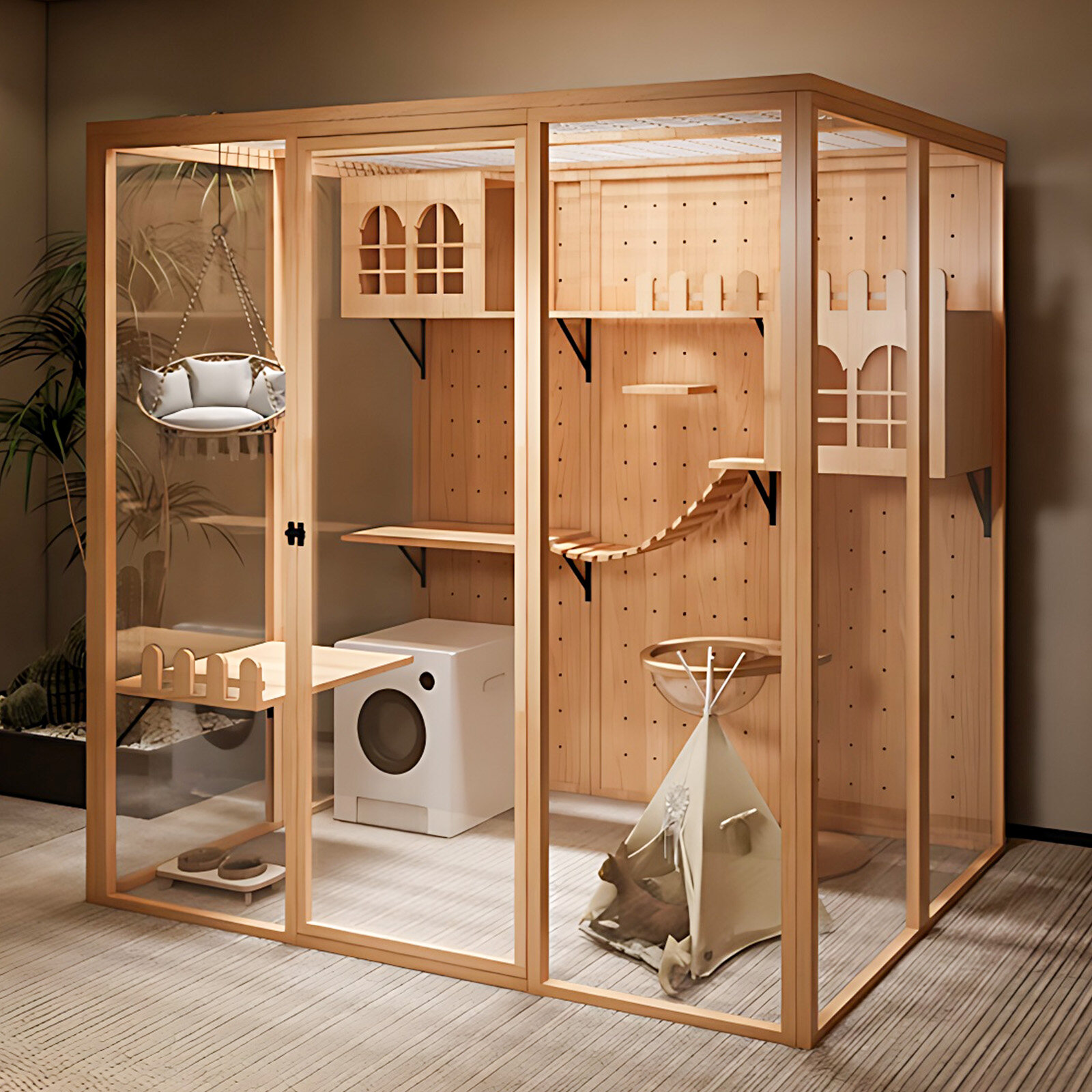
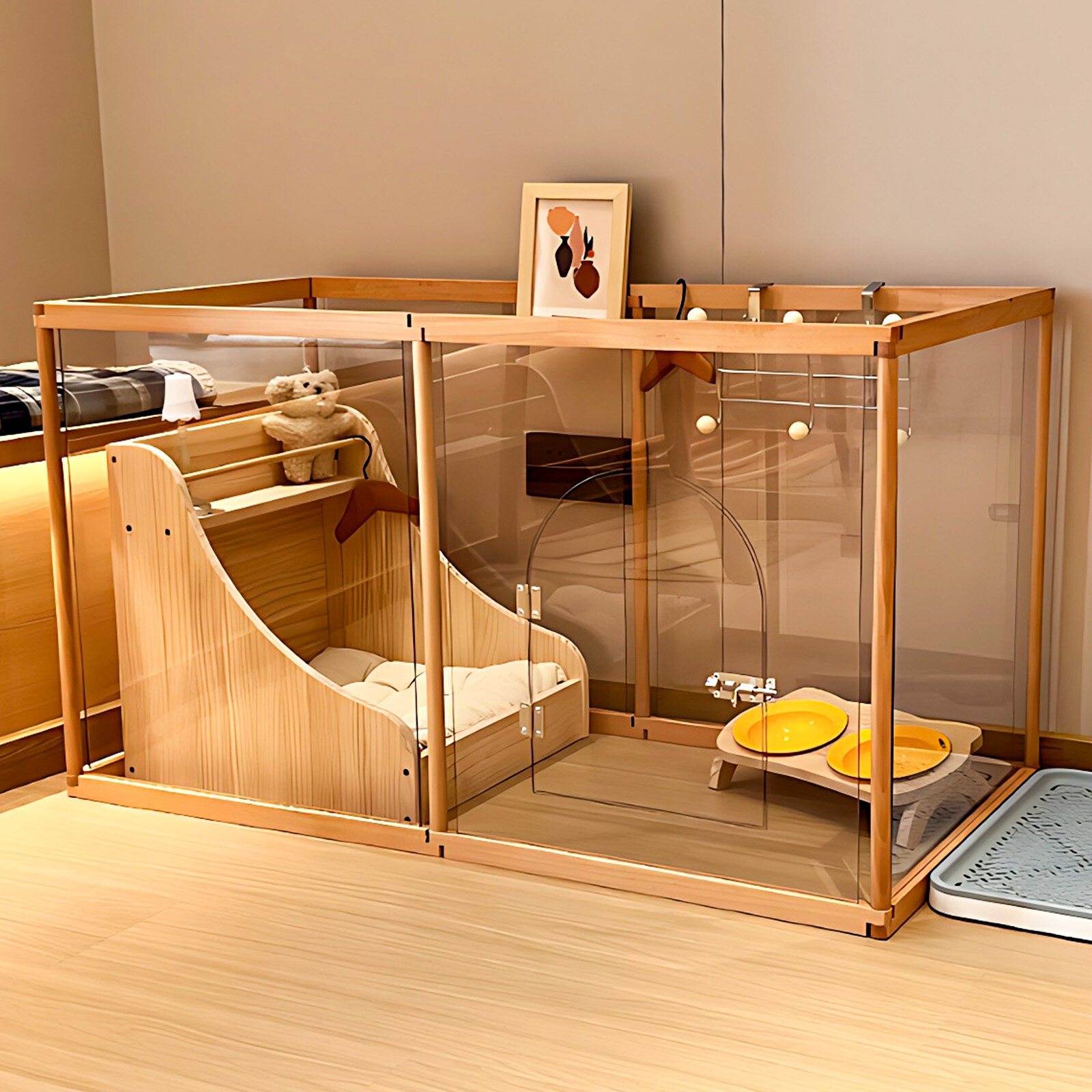
Engineered wood, also known as reconstructed wood or simulated precious wood, is a new, high-performance, all-wood material created through high-tech processing and beautification of ordinary (fast-growing) wood using biomimetic principles. It represents a cutting-edge, high-end product in the wood processing industry. Using the cross-sectional texture and color of naturally occurring precious tree species as a reference, engineered wood utilizes a process involving veneer coloring, lamination, and molding to simulate fast-growing wood. While still essentially wood, it retains the natural properties of natural wood in regulating temperature and humidity, as well as heat and electricity, while avoiding inherent defects such as knots, wormholes, color variations, and decay during processing. Furthermore, the modified process effectively addresses the cracking and deformation issues inherent in natural wood, effectively achieving the goal of "deriving from nature, yet surpassing nature."
Environmental protection upgrade, healthy home:
Environmental protection has become a major requirement in today's society. Only environmentally friendly and pollution-free products can guarantee their competitiveness. Our technological wood production process is highly mature. In 2010 and 2015, we successfully developed E1-grade, E0-grade, and formaldehyde-free products, respectively. In June 2015, our research institute and our technological wood company jointly developed formaldehyde-free veneer, which has been approved by customers. Our continuous improvement in the environmental performance of our products has ensured we remain at the forefront of the industry and have become a leader.
Rich in variety, better than nature:
Technological wood boasts a rich variety of over 1,500 species. Through scientific reorganization, we produce a variety of textures tailored to individual needs, making decorative effects even more unique. These textures can not only mimic the grains of natural wood species, but also create textures not found in nature. These woods overcome the inherent defects of natural wood, such as insect holes, knots, decay, color changes, and color variations, thus better aligning with the Chinese pursuit of perfection and the rejection of imperfections.
Stable, durable and powerful:
Technological wood has mastered environmental protection and bleaching technologies, achieving internationally advanced color fastness. It overcomes the warping and deformation shortcomings of natural wood, boasting superior density, hardness, static bending strength, and anti-bending strength, while also being more stable. Furthermore, the product is endowed with multiple functions, including anti-corrosion, moth-proofing, moisture-proofing, sound absorption, and flame retardancy treatments during production, making it even more suitable for human living and residential conditions.
High color fastness, beautiful and long-lasting:
Technological veneer is colored by the intermolecular bonding of dyes. Ordinary veneer has low color fastness and easily fades in sunlight, high temperature, and humid environments. However, veneer products utilize special dyes with high color fastness, exceeding the national color fastness level II standard, resulting in virtually no fading or discoloration. In 2015, they even overcame the challenge of gray color fastness and developed a high-color fastness gray product.
Innovative specifications make customization easier:
We break through conventional limitations and offer custom production of extra-long, extra-thick, and extra-wide veneers. Veneers can be extended to a maximum length of 3400mm, a width of 1280mm, and a thickness of 300mm, surpassing the conventional size of 2500*640mm. In 2015, we began mass production of extended length and width orders.
Protect the environment, industry recognition:
The technological wood products won the "Innovation Product Award" in the United States. They not only won full recognition from the American market with their excellent product quality, but also because of the high comprehensive utilization rate and finished product utilization rate of technological wood, they can reduce resource waste and make due contributions to promoting the protection of the entire earth and environment.
Widely used and ubiquitous:
Technological wood is primarily used to meet the renovation needs of factories, engineering projects, and other areas. It finds application in nearly every field where wood is used. Its application areas can be broadly categorized into three main areas: home decoration, industrial use, and commercial use. With the continuous advancement of production technology, technological wood, as a new concept in finishing materials, is gaining increasing recognition among manufacturers in various fields, including engineering and furniture factories.