
 USD
USD
 GBP
GBP
 EUR
EUR
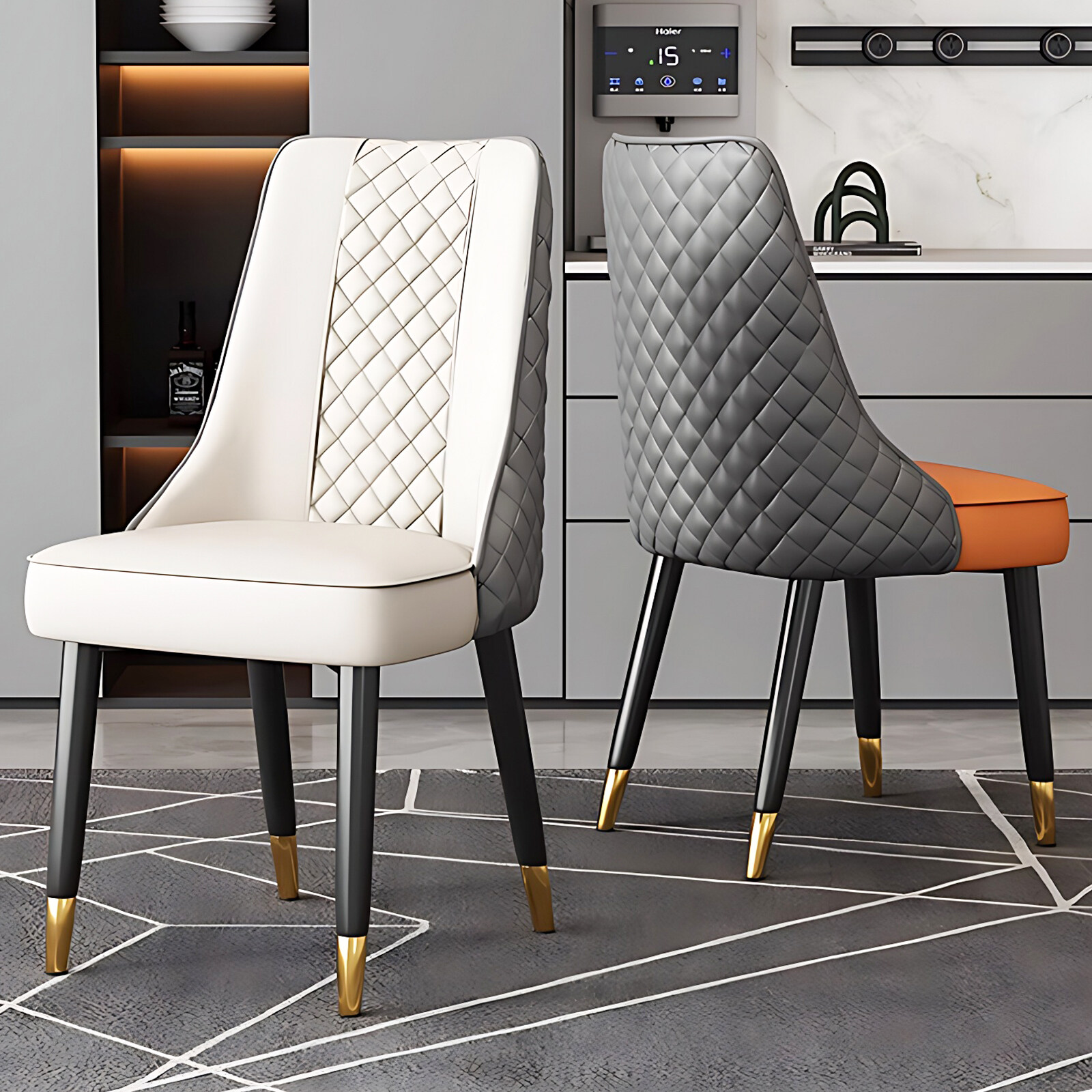
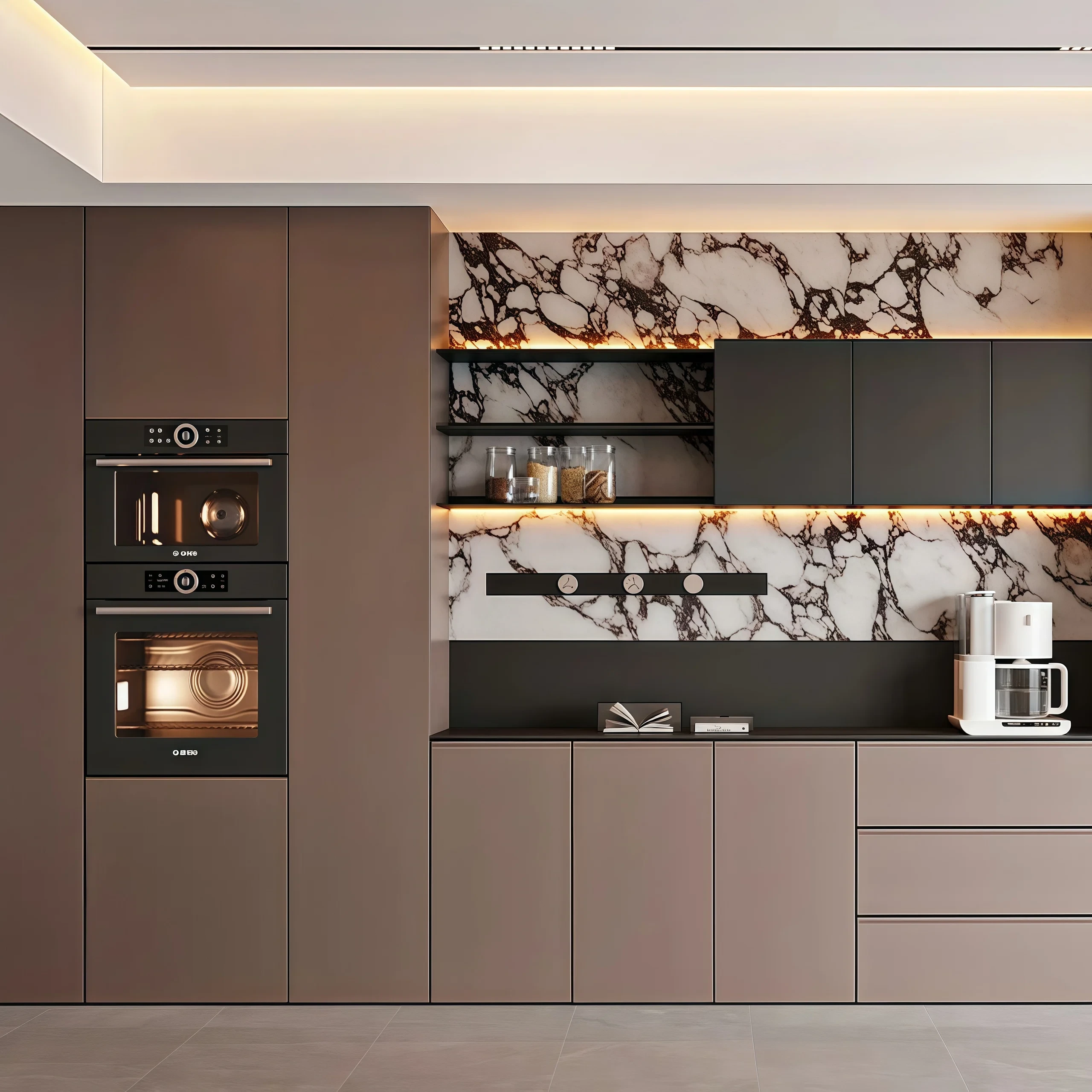
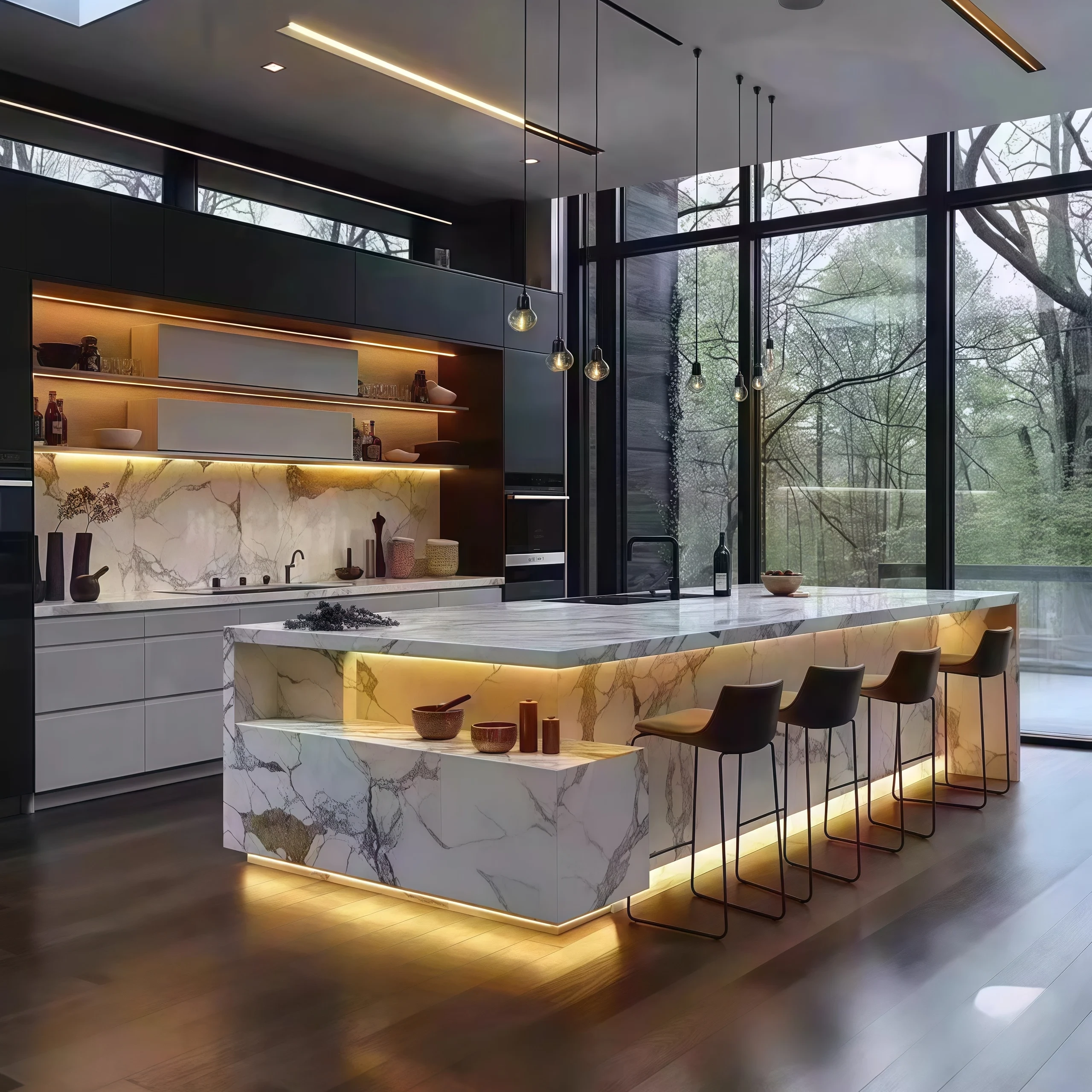
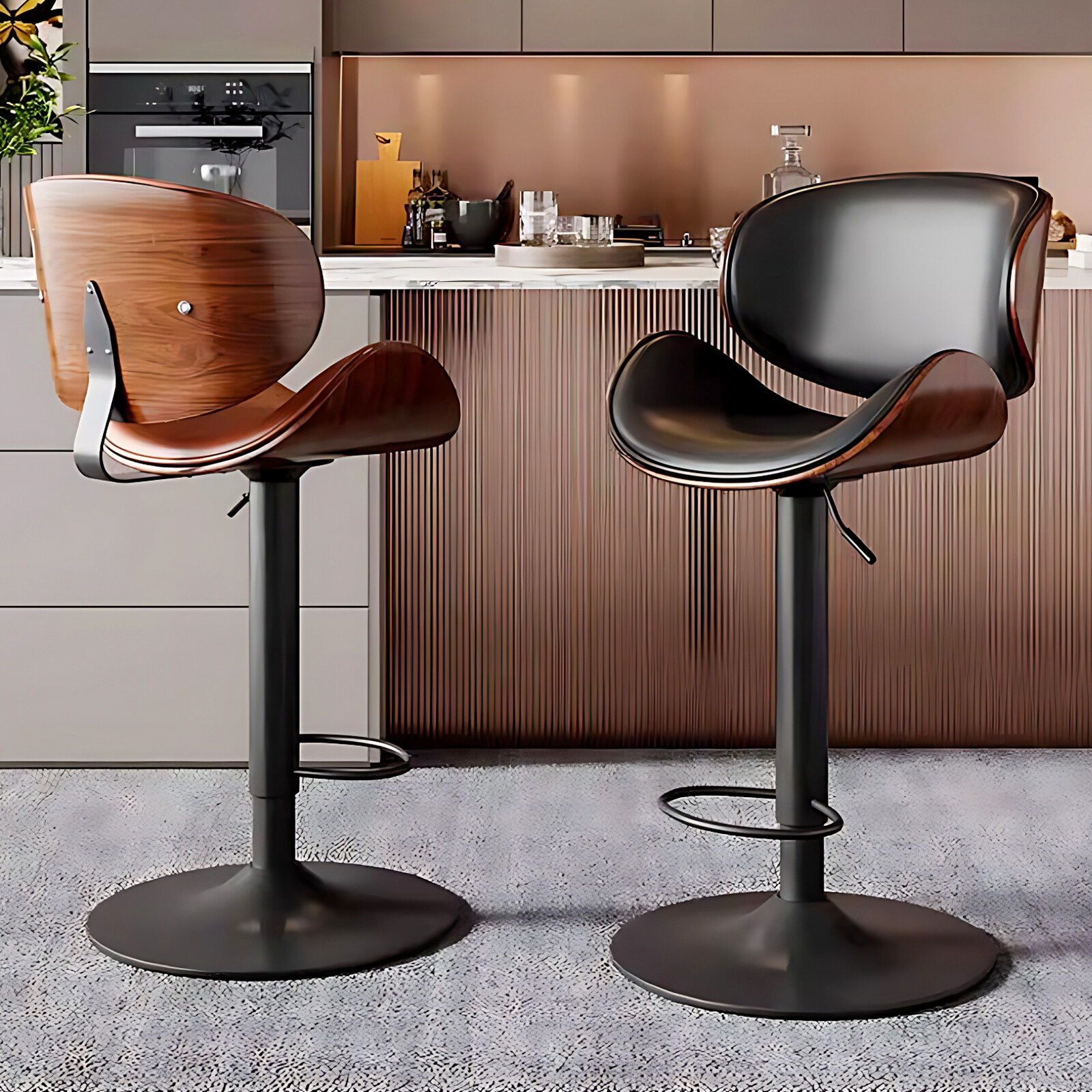
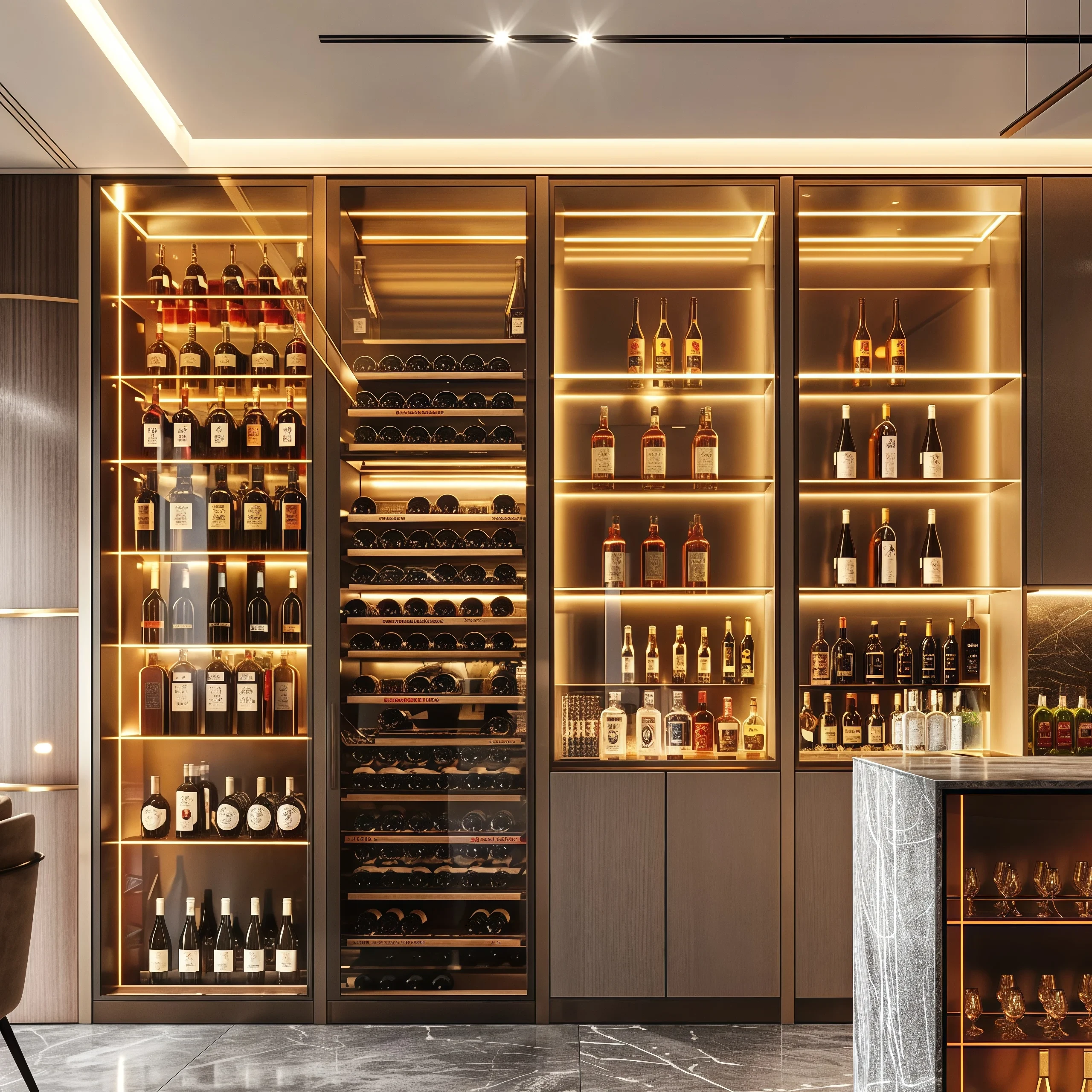
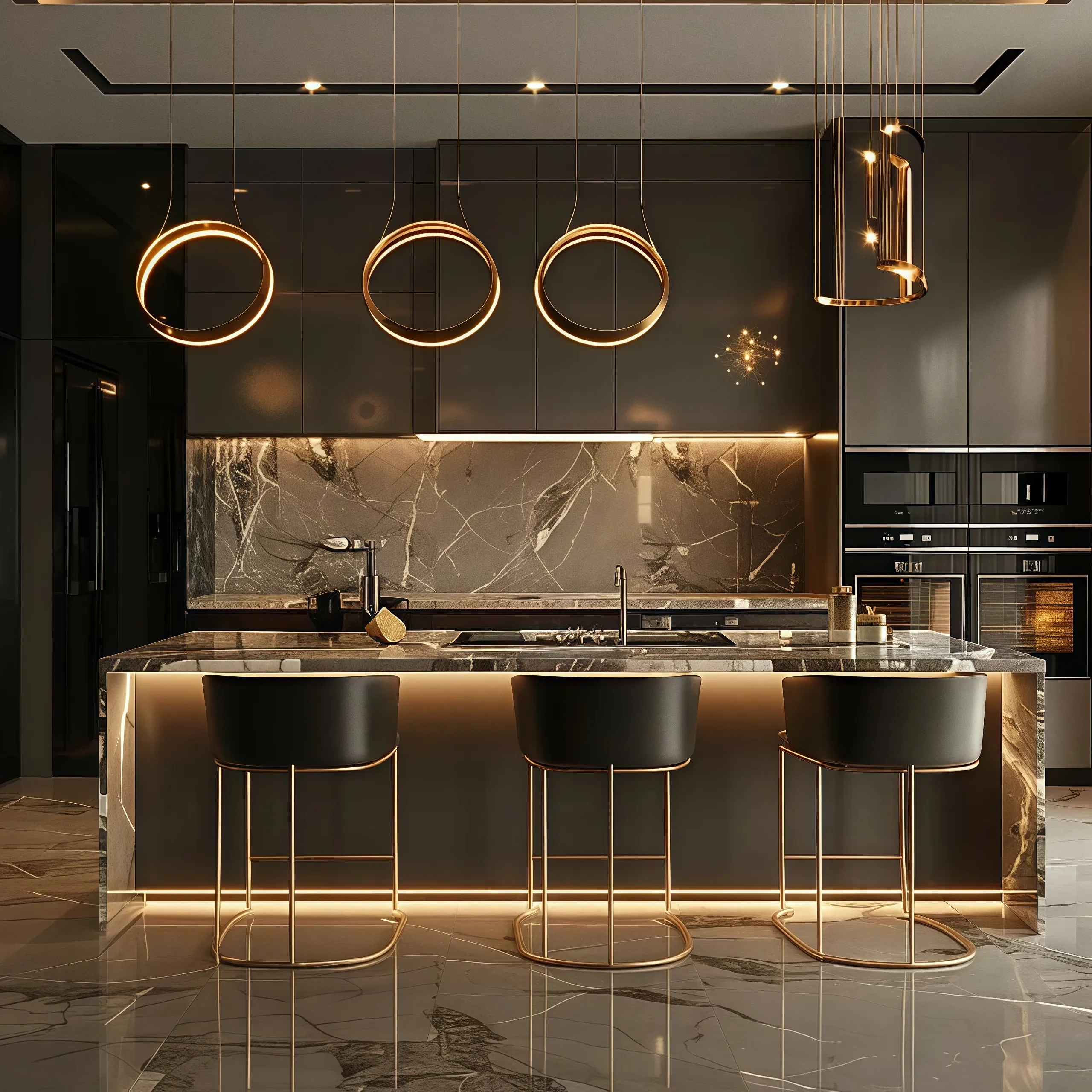
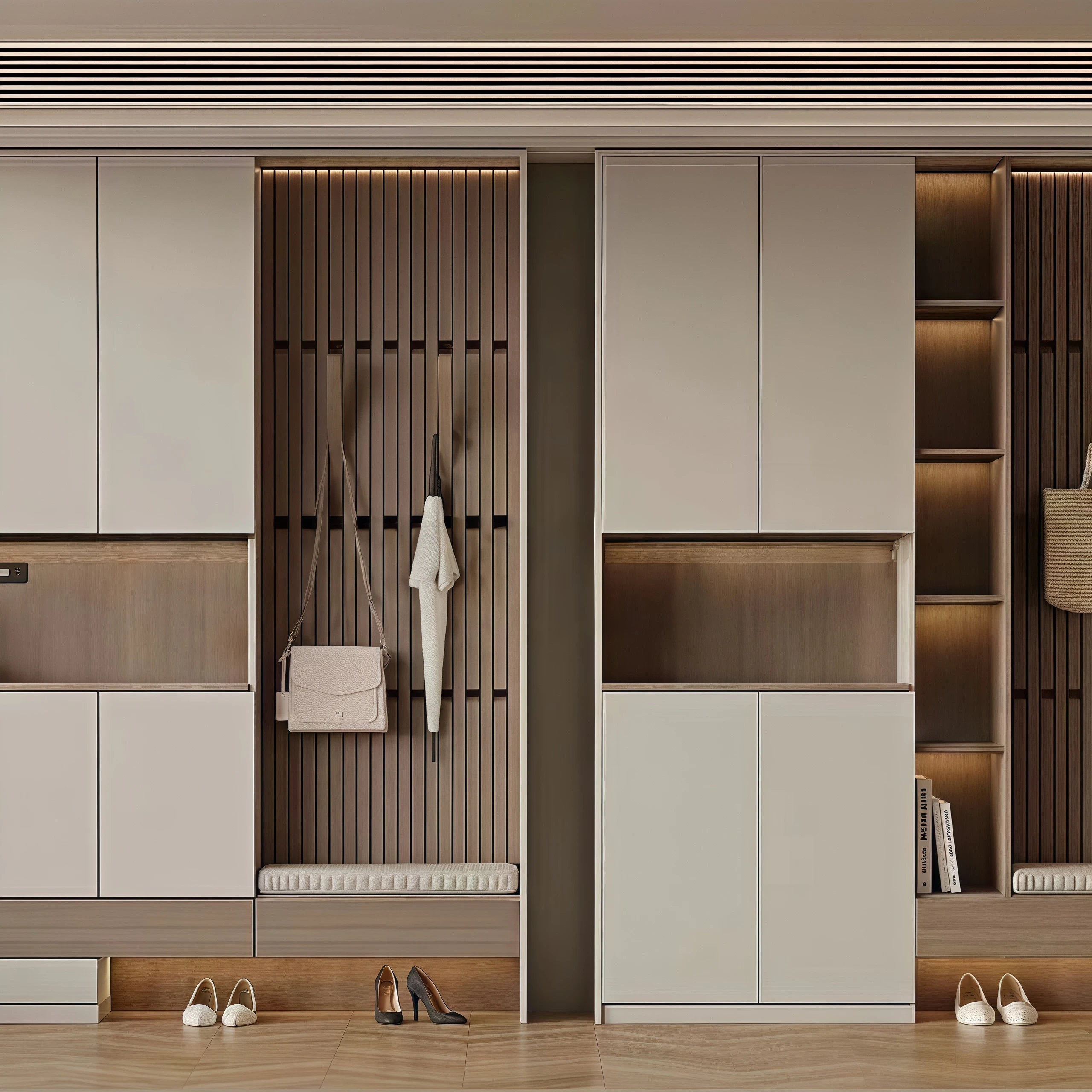
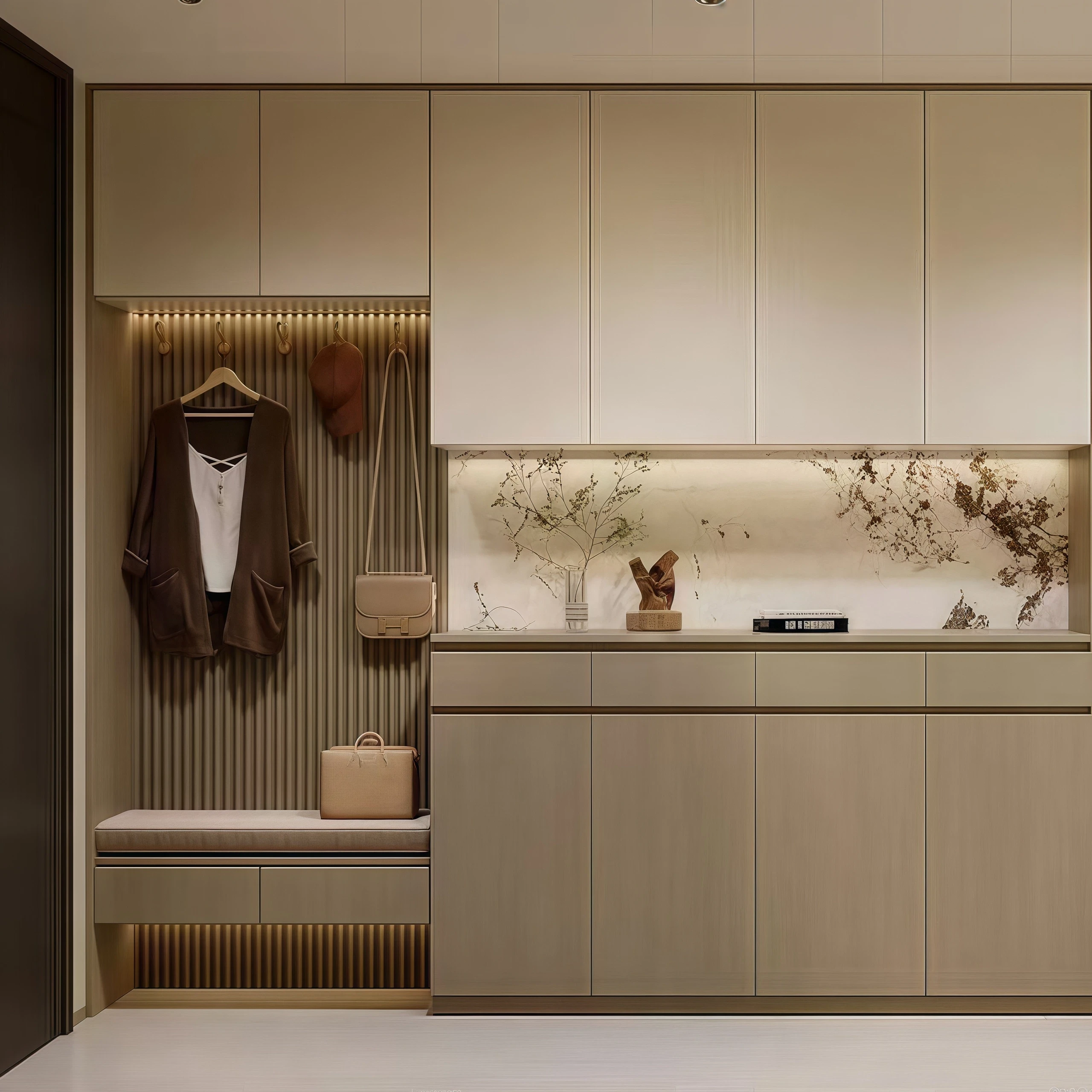
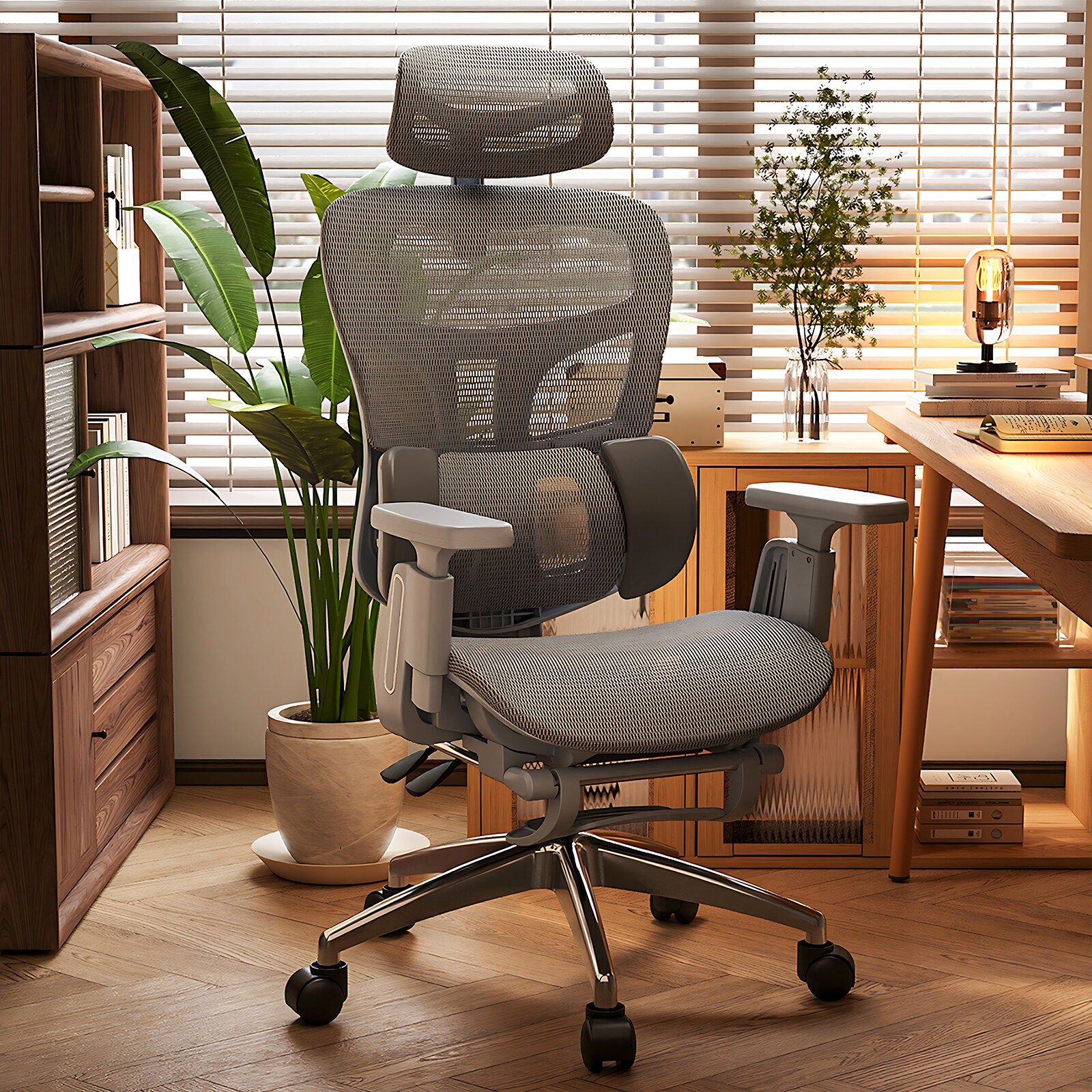
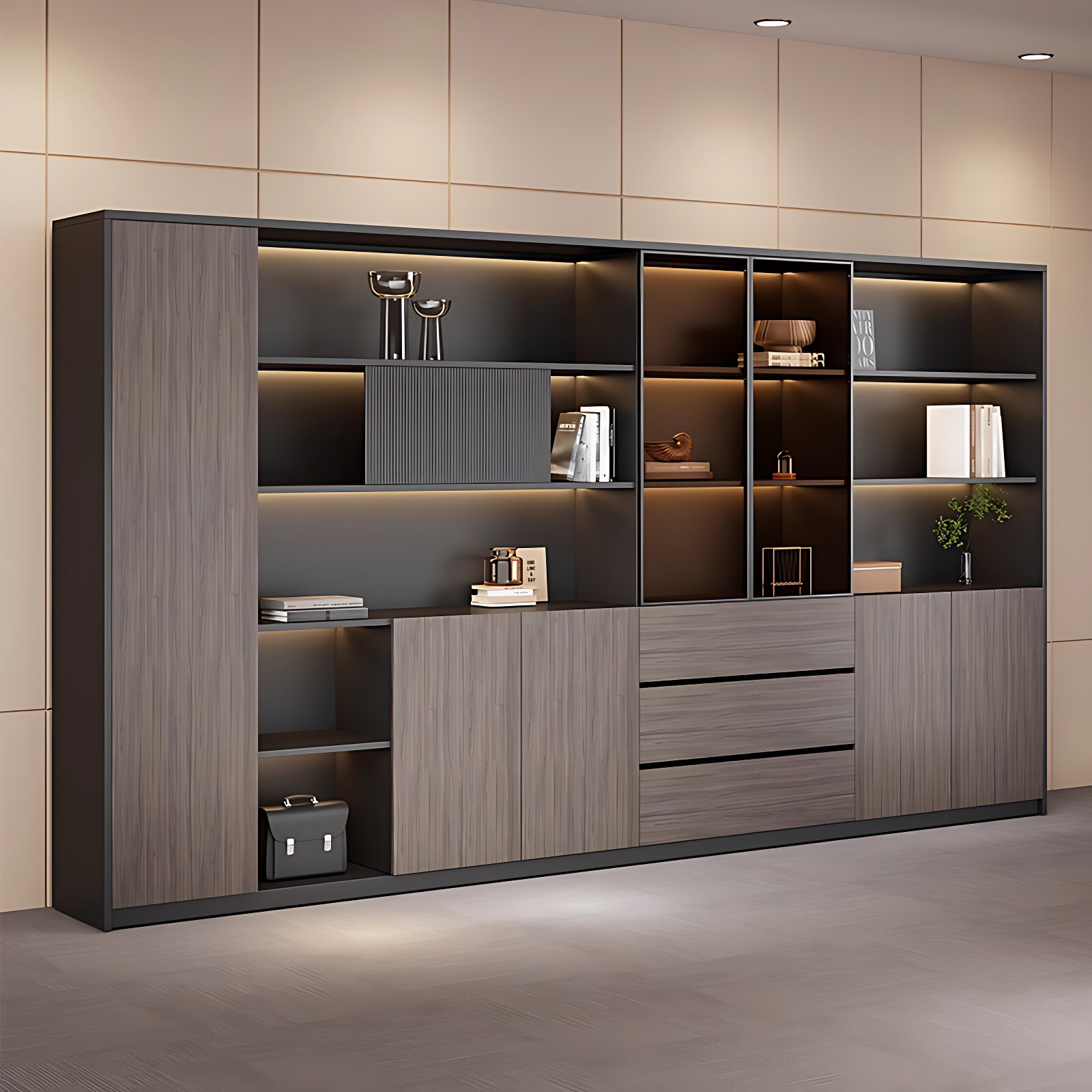


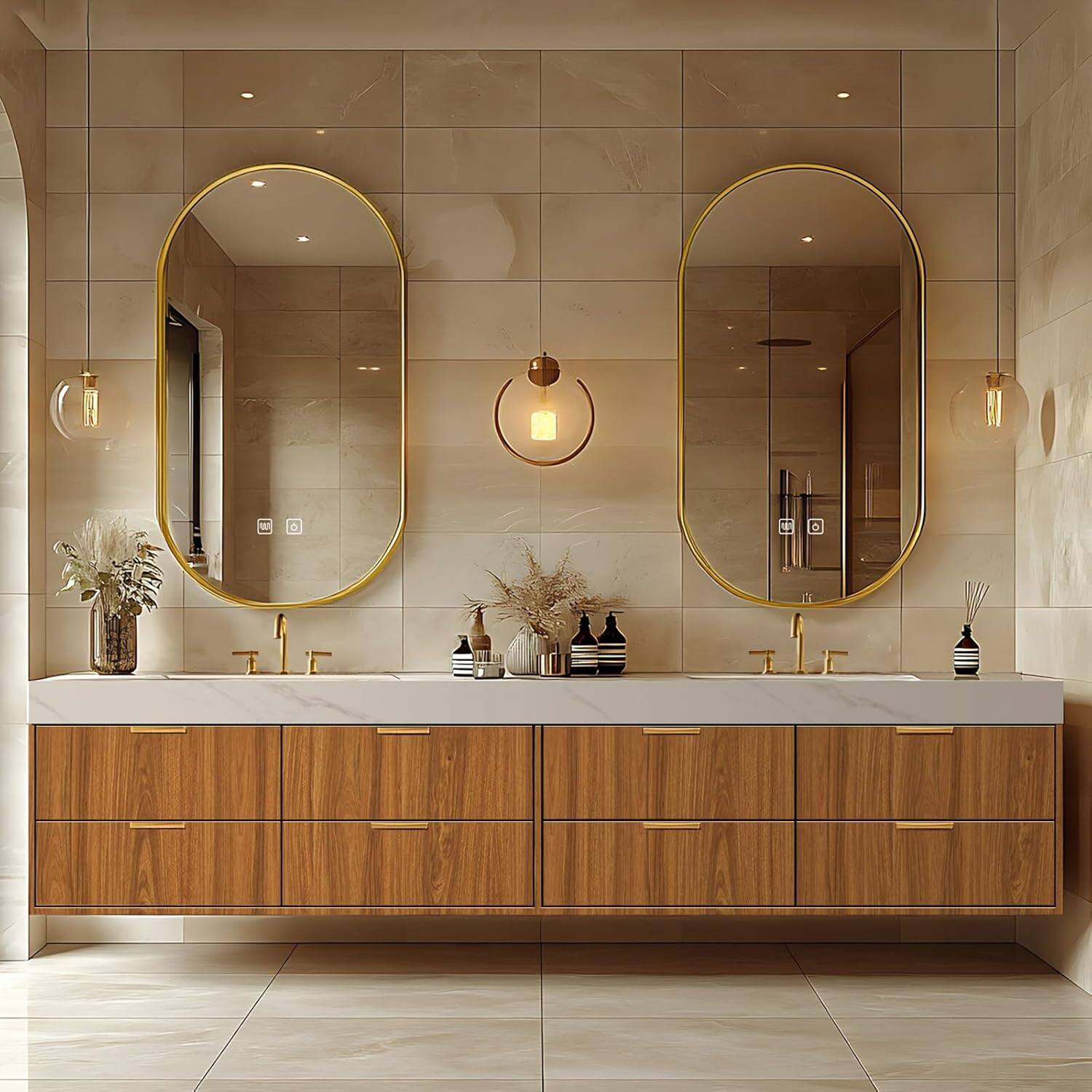
Whether enclosed or open, and whether the layout is Type I, Type II, or even an island, preparing three meals a day requires hours of preparation. A poorly designed kitchen only adds to the workload. Therefore, kitchen design always revolves around two key words: practicality. In the last two issues, we looked at "Kitchen Design Layout" and "Kitchen Door Planning." This time, Zhoubao shares: #GoodKitchen's third episode, Cabinets and Storage.
1. Cabinets
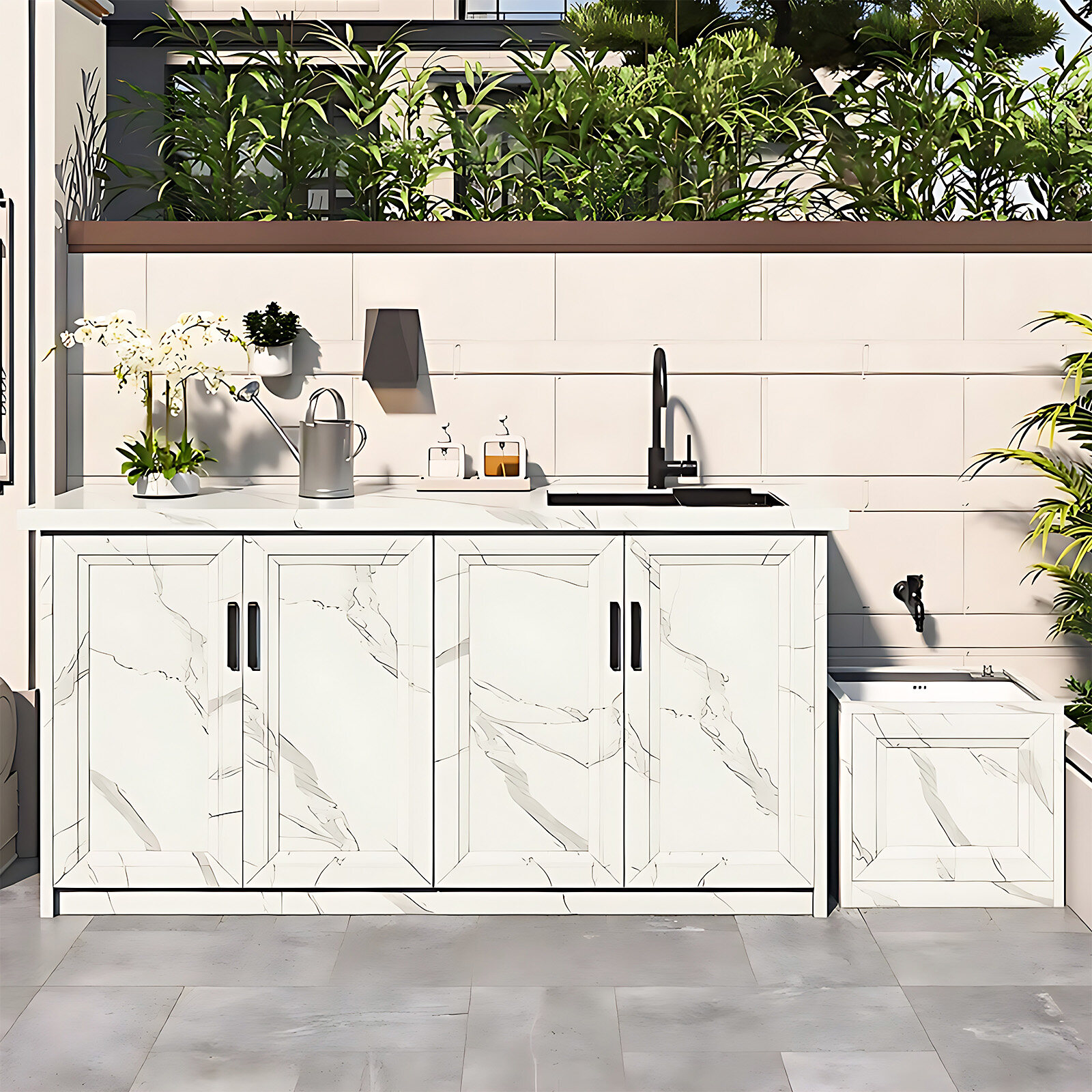
The cabinet is the highlight of kitchen storage. According to its spatial location and size, we can divide it into three parts: countertop, wall cabinet and floor cabinet.
01. The height of the table
The height of the kitchen countertop can be designed according to the user's height and determined by the comfortable height when the user holds the spatula, usually 80cm~90cm. It can be calculated using this formula: comfortable countertop height = user height/2+5cm~10cm.
For example: If the height of the chef is 160cm, then the countertop height = 160 ÷ 2 + 5~10 = 85cm~90 (cm)
In addition, when determining the height, the size of electrical appliances, such as dishwashers and disinfection cabinets, must also be considered.
02. Depth and height of wall cabinets
Wall cabinets are located above the kitchen cabinets and are used to expand the storage space above the kitchen.
The height of wall cabinets should be 50cm-60cm, and the depth should be 30cm-45cm. The distance between cabinets should not exceed 70cm.
The height of the cabinets and wall cabinets is 145cm~150cm from the ground, which is suitable for the height of most cooks. You can open the cabinets and take out utensils without standing on tiptoe.
The best distance between the cabinet and the worktop is 60cm. This distance refers to the distance from the worktop to the bottom of the cabinet, so that there is enough space to place some tableware or small kitchen appliances.
03. Floor cabinet interior design
Floor cabinets, also known as lower cabinets, serve to support countertops and provide storage space.
The kitchen countertop is the root of the storage problem. If you want to have a "countertop free of objects" and increase space for cooking, you can use a drawer + pull-out basket design.
The height of the floor cabinet = height/2. According to ergonomics, 78cm is more suitable, but it is not fixed and needs to be adjusted according to the actual height of the cook.
The width of the floor cabinet is related to the size of the sink. A normal width is the width that can accommodate the largest sink. For household sinks (vegetable sinks), the maximum width is 47cm to 88cm. For cabinets, a width of around 60cm to 65cm is more suitable and aesthetically pleasing.
2. Storage
01. Wall expansion and flat storage
The wall is a multifunctional storage area. You can install hanging rods on the wall. You can choose longer or shorter ones, or you can install two rows to hang pots, spatulas, soup spoons, etc.
In addition, it is also applicable to install partitions. Build two layers along the wall, which is suitable for storing bowls, dishes, bottles, pots, etc.
02. Cabinet embedded storage
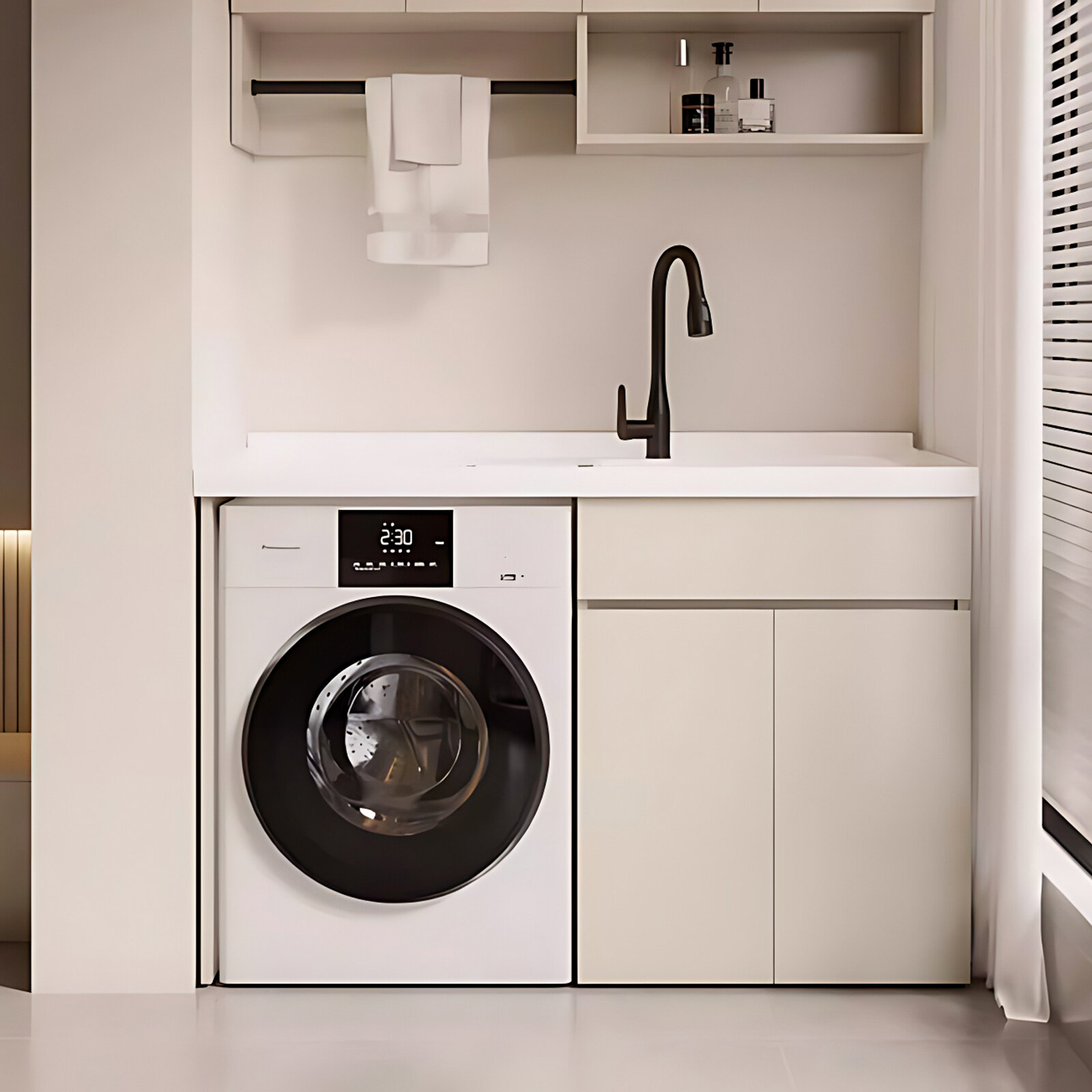
The built-in, multi-door design can place kitchen appliances such as ovens and dishwashers in an orderly manner. The reasonable division of functional areas greatly simplifies the operation process, making the cooking process faster and more convenient.
03. Use corners wisely
Corners are often overlooked. If you want to make good use of the space here, you only need to do some simple planning, such as making rotating display racks, retractable racks, shelves, and slotted drawers, so that you can store items neatly here.
Okay, that’s all for today’s sharing. See you next time!